

 GMA Brandtalk
 Tracking
 Archives

ADVERTISEMENT
Filtered By: Lifestyle
Lifestyle
Vaginal discharges: Should women worry?
+
Make this your preferred source to get more updates from this publisher on Google.
Women Talk
Andrea, a 25-year-old call center agent, came to see me at the clinic because of itchiness in the vulva. She also noticed whitish, curd-like discharges which looked like cottage cheese. The itchiness was unbearable, she said, and she could not help but scratch the affected area. She noticed the problem after finishing her one-week regimen of antibiotics for an upper respiratory tract infection.
Fungal infections
When I examined her, the vulvar and labial areas were very red and excoriated, and within the vagina were thick, cheese-like discharges. I told her she had an infection called Candidiasis, which was usually caused by the fungus Candida albicans.
The candida species are usually present in the vagina, and co-exist harmoniously with the other cells there, including the protective lactobacilli. This equilibrium though, could be disturbed when the body is affected by hormonal changes (as in pregnancy, and pre-or post-menstruation), intake of antibiotics (even the protective bacteria are destroyed, rendering the vaginal lining sterile and vulnerable), or during immune suppression (sickness, or systemic infection).
Oftentimes, a candida infection is also the first sign of diabetes, so do not be surprised if your doctor will ask you about a family history of diabetes. Or, especially if you are on the obese side, to have your blood sugar checked.
Your doctor, too, might also treat your partner, because candida infection can be transferred between sexual partners. Not treating the partner will mean a recurrence of the infection. However, there are many cases when even sexually inactive women could get the infection as well.
Genital infections
Infections in the lower genital tract (the vulva, the vagina, and the cervix) may also cause vaginal discharges. The two common culprits are Trichomonas vaginalis, a protozoa, and Bacterial vaginosis, an anaerobic bacteria.
Trichomonas is a highly contagious sexually transmitted disease. The vaginal discharge is often profuse and frothy in shades of white, gray, yellow, or green. The usual complaint of patients (and their sexual partners) is the foul odor. It is best to seek consultation to confirm the diagnosis, and subsequent treatment of both partners. Sometimes a Pap’s smear result can come back with a finding of Trichomonas vaginalis. A definitive diagnosis of the infection can be made by wet smears seen under the microscope. The male partner may be asymptomatic, but treatment for him is imperative.
Bacterial vaginosis, on the o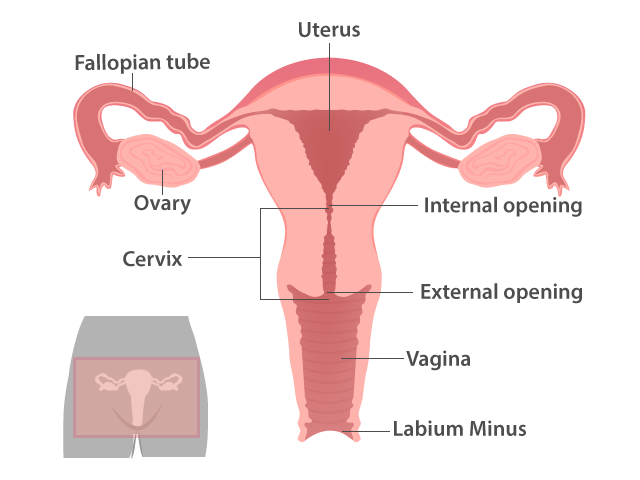 ther hand, may or may not be sexually transmitted. Like the Candida fungus, the anaerobic bacteria reside quietly in the vagina. But when the vaginal milieu changes, these bacteria proliferate and produce vaginitis with thin, gray discharges that have a musty or fishy odor. The smell is especially intensified after sexual contact, when the alkaline semen results in the release of aromatic amines, producing the fishy odor.
Serious infections
Infections though are usually of the mixed type, involving more than one causative organism. The rule of thumb: when there is itchiness or irritation in the vulva, and the vaginal discharges have become foul-smelling, it is time to consult your gynecologist.
Infections of the upper genital tract (uterus, fallopian tubes) called PID or pelvic inflammatory disease are of a more serious kind. Chlamydial or gonorrheal infections of the pelvic organs can also produce vaginal discharges, but these are usually accompanied by abdominal pain, and other systemic symptoms like fever.
If the infection is severe, hospital admission might be needed so intravenous antibiotics could be started. Infection of this type includes inflammation of the fallopian tubes (salpingitis), and the lining of the uterus (endometritis). In severe forms, a tubo-ovarian abscess (a large, pus-filled mass involving the tube and the ovaries) might warrant surgery.
At times, advanced cervical cancers can also cause vaginal discharges, and these are extremely foul-smelling because of the necrotic cervical tissues.
Normal discharges
There are vaginal discharges, however, that are normal.
During the menstrual cycle, there will be times when the cervical glands are active, and they could secrete clear, mucoid discharges. This is usually seen around and during ovulation, and the clear, thin and stretchy mucus is the body’s way of increasing the chances of a pregnancy. When sexual intercourse occurs, the sperm will swim up easily if the mucus is thin and stretchy, and its journey into the uterine cavity will be facilitated.
Conversely, if the cervical mucus is thick and even forms a plug, this effectively bars the way of the sperm to reach its target, the ovum. Thick cervical mucus formation is one of the ways oral contraceptives help prevent pregnancy, aside from producing what are called anovulatory cycles.
Thus, it is best to look at the calendar and see the timing of your discharge. These discharges, although sometimes copious and uncomfortable, are not itchy, nor do they smell foul or fishy.
During menopause too, the vaginal lining becomes thinner because of lack of estrogen, so vaginal discharges might also be observed. These women are prone to vaginal infections.
Douches? Don't
And what about the proliferation of so many intimate, feminine washing solutions in the market?
The best armament for washing is water. In conjunction with the medications that the doctor prescribes, water is still the best wash there is.
If, however, you want to use the commercially-prepared washes, make sure that you dilute them first with water. After lathering, rinse them off very well, as these contain chemicals and perfumes that might even increase skin irritation in an already compromised area.
A note on douching: please don’t. The normal, healthy vagina contains many helpful bacteria that keep the vagina’s normal acidity, which is protective. Douching, especially with the use of harsh ingredients, will simply make the vagina vulnerable and fragile, leaving it without a protective mechanism.
The body knows how to protect itself. Interfere with this, and you will simply cause more harm: more infection, irritation. Soap, even baby soap, is not for the vulva or for douching either. At times I tell my patients they shouldn’t wash too often; there is such a thing as being “too clean,” in vulvar hygiene.
At times, the doctor will give you vaginal suppositories for a week, to be inserted at bedtime. It would be best not to have sexual activities for a week or two while you are on these suppositories, to allow the tablets to dissolve in the vagina undisturbed, and also for the infection (in you and your partner) to subside. – YA, GMA News
Dr. Alice M. Sun-Cua is an author and practicing obstetrician-gynecologist at the San Juan de Dios Hospital in Pasay City.
Andrea, a 25-year-old call center agent, came to see me at the clinic because of itchiness in the vulva. She also noticed whitish, curd-like discharges which looked like cottage cheese. The itchiness was unbearable, she said, and she could not help but scratch the affected area. She noticed the problem after finishing her one-week regimen of antibiotics for an upper respiratory tract infection.
Fungal infections
When I examined her, the vulvar and labial areas were very red and excoriated, and within the vagina were thick, cheese-like discharges. I told her she had an infection called Candidiasis, which was usually caused by the fungus Candida albicans.
The candida species are usually present in the vagina, and co-exist harmoniously with the other cells there, including the protective lactobacilli. This equilibrium though, could be disturbed when the body is affected by hormonal changes (as in pregnancy, and pre-or post-menstruation), intake of antibiotics (even the protective bacteria are destroyed, rendering the vaginal lining sterile and vulnerable), or during immune suppression (sickness, or systemic infection).
Oftentimes, a candida infection is also the first sign of diabetes, so do not be surprised if your doctor will ask you about a family history of diabetes. Or, especially if you are on the obese side, to have your blood sugar checked.
Your doctor, too, might also treat your partner, because candida infection can be transferred between sexual partners. Not treating the partner will mean a recurrence of the infection. However, there are many cases when even sexually inactive women could get the infection as well.
Genital infections
Infections in the lower genital tract (the vulva, the vagina, and the cervix) may also cause vaginal discharges. The two common culprits are Trichomonas vaginalis, a protozoa, and Bacterial vaginosis, an anaerobic bacteria.
Trichomonas is a highly contagious sexually transmitted disease. The vaginal discharge is often profuse and frothy in shades of white, gray, yellow, or green. The usual complaint of patients (and their sexual partners) is the foul odor. It is best to seek consultation to confirm the diagnosis, and subsequent treatment of both partners. Sometimes a Pap’s smear result can come back with a finding of Trichomonas vaginalis. A definitive diagnosis of the infection can be made by wet smears seen under the microscope. The male partner may be asymptomatic, but treatment for him is imperative.
Bacterial vaginosis, on the o
ther hand, may or may not be sexually transmitted. Like the Candida fungus, the anaerobic bacteria reside quietly in the vagina. But when the vaginal milieu changes, these bacteria proliferate and produce vaginitis with thin, gray discharges that have a musty or fishy odor. The smell is especially intensified after sexual contact, when the alkaline semen results in the release of aromatic amines, producing the fishy odor.Serious infections
Infections though are usually of the mixed type, involving more than one causative organism. The rule of thumb: when there is itchiness or irritation in the vulva, and the vaginal discharges have become foul-smelling, it is time to consult your gynecologist.
Infections of the upper genital tract (uterus, fallopian tubes) called PID or pelvic inflammatory disease are of a more serious kind. Chlamydial or gonorrheal infections of the pelvic organs can also produce vaginal discharges, but these are usually accompanied by abdominal pain, and other systemic symptoms like fever.
If the infection is severe, hospital admission might be needed so intravenous antibiotics could be started. Infection of this type includes inflammation of the fallopian tubes (salpingitis), and the lining of the uterus (endometritis). In severe forms, a tubo-ovarian abscess (a large, pus-filled mass involving the tube and the ovaries) might warrant surgery.
At times, advanced cervical cancers can also cause vaginal discharges, and these are extremely foul-smelling because of the necrotic cervical tissues.
Normal discharges
There are vaginal discharges, however, that are normal.
During the menstrual cycle, there will be times when the cervical glands are active, and they could secrete clear, mucoid discharges. This is usually seen around and during ovulation, and the clear, thin and stretchy mucus is the body’s way of increasing the chances of a pregnancy. When sexual intercourse occurs, the sperm will swim up easily if the mucus is thin and stretchy, and its journey into the uterine cavity will be facilitated.
Conversely, if the cervical mucus is thick and even forms a plug, this effectively bars the way of the sperm to reach its target, the ovum. Thick cervical mucus formation is one of the ways oral contraceptives help prevent pregnancy, aside from producing what are called anovulatory cycles.
Thus, it is best to look at the calendar and see the timing of your discharge. These discharges, although sometimes copious and uncomfortable, are not itchy, nor do they smell foul or fishy.
During menopause too, the vaginal lining becomes thinner because of lack of estrogen, so vaginal discharges might also be observed. These women are prone to vaginal infections.
Douches? Don't
And what about the proliferation of so many intimate, feminine washing solutions in the market?
The best armament for washing is water. In conjunction with the medications that the doctor prescribes, water is still the best wash there is.
If, however, you want to use the commercially-prepared washes, make sure that you dilute them first with water. After lathering, rinse them off very well, as these contain chemicals and perfumes that might even increase skin irritation in an already compromised area.
A note on douching: please don’t. The normal, healthy vagina contains many helpful bacteria that keep the vagina’s normal acidity, which is protective. Douching, especially with the use of harsh ingredients, will simply make the vagina vulnerable and fragile, leaving it without a protective mechanism.
The body knows how to protect itself. Interfere with this, and you will simply cause more harm: more infection, irritation. Soap, even baby soap, is not for the vulva or for douching either. At times I tell my patients they shouldn’t wash too often; there is such a thing as being “too clean,” in vulvar hygiene.
At times, the doctor will give you vaginal suppositories for a week, to be inserted at bedtime. It would be best not to have sexual activities for a week or two while you are on these suppositories, to allow the tablets to dissolve in the vagina undisturbed, and also for the infection (in you and your partner) to subside. – YA, GMA News
Dr. Alice M. Sun-Cua is an author and practicing obstetrician-gynecologist at the San Juan de Dios Hospital in Pasay City.

