

 GMA Brandtalk
 Tracking
 Archives

RPRH Law gets failing grade in addressing PWD needs
The United Nations Population Fund (UNFPA) on Wednesday released the State of World Population 2018 report, which placed the Philippines at an alarming position compared to its ASEAN neighbors.
The report recommended for the improvement of health services in terms of providing "meaningful choice of contraceptives and fully educate women and men on these options" and added that service providers must empower all of their clients, "including among adolescents, unmarried people, people with disabilities (PWDs), and others for whom social norms continue to dictate stigma and discrimination."
National Council on Disability Affairs Officer-in-Charge Carmen Zubiaga during the launch of the report said that the Philippine government and the health providers in the country have failed differently-abled Filipinos.
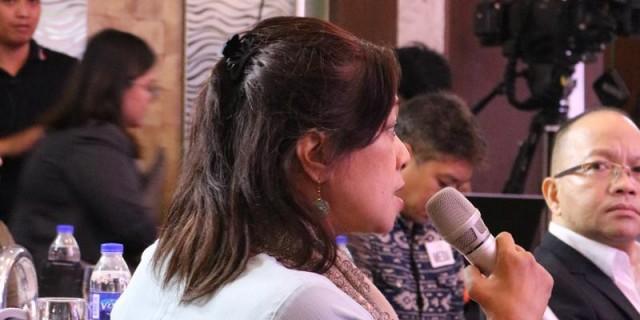
"Information pa lang, which is very important — knowing your rights and accessing services — bagsak na. Even in reaching out to those with unmet needs... as if they don't have idea, 'yong mga implementors ng RPRH, kung sino 'yong left behind," Zubiaga told GMA News Online.
Zubiaga said that the unmet needs of PWDs goes beyond access to family planning. Many PWDs aren't being included in the educational component of the law and are left clueless about their reproductive health and, in some cases, the meaning of sexual interactions.
Currently, Zubiaga said that there are no materials available for the deaf or blind to learn about sexual health, which puts them at greater risk of being abused and assaulted.
Zubiaga expressed further dismay in the government's lack of proper understanding that there are many types of disabilities. "They have to know who the person are with disabilities and address their concerns," she said.
Discussions on RPRH Law have been dominated by the topic of contraceptives, but a pertinent part of reproductive health is education. Zubiaga stressed that PWDs must also learn about their body and be equipped to protect themselves so they can have healthy relationships.
This is something that every young Filipino can learn at home and in school. Zubiaga said that it would not be difficult to integrate PWDs and add their voice to the conversation.
"Inclusive education. There is no need for segregation. We just need professionals to address and support the needs of persons with disability. They can attend regular classrooms. They do not need to modify the curriculum, but they have to modify the delivery of learning." — LA, GMA News

