

 GMA Brandtalk
 Tracking
 Archives

7 decluttering tips from the first KonMari-certified Filipino
Since the New Year, our social media feed has been bursting with talk about Marie Kondo and the exercise of decluttering.
The Japanese organizing consultant has created and popularized the KonMari Method, inspiring people around the world to simplify their lives and let go of the things that no longer "spark joy."
Reading her book or watching her Netflix show is enough to trigger a major cleaning session for most, but for those who may need a wee bit more help, allow us to introduce Christine Dychiao, the first KonMari certified Filipino.
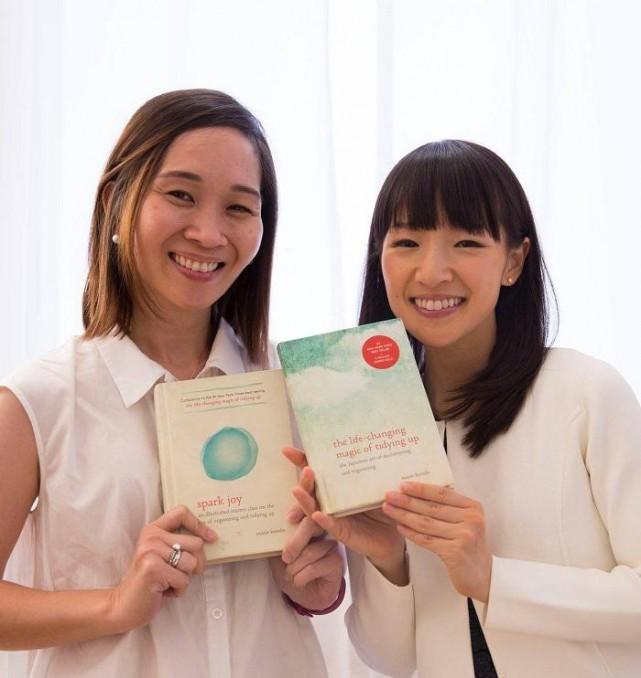
She was triggered in 2014 after she felt “up to my neck with the amount of stuff we owned collectively. While our living and dining rooms presented a pristine and clutter-free appearance to visiting friends, our rooms upstairs were just bursting at the seams.”
She read the book, let it sink in for a month, and then Christine dived right into it. "I was initially unwilling to let go of perfectly usable things, [until] I discovered that as I cleared the clutter to create more space in our rooms, I felt a greater sense of calm and order. I found myself freely letting go of the things that did not bring me joy.”
From simply being an avid KonMari Method advocate, Christine became the first Filipino KonMari consultant to get certified.
“I’m honored to be the first. I feel the responsibility of making sure that the principles of KonMari are understood here... I want to help educate Filipinos about this philosophy and hopefully pave the way for more consultants. It’s really a mind-set and method that will benefit a lot of households here in our country.”
Since her certification, the KonMari consultant has tidied up over a dozen Philippine homes. Christine reveals the biggest cause of disorder in Philippine households, saying, “Sentimental items are a common clutter issue, especially among the older generation. They really hold on to a lot of things, like souvenirs from birthdays/debuts/weddings, their travels, and even their childhood (photographs, letters, medals, trophies, and certificates). Add to this heirloom pieces like furniture, plates, and cutlery from their parents/grandparents who were also unwilling to let go of their own belongings, these really add up.”
With the KonMari Method in mind, Christine gives us seven decluttering tips.
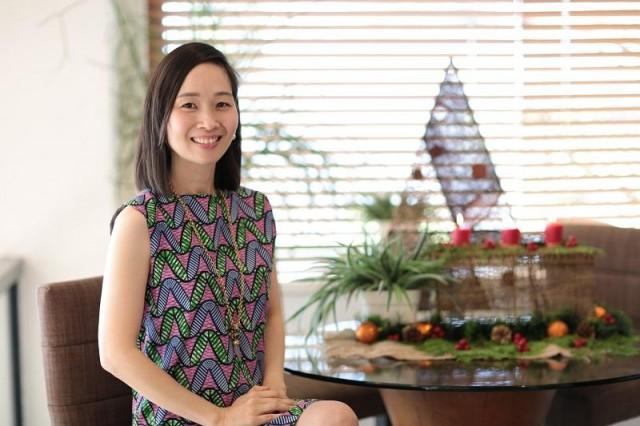
1. Do not send sentimental items to be stored in your parents’ home
According to Christine, by sending our keepsakes and mementos from our youth, we are keeping our parents from enjoying their homes. And even if they are fine with it, having out stuff has an impact on our parents' mental health and emotional well-being subconsciously.
“A lot of us burden our parents by sending keepsakes and mementos from our youth to our parents to be stored in their homes. Instead of allowing them to enjoy their own space in their old age, we are keeping them from enjoying their homes. The reality is that these boxes sent to them will not be opened again. Instead, we should just come to terms with our past and deal with these once and for all.”
2. Follow the KonMari order: clothes, books, paper, miscellaneous, sentimentals
If we start with the sentimental items, we'll never be able to successfully declutter and only finish off our time reminiscing on the floor, possibly bawling. According to Christine, “Clothes are the easiest things to decide on, and as we go through the other categories, we hone our sensitivity to joy. So by the time we get to sentimentals, it is so much easier for us to tackle these."
But “if we go straight to sentimentals, we’d be spending all our time looking through each item and reminiscing [or even] shedding tears over a long-lost-and-now-found letter from a loved one. You’d never find the energy to declutter if you start off this way.”
3. With all the items, ask yourself, “Does this spark joy?”
If you cringe reading an old diary, why keep it? Why keep that stuffed toy from an old boyfriend who cheated on you?
“Keep what brings back good memories. If the idea of others seeing your diary makes you uncomfortable, a photo or object brings back bad memories, or you don’t like an item that once belonged to your grandma but are keeping out of guilt, then what’s the point of keeping them? Why hang on to the past, especially if it does not bring joy? Why bring the past into your future? Marie Kondo says, ‘The space in which we live should be for the person we are becoming now, not for the person we were in the past.’”
4. Thank each item
“Even if an item brings back not-so-pleasant flashbacks, thank them. More so if the item was a cherished part of your youth. They helped you become the person you are now.”
Christine shares a story about one of her clients, a doula who used to be a professional dancer and was working towards her certification to become a clinical aromatherapist. “[My client] loved being a dancer but that chapter of her life was over. As we went through her [old ballet gear], she would wistfully share anecdotes of her life as a dance teacher. It was evident that the items brought back happy memories of her teenage and early adult years, but she also realized that they were no longer necessary in the present and well into her future career. She thanked them and set them aside to be donated to a dance school that supported scholars.”
5. Keep items in a way that lets you enjoy them whenever you want
She narrates, “What my client kept from her days as a professional dancer was a troupe jacket that she could wear during chilly hospital stays, as a doula supporting her clients during childbirth. It was a nod to her past, a practical piece she can wear in the present, and a future keepsake as she went on to become a certified clinical aromatherapist a few months after we finished tidying.”
6. You have to be ready
Christine has experienced many joyful client encounters, but has also come across some people who weren’t truly mentally or emotionally ready to part with their things. The consultant says, “I understand that tidying is a very personal, almost spiritual process, and it makes a lot of people nervous. I’ve had clients cancel and ask to reschedule our first appointed meeting because they [got] cold feet. I find that when somebody isn’t ready, they will really never go through it even if they say they want to. Whereas people who commit to tidying, no matter the initial hesitation, have no trouble letting go once we begin the process.”
7. Know the difference between cleaning and tidying up
Christine notes there is a difference between the two: "Tidying is more about how we relate to our belongings versus cleaning, which is an act of wiping, washing, and drying. As Marie Kondo puts it, ‘Tidying up means confronting yourself; cleaning means confronting nature.’ Nature being dust, debris, molds, and dirt.”
According to Christine, "Clutter is more a reflection of our inner state, hence the need to confront ourselves through the medium of our belongings. That said, there is no such thing as too much tidying up because we all have our own ‘click points.’ Once we reach that and find our equilibrium, we end there. It’s all just maintenance from hereon."
Christine explains it's not about throwing your things away. "It’s really all about what brings us joy, freeing ourselves from the burdens of the past and taking only what we want into the future. KonMari is for everyone as long as you decide it is for you." — LA, GMA News
For more tips, visit @sparkjoy.ph, follow the Instagram account, or join the support group on Facebook.

