

 GMA Brandtalk
 Tracking
 Archives

The dirty truth about everyday items
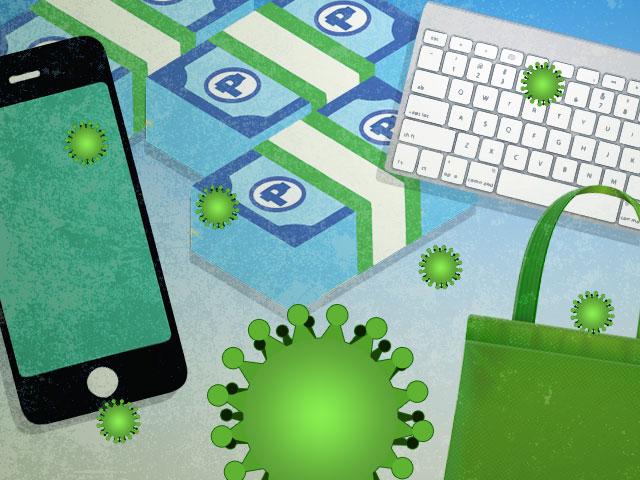
It’s only natural that gunk and toilet dirt will gross you out, but did you know that some of your favorite things could be just as dirty? Seemingly harmless objects you handle on a daily basis are teeming with disease-causing germs and bacteria which may be harmful for you and your family’s health.
Fungi, yeast, coliform, and E-coli, to name a few, may not be visible to the naked eye but these can be easily picked up, thanks to your bare hand. Below are everyday items that unsurprisingly harbor microbes that could make people sick.
Mobile phones are yuckier than the loo
The first and last thing people hold in a day is their mobile phone. As of 2019, there are 124.2 million mobile subscriptions in the Philippines, indicating that there are more mobile phones than the population in the country. Filipinos have been found to use the device for an average of 10 hours a day. In the process, mobile phones are brought to the toilet, tucked in the pocket and placed on any surface. A study by Charles Gerba, a University of Arizona microbiologist, revealed that a mobile phone carries about 25,000 bacteria per square inch, making it 10 times dirtier than toilet seats. To avoid spreading the bacteria or viruses, it is recommended to clean your mobile phones often. Use a soft cloth soaked in 60% water and 40% alcohol to wipe away the dirt and germs.
Money is notoriously dirty
Bills and coins in your wallets are huge collectors of microbes. This is hardly surprising since cash is exchanged from different hands every day. What could be alarming is the thought that it may have come into contact with people who have skin diseases, bacterial infections or viruses. A 2017 study found that bank notes in New York City “have hundreds of species of microorganisms.” Among those identified were microbes from the mouth, and those that can cause acne. While there is no proper way to clean money, keeping it stored in a coin purse or wallet can help reduce the spread of harmful germs. It also pays to bring a handy cleaning solution like Hygienix Hand Spray or Hand Gel. That way, you can always disinfect your hands every time you come into contact with money.
Keyboards tap all sorts of germ types
Most people want to be comfortable working on their computers. Some bring bags of chips or cookies to nibble on while typing at their desk. These habits, inevitably, will make the keys sticky and gunky. Crumbs that get stuck in between keys invite not just the bugs but also mice; and the build-up can be a breeding ground for germs such as E-Coli. Infections and illness can be prevented if keyboards are cleaned once a week or every after snacking ‘al desko.’ Give your keyboard a gentle shake to loosen trapped particles. Use a computer vacuum or an air duster to get rid of remaining debris. A cotton swab and alcohol can help clean keyboard’s tight spaces. Swipe clean the keyboard with a disinfectant solution.
It’s all in the bag
Totes are items most people cannot leave home without—but like it or not, the bag you hold is a germ carrier. It has a person’s belongings and goes where the owner goes. According to Gerba, “a third of women’s purses are contaminated with fecal bacteria.” He also noted that synthetic bags “showed a higher prevalence of bacterial contamination.” The best recourse is to avoid placing the bags on restroom floors. Use the door hooks or bring your own bag hooks. Clean and disinfect not just the exterior part of the bag but also the interior.
Green bags can be an environment for germs
One of the less obvious germ carriers is an eco-bag. While going green is good for the environment, reusable bags bring home millions of sickness-causing bacteria like E.Coli and salmonella when not regularly washed. A research study revealed that germs found in green bags are significant enough to cause serious health risk especially for young children. It is recommended to use washable cloth bags. Bleach or clean the bags after every use to avoid contamination. Wrap and separate raw food from other food products before putting these inside the eco-bag. Never use the bag intended for grocery for other purposes.
Disinfecting objects can help make these germ-free. Double your protection by practicing good hygiene. Make it a routine to wash your hands thoroughly. Use an antibacterial soap like Hygienix Germicidal Soap. It eliminates 99.99% of germs and common sickness-inducing bacteria. Its non-drying formula makes it ideal for everyday use.
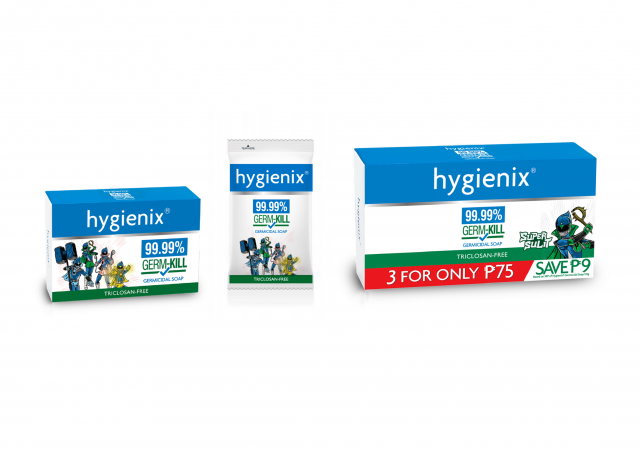
Germs are everywhere. Good thing you can carry your protection even outside your home with other products such as Hygienix Alcohol, Hygienix Gel Sanitizer, and Hygienix Anti-bacterial Hand Spray. Hygienix also has moisturizing properties that keep your skin soft to the touch. For other tips and information, visit the Hygienix Facebook page.

