

 GMA Brandtalk
 Tracking
 Archives

Sebo de Macho, calamansi, and more: Dr. Vicki Belo weighs in on scar remedies Filipinos swear by
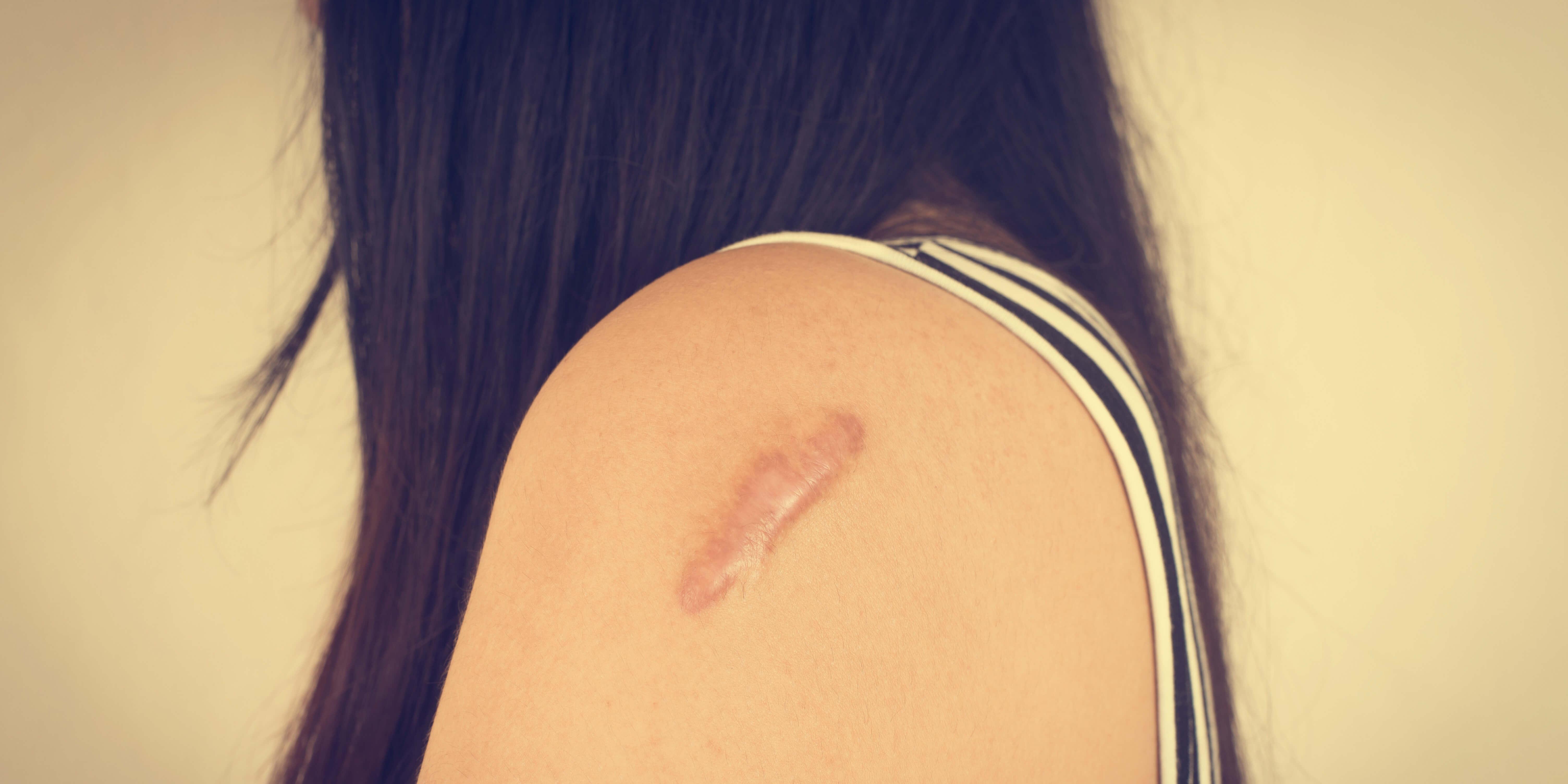
From childhood scrapes to battle scars, Filipinos have long turned to different home remedies for smoother, mark-free skin.
But with the many options and recommendations being passed around, whether through the advice of one's lola or TikTok trends, it can be hard to tell which ones are actually worth the time, effort, and money.
Before diving into the different treatments out there, it is important to understand first what scars are.
In an interview with GMA News Online, Dr. Vicki Belo explained that scars typically form due to trauma.
“If it’s just on the surface of the skin, that’s not really called so much a scar. It’s just a graze. And that will heal well,” she said.
However, the moment an injury penetrates beyond the first layer of skin, the epidermis, and reaches the second layer, the dermis, a scar will likely form.
“And they can be caused by anything. They can be caused by pimples, they can be caused by traumatic incidents, it can be caused by kagat ng aso, I mean there’s so many things. As long as they go deep enough, then the scar will be there,” she said.
More than just finding the right scar treatment, however, Dr. Belo highlighted that preventing infection should always come first.
“Let's save your life first before we save the scars,” she said.
An open wound is a gateway for infection, which can lead to serious complications like septicemia and can even be life-threatening.
“Some people, they think they're so brave. ‘Hindi naman masakit eh.’ It's not about the pain. It's about the infection, the inflammation, what it can do to your whole body. So, the first thing you do is go to an ER. Have them look at it,” she advised.
When to start addressing a scar?
Scar management can truly begin once a wound has been properly cleared of any risk of infection.
According to Dr. Belo, the approach to scar treatment has evolved significantly, highlighting a major shift from her medical school days in 1990, where the practice was to let a scar heal completely before intervening.
Now, armed with new research, her philosophy is to intervene early.
“You intervene before it becomes bigger. So, as long as it's already a little close, it's closed na, then I can start intervening na for it not to become a keloid,” she said. “Kasi the longer something is there, the harder it gets [to address].”
Sebo de Macho, toothpaste, calamansi, silicone scar sheets
In the Philippines, it's not uncommon for some to turn to familiar fixes like Sebo de Macho, a skin moisturizer advertised to reduce the appearance of scars created by wounds at the topmost layer of the skin.
However, Dr. Belo does not recommend this for deep wounds.
“Actually, it's just a lubricant. It's a moisturizer, kind of. I think it's almost like Vaseline or something,” she explained.
While Sebo de Macho might offer some help for minor scratches by acting as a lubricant or moisturizer, it is ineffective for deep scars. Instead, she recommended antibiotic ointments as better options, like Fucidin and Bactroban.
She also took notice of others’ use of toothpaste in hopes of lightening scars.
“None of those things work. And they can irritate and inflame, and even make the scar deeper,” she said.
Dr. Belo is also against the use of calamansi on scars.
“Calamansi will be very bad for your scar. Number one, it's irritating. It's acidic. It can make it black. So, it can make the scar worse. It can even get it more infected. So, please, do not do calamansi. Lalo na sa armpits niyo. Just think of it, it's very acidic,” she said.
Silicone scar sheets have also become a viral recommendation online for those looking to fade marks. These adhesive, tape-like patches are marketed to address different concerns, from wrinkles to different scars like acne marks and even raised scars.
Dr. Belo clarified that the application of silicone scar sheets should be properly timed.
“Silicone tapes should only be used ‘pag sarado na ‘yung scar, ‘pag matagal na ‘yung scar,” she said.
These pads are designed for after the healing process, particularly when a healed scar begins to look “a little hypertrophic, or parang papuntang keloid.”
“If you put it too early, na hindi pa sarado ‘yung scar, nilalagyan mo na ng silicone, hindi na magsasara ‘yan. Mahihirapan na siya. So it’s the wrong move,” she said. “It's not good until the wound is already healed.”
Another popular belief among elderly people is that wounds should be aired out to dry and form a crust or a scab, but Dr. Belo advised the opposite.
“The worst thing you can do is to dry up your scar, so wrong thinking ‘yung ipa-dry up mo, no band-aid, no nothing, let there be crust,” she said.
A hardened crust on a wound acts like a “mountain” or “rock,” hindering the natural healing process where skin cells slide from the sides to close the wound.
“How can the cells close? It can't move,” she explained, leading to a permanent dip where the crust was.
Instead, it is essential to keep the area moist with antibiotics and cover it properly with recommended dressings like Tegaderm, a clear plastic film, which can be bought with gauze for exudating wounds.
“You don't keep opening. It will not change. You leave it for 24 hours, then you take it out. And then you put ointment again and you leave it again. And you will see magically, all the scars will close,” she said.
Dr. Belo commended the way Michelle Dee handled her wound after being accidentally bitten by her pet dog on the face, saying she did the right thing by immediately seeking medical help.
Michelle got the necessary shots and went to her clinic.
According to Dr. Belo, the Sparkle star’s skin was partly peeled off.
“Some other doctors, before, pinuputol nila ‘yun. Tapos, they let the skin heal. What better dressing can you have than your own skin?' she said. "And we just place it there, and we kept it there, so that it can heal properly. And then we'll just do the edges with laser, around the edges of the scar."
The Scar Project
Ahead of Belo Medical Group’s anniversary, the group launched The Scar Project, which aims to offer seven individuals a “second chance at confidence, dignity, and self-love,” believing that true healing is “emotional, empowering, and human.”
Each chosen participant will receive free, expert scar treatment from the Belo Medical Group, along with counseling, support groups, and educational materials, to help them not only heal physically but also regain confidence and hope.
Interested participants may submit their story on the project’s website, and the announcement of the selected individuals will be made in August, coinciding with the group's anniversary.
—CDC, GMA Integrated News

