

 GMA Brandtalk
 Tracking
 Archives

How do we support people grieving loved ones lost to mental health struggles? Expert explains
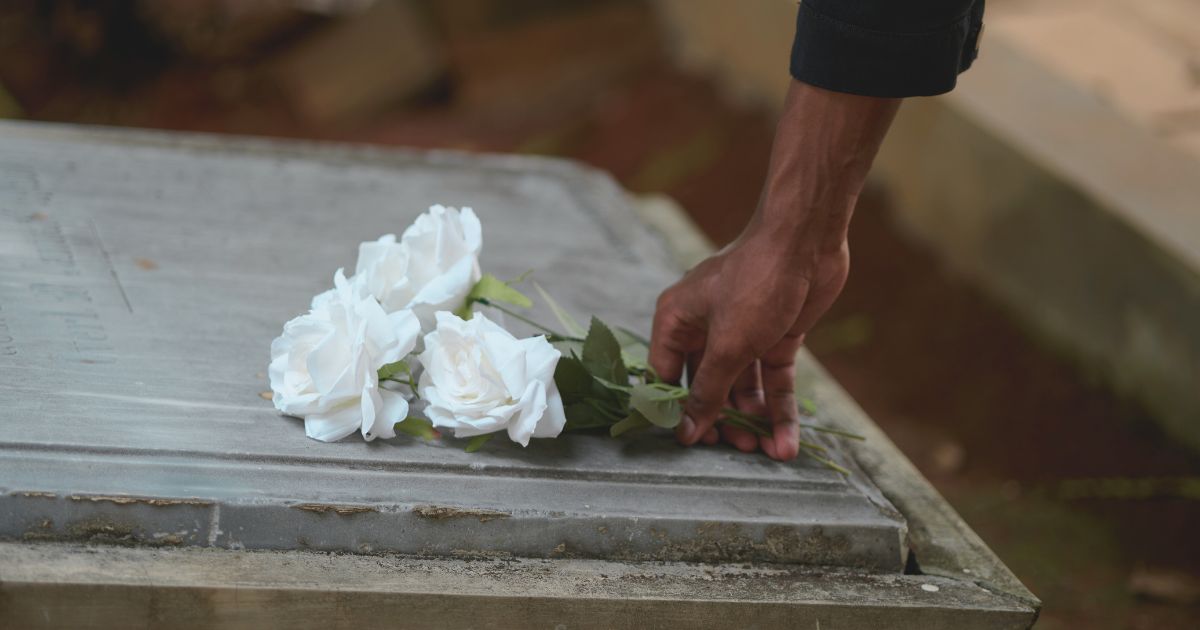
Coping with the loss of a loved one who struggled with their mental health is unlike any other kind of grief. It often carries a heavier weight, marked by guilt, confusion, and social stigma.
According to Dr. Yeng Gatchalian, the chief psychologist of Mind Care Center of Perpetual Help Medical Center - Las Pinas, those left behind are haunted with many "what ifs."
She said it's natural for grieving family members to feel regret and self-blame after such a loss. Thoughts like "sana binigyan ko siya ng mas mahabang oras," "dapat pinakinggan ko siya," or "bakit ko pinabayaan" often haunt those who are grieving.
Because the family cannot help but somehow feel guilty for what happened, Gatchalian said the best thing to do is to avoid making them think they were responsible for it.
"Don't make them feel na parang kasalanan nila 'to," she told GMA News Online.
Instead of constantly asking "Kamusta ka na?" or "Nahirapan ka ba?" sometimes what the grieving family needs most is silent support and a comforting presence that listens without judgment.
"Just treat it like any other loss. Be there. Presence mo lang. Ipakitang mong nandiyan ka. Makinig ka sa kanila kapag gusto nila mag-release," Gatchalian said.
If someone expresses guilt, the mental health advocate said that appropriate response is reassurance and validation.
"Puwede mo sabihin sa kanya na natural lang 'yung nararamdaman mo. Normal 'yan. Kasi nandoon talaga 'yung pangihihinayang. So, you're validating that experience. 'Yung pagsisisi niya. Vina-validate mo 'yun kasi totoo namang nangyayari 'yun," she explained.
Gatchalian also said that online comments often turn cruel or insensitive toward the deceased or their family.
This recently happened to Kim Atienza, whose daughter Emman passed away at 19 years old after battling depression. A netizen told him, "the Holy Spirit will convict you to repent for the ways you may have fallen short as a parent."
Kuya Kim responded and called the commenter an "evangelical bully."
Gatchalian urged netizens to be more compassionate and considerate toward those who are grieving.
"Sana call lang to everyone. Stop na natin 'yung parang sinisisi pa 'yung bata, sinisi pa 'yung magulang. Meron pang, 'eh kasalanan mo 'yan.' May mga gano'n. Napaka-insensitive," Gatchalian said.
She also explained that clinical depression is not just simply feeling sad.
"Ang clinical depression kasi ang isa sa mga pinagdadaanan nila ay difficulty in concentrating. So, hirap talaga sila to come up with a good decision. Kasi, masyadong masakit," Gatchalian said.
"Hindi kasi ito normal na nalungkot lang. Masakit ito sa ulo. Parang hindi mo alam kung saan nanggagaling 'yung lungkot. Ang hirap," she added.
The mental health expert said that some simply want the pain to end.
"It's not about dying. It's that pain that they are experiencing at that time that they don't even know how to handle it. Kaya, huwag natin silang sinisisi," Gatchalian said.
Gatchalian encouraged bereaved families to undergo counselling to help them manage the pain from the loss.
"Hindi regular 'yung loss and grief [dito]. Maraming masyadong guilt feelings. So, if going to see if seeing a professional can help, go ahead. So, they can go to counseling para ma-process nila 'yung nararamdaman nila," she said.
"Kasi bakit importante ang counselor? 'Pag professional kasi may prosesong ginagawa. Kapag typical na [usap] lang with friend, support tawag don. 'Yung kapag nararamdaman mong wala kang karamay, andiyan may kasama ka, nakakaintindi sa 'yo."
Unlike support from friends, Gatchalian said that counselling offers more professional help as they undergo right process to help you cope with the pain.
"'Pag professional kasi 'yung nagha-handle, meron silang tamang proseso na ginagawa sa 'yo para kahit paano, not to remove the pain but at least for you to be able to manage it and ma-realize na hindi mo naman kasalanan," she said.
In the Philippines, where mental health remains a taboo subject in many conversations, Gatchalian said that it's high time to normalize discussing it, starting at home.
"You check on your children. Ikaw 'yung parent, you check on your children. Halimbawa, sa gabi, s'yempre, gabi, patulog na, madalas diyan pumapasok lahat ng kalungkutan," Gatchalian said.
"So, you can go to your child's room and then yakapin mo siya, oh, you want to read the book? Ganyan. Or you can directly ask, kamusta ka na? Ganun," she continued.
She added that it can be part of casual conversations, whether over dinner or during simple family bonding moments, where open and healthy discussions can thrive.
For those experiencing emotional turmoil, Gatchalian said it's OK to cry and open up to a trusted family member. Expressing your emotions is a healthy step toward healing.
"If you want to cry, tapos tingin mo, 'yung isang family member mo can be there to listen to you and to offer you hug, punta ka sa kanya," she said. —MGP, GMA Integrated News
The Philippines has several mental health hotlines and services. These include: DOH-NCMH Hotline: 0917-899-8727 and 02-7989-8727; Natasha Goulbourn Foundation Hopeline: 0917-558-4673, 0918-873-4673, and 02-8804-4673; and In Touch Crisis Line: 0917-800-1123, 0922-893-8944, and 02-8893-7603.

