

 GMA Brandtalk
 Tracking
 Archives

Flossing and tongue cleaning: Why brushing alone is not enough for oral and overall health
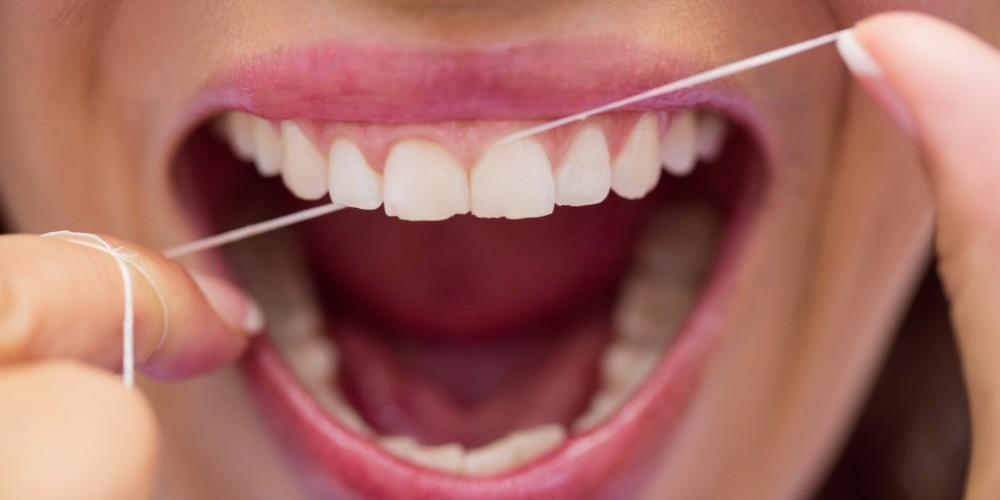
Many people may think that brushing twice a day is already enough.
The teeth feel clean, breath seems fresh, and the routine takes only a few minutes, but dentists say brushing alone cannot reach some of the most bacteria-prone areas of the mouth, particularly between the teeth and along the gumline.
Dr. Angelo Malansing of AM Dental Clinic and Malansing Dental Clinic said that even basic brushing can be inconsistent for many Filipinos, and adding another step like flossing often feels like too much work on a busy day.
According to Dr. Princess Rivera-Dimayuga or Doc Pink of Brilliant Smile Ortho Dental Clinic in Batangas City and Dr. Christine Joye Martin of Martin Dental Clinic in Caloocan, flossing and tongue cleaning play distinct but equally important roles in preventing gum disease and reducing harmful bacterial buildup that may affect overall health.
The dentists say flossing is frequently skipped, even among patients who brush regularly.
“Many patients feel that brushing alone is enough because their teeth feel clean afterward. There’s also limited awareness that a toothbrush cannot reach between teeth, where plaque commonly builds up. Some people avoid flossing because their gums bleed, not realizing that bleeding is usually a sign of inflammation that actually improves with proper flossing,” Doc Pink said.
Dr. Malansing noted that flossing can also act as a diagnostic tool: if the floss shreds or catches in a certain area, it often indicates tartar buildup or hidden cavities between the teeth, signaling the need to visit a dentist.
For some, it is simply a matter of habit, time constraints, or uncertainty about proper technique.
Dr. Martin added that brushing techniques are widely taught through books, brochures, posters, and commercials from an early age, while flossing rarely receives the same level of emphasis.
“Consumer trends may also play a role, since toothbrushes and toothpaste are more widely discussed than floss,” she said.
Bleeding gums, she explained, often discourage people from continuing the practice.
“Some people stop flossing when they notice bleeding, unaware that bleeding is a sign of inflammation. In reality, the more consistently and correctly you floss, the healthier your gums become, leading to less bleeding,” she said.
Dr. Malansing likewise emphasized that maintaining healthy gums through flossing prevents tiny open wounds in the gums, which can otherwise allow bacteria to enter the bloodstream and contribute to systemic issues like heart disease or worsened diabetes.
What brushing alone cannot do
Brushing effectively cleans the front, back, and chewing surfaces of the teeth. However, it cannot fully reach the tight spaces between teeth, where plaque commonly forms.
Doc Pink explained that flossing removes plaque and food debris from between the teeth and just below the gumline, areas inaccessible to a toothbrush.
“This helps prevent gum inflammation, reduces bleeding, and lowers the risk of gingivitis and periodontal disease,” she said.
Dr. Malansing added that flossing also reaches areas that reveal hidden oral health problems, reinforcing gum health beyond what brushing alone can achieve.
Dr. Martin, on the other hand, emphasized that plaque formation is not limited to sugary foods like candies and chocolates. Plaque develops when food particles containing sucrose and starches, including rice and bread, interact with saliva and the natural microbial flora in the mouth.
“If plaque is not removed through proper oral hygiene, it continues to accumulate, leading to an imbalance of good and bad bacteria in the mouth, which then causes gum inflammation and bleeding. Over time, this buildup can damage the bone supporting the teeth, causing tooth mobility, pain, and eventual tooth loss. This is why flossing is important. It disrupts plaque formation in these hard-to-reach areas, reinforcing gum health,” she said.
In a 2022 study published in the Journal of Dental Hygiene, researchers found through a 12-week clinical trial that adding daily flossing to a toothbrushing routine led to statistically significant reductions in gingivitis and gingival bleeding compared to brushing alone.
Specifically, the combination of brushing and flossing significantly improved interproximal gingival health measures and reduced the overall percentage of bleeding sites.
Furthermore, participants who flossed showed significant improvements in bleeding on probing, which is considered one of the best parameters for monitoring gingival health.
Oral care’s link to systemic health
Dentists increasingly describe oral health as both a reflection of and contributor to overall systemic health.
According to Doc Pink, flossing supports overall health by reducing oral bacteria and chronic inflammation in the gums. Gum disease has been linked to conditions such as cardiovascular disease and poor diabetes control.
“While flossing alone does not directly prevent these conditions, maintaining healthy gums helps reduce the body’s inflammatory burden and supports better systemic health,” she said.
Dr. Malansing explained that flossing prevents microscopic open wounds in the gums, which can otherwise allow bacteria to enter the bloodstream and contribute to systemic inflammation and serious conditions like bacterial endocarditis.
Dr. Martin also said that when oral hygiene is inadequate, harmful bacteria accumulate and disrupt the normal balance of the oral microbiome. The body responds with inflammation. If this imbalance persists, it can lead to chronic periodontal inflammation that may heighten inflammatory responses elsewhere in the body.
“Poor oral health can affect a person's ability to chew, especially in those with severe periodontal disease or numerous missing teeth. This can result in limited food choices, lower nutritional intake, and a higher risk of malnutrition,” she said.
Research has identified the pathogen Porphyromonas gingivalis, commonly found in dental plaque, as a bacterium of interest in studies exploring cardiovascular disease, particularly atherosclerosis.
“This pathogen is also being studied for its potential role in neurodegenerative diseases like Alzheimer’s and dementia,” she said.
However, Dr. Martin cautioned that while P. gingivalis, a bacterium linked to gum disease, has been detected in the brain tissue of some Alzheimer’s patients, the biological mechanisms remain under investigation. Current evidence does not establish direct causation.
Dr. Malansing added that severe gum disease can create open pathways for bacteria to reach the brain, triggering the production of sticky proteins that form plaques, one of the hallmarks of Alzheimer’s disease.
“Even if the bacteria don't reach the brain, untreated gum disease keeps your entire body in a constant state of low-grade inflammation. This ‘constant fire’ exhausts your immune system and can speed up cognitive decline,” he said.
In a 2025 study, researchers reported growing evidence of a two-way relationship between periodontitis (severe gum disease) and Alzheimer’s disease, suggesting that severe gum disease may be a modifiable risk factor for cognitive decline.
The review noted that P. gingivalis and its enzymes have been detected in the brains of many Alzheimer’s patients and are associated with amyloid plaques (clumps of sticky protein fragments called amyloid-beta that accumulate between nerve cells in the brain) and tau (protein that normally helps stabilize the internal “tracks” that carry nutrients and signals inside neurons) damage.
Animal studies cited in the paper also suggest that chronic oral infection with this bacterium may lead to brain inflammation, increased amyloid production, and memory impairment.
However, the authors stressed that the findings show an association between P. gingivalis and Alzheimer's disease, and that further studies focused on causality are recommended.
Doc Pink said emerging research suggests that bacteria from severe gum disease may enter the bloodstream and potentially reach the brain, contributing to chronic inflammation that could affect brain cells.
Dr. Malansing reinforced that regular flossing stops inflammation and bleeding that allow bacteria to spread, protecting both oral and systemic health, including the brain.
Poor oral hygiene allows harmful bacteria to build up, increasing infection risk and long-term systemic inflammation, a recognized factor that is being studied in cognitive decline.
Regular flossing also reduces plaque and bacteria between teeth, helping prevent gum disease and lowering inflammation that may influence overall health, including brain health.
Still, the dentists emphasize that these findings remain areas of active research rather than definitive conclusions.
How often should you floss?
The dentists we spoke to recommend flossing at least once daily.
Dr. Malansing added that while frequency is important, technique matters even more; improper flossing can push debris deeper into the gums, causing more harm than good.
He emphasized that expensive tools are not necessary; what truly matters is proper technique in brushing, flossing, and tongue cleaning.
Doc Pink also advised gently guiding the floss below the gumline and curving it around each tooth to remove plaque without injuring the gums.
Dr. Martin described using a careful up-and-down “C-shape” motion along the side of each tooth, extending slightly beneath the gum margin to disrupt plaque buildup.
Here are the most common errors dentists observe:
- Snapping floss forcefully into the gums
- Flossing only visible areas
- Reusing the same section of floss
- Stopping when bleeding occurs
- Aggressive flossing that causes gum trauma
These practices may injure the gums, leave plaque behind, and worsen inflammation over time.
Why tongue cleaning also matters
Brushing and flossing address teeth and gums, but the tongue can harbor bacteria as well.
Doc Pink explained that the tongue’s surface naturally traps bacteria, food debris, and dead cells.
“If not cleaned regularly, it can contribute to bacterial buildup in the mouth,” she said.
Dr. Martin described the tongue’s papillae, sulci, and grooves as reservoirs for microorganisms.
“In the same sense as brushing and flossing are essential for oral health, tongue cleaning deserves equal attention,” she said. “Regular tongue cleaning can help reduce the overall bacterial load in the mouth.”
Studies have shown that tongue cleaning may help manage bad breath by lowering odor-causing bacteria.
In a 2004 study, researchers conducted a clinical trial comparing a tongue scraper to a soft-bristle toothbrush to determine their effectiveness in reducing the volatile sulfur compounds (VSCs) that cause bad breath.
The study found that while both methods removed tongue coating, the tongue scraper was significantly more efficient, resulting in a 75% reduction in VSCs compared to a 45% reduction achieved by the toothbrush.
This research highlights that tongue cleaning is a key strategy for managing halitosis or bad breath, especially since an estimated 50% of intra-oral bad breath cases are caused by residue on the tongue.
Recommended tools for tongue care
The dentists recommended using a tongue scraper, which research suggests removes bacterial coating more efficiently than brushing alone.
“A tongue scraper is generally the most effective tool because it removes the bacterial coating more efficiently. A soft toothbrush can also be used if a scraper is not available. The tongue should be cleaned gently from back to front once daily as part of routine oral hygiene,” Doc Pink said.
Dr. Martin shared the same sentiment and said, “Research indicates that tongue scrapers are more effective for tongue care.”
Dr. Malansing, for his part, emphasized that expensive tools are not necessary; what truly matters is proper technique in brushing, flossing, and tongue cleaning.
The bigger picture: daily habits that protect long-term health
For long-term oral and overall health, the dentists recommend:
- Brushing twice daily with fluoride toothpaste
- Flossing every day
- Cleaning the tongue
- Limiting sugar intake
- Maintaining gums free from bleeding or swelling
- Visiting the dentist at least twice per year for checkups and professional cleaning
Good oral hygiene reduces bacterial buildup and inflammation, supporting not only gum health but potentially broader systemic health.
Dr. Malansing summarized it with his motto: Keep it simple—proper brushing, flossing, and tongue cleaning protect your smile, your body, and your brain.
While research continues to explore connections between oral bacteria and conditions such as heart disease, diabetes, and cognitive decline, one point remains consistent: brushing alone is not enough.
Flossing and tongue cleaning are small daily habits, and dentists say their long-term impact may be significant. —CDC, GMA Integrated News

