

 GMA Brandtalk
 Tracking
 Archives

Matcha: benefits, risks, and everyday consumption, according to nutritionists
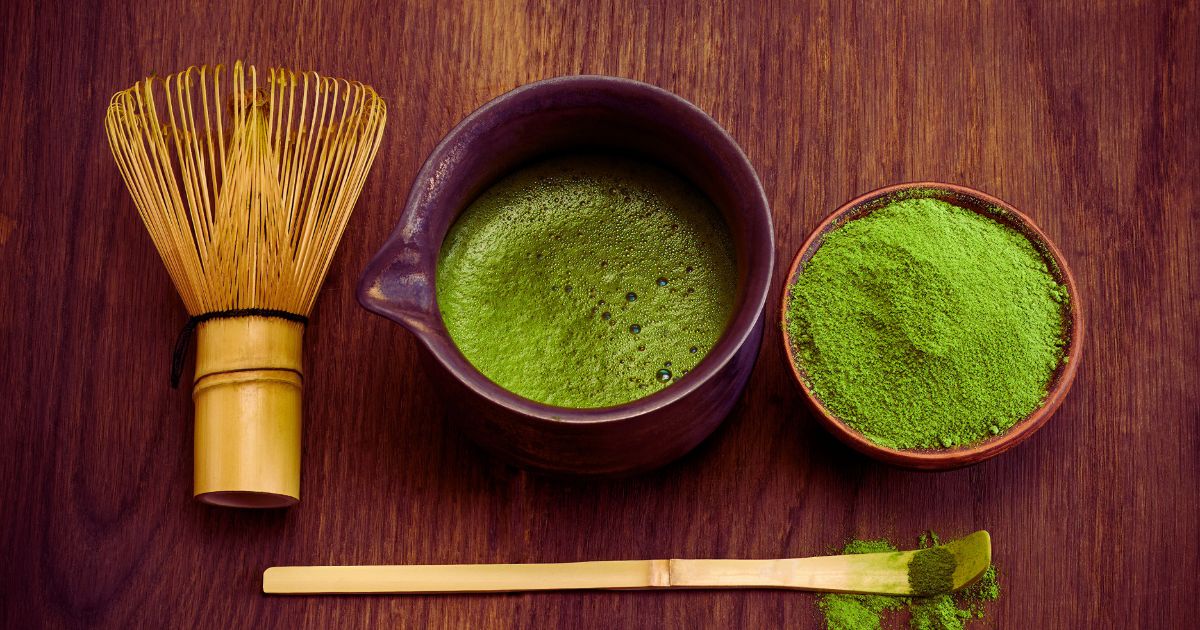
Matcha has certainly risen in popularity in the Philippines, with dedicated matcha bars sprouting across Manila, pop-up events taking place every so often, cafes offering a wider selection of matcha in various forms, and a growing number of individuals having at-home whisking routines.
Local matcha brands emphasize that beyond science, matcha is also about ritual, accessibility, and consistency in daily life.
“The local community has always been attracted to the feeling or the intimate ritual that matcha offers,” Halo Matcha co-founder Alia Mercado said, adding that what they highlight is “the feeling of ‘pahinga in a cup’ or calm moments from the routine of making matcha.”
But beyond its aesthetic appeal and growing popularity, the finely ground green tea powder that originated in Japan with roots tracing back to traditional Chinese tea preparation methods has nutrition experts saying its value lies in a distinct mix of bioactive compounds and in how it is prepared and consumed.
What makes matcha nutritionally different?
Matcha stands apart from regular green tea because the entire leaf is consumed rather than discarded after steeping.
Bianca Babar, RND, explains: “Matcha is a powdered form of green tea wherein the entire leaf is consumed, making it more nutrient-dense than traditional brewed tea. It is rich in L-theanine, catechins and has moderate amounts of caffeine (~18.9-44.4 mg per gram of matcha).”
Caffeine is responsible for matcha’s energizing properties, acting "as a stimulant as it easily passes through the blood-brain barrier and activates the nervous system and heart, resulting in blood pressure changes and induces feeling of ‘wakeness," Phil Michael Duque, RND, explained.
L-theanine meanwhile helps regulate the stimulating effects of caffeine, producing a more balanced mental state.
“Theanine and caffeine together can enhance cognitive function while additionally relieving stress,” Duque said.
This combination is often what consumers call “calm alertness,” a term also reflected in how some local brands position their products as part of a slow, intentional routine rather than a quick energy spike.
And then there are the Catechins, plant-based antioxidants that's been linked to various health benefits.
“Epigallocatechin gallate (EGCG) is a type of catechin mainly present in green tea that supports heart and brain health, reduces cancer risk, and helps in weight management,” Duque said.
He also explains broader functions, like how it helps “inhibit or delay oxidative processes and protect organs from free radicals.”
Because of these factors, matcha delivers higher concentrations of antioxidants and other active compounds compared to brewed tea or coffee-based drinks commonly consumed for energy.
Matcha’s health benefits
1. Focus, cognition, and stress regulation
The combination of caffeine and L-theanine is central to matcha’s cognitive effects.
“Matcha contains bioactive compounds such as caffeine, theanine, and catechins that have been linked to multiple benefits for cognitive function. This combination of compounds may provide calm, sustained energy without the crash or jitters typically associated with coffee,” Krisha Nobora, RND said.
She adds that L-theanine promotes brain activity linked to relaxation as it “promotes alpha-wave brain activity to induce 'calm alertness.'”
This “no crash” energy is also why some matcha founders emphasize steadier energy rather than stimulation.
Aika Agustin of Kuma’s Matcha, for example, describes it as “a calm, steady kind of energy without the crash.”
“With Kuma’s Matcha, we focus on that balance. It supports both focus and stillness, so instead of a quick boost, you get a more grounded, sustained energy you can carry throughout your day,” she said.
Marigold Mansueto of Greenday Matcha similarly frames matcha as both functional and habitual, emphasizing that its effects come from its natural composition, reinstating the positive effect of L-theanine.
“More than just a trend, we position matcha as a lifestyle drink that supports both productivity and wellness, whether for work, study, fitness, or mindful breaks throughout the day,” she said.
2. Metabolism and fat oxidation
Matcha’s catechins and caffeine are also associated with metabolic activity.
“EGCG activates brown adipose tissue, boosting the body’s energy expenditure and thermogenesis,” Nobora said. “Caffeine can also increase energy expenditure and boost metabolic rate.”
She emphasized that these effects are supportive rather than standalone solutions.
“It works best when paired with a healthy diet and regular physical activity,” she said.
3. Heart and antioxidant protection
Matcha’s antioxidants are linked to cardiovascular and cellular benefits.
“Matcha can also aid in reducing cholesterol levels and improving lipid profile, protecting the heart and blood vessels, as well as reducing oxidative stress and inflammation,” Duque said.
4. Potential long-term protective effects
Research also explores matcha’s role in disease prevention, though not as treatment.
“Matcha also exhibits anticarcinogenic properties and reduces incidences of colorectal cancer and inhibits cancer growth based on recent studies,” Duque said.
He emphasizes, however, that outcomes depend heavily on lifestyle and diet.
How Matcha, green tea, and coffee differ
Babar explained that while all three beverages contain caffeine and antioxidants, their effects differ significantly.
Matcha provides higher antioxidant concentration due to whole-leaf consumption, and the aforementioned “calm alertness” with sustained energy. Meanwhile, its MGCG content may also support fat metabolism through thermogenesis. “This increases the breakdown of stored fat into fatty acids (lipolysis) to be used as energy," Nobora said.
Green tea meanwhile offers lower caffeine and milder stimulation, as well as gentle metabolic and cardiovascular benefits
Finally, coffee delivers faster, stronger stimulation, as well as a more immediate kind of alertness that comes with potential jitteriness.
Risks and possible downsides
Despite its benefits, experts stress that matcha is not risk-free, especially when consumed in excess.
“Drinking too much can lead to physical side effects such as increased heart palpitations, insomnia, and stomach issues,” Nobora said.
“Drinking matcha or green tea during meals may hinder your body’s ability to absorb essential nutrients, such as iron.”
Excess catechin intake may also affect liver health.
Quality is another concern. Poor sourcing may introduce contaminants "like pesticides or heavy metals,” Nobora said.
This is where sourcing transparency emphasized by brands becomes relevant.
For example, Greenday Matcha explains they work directly with multiple farms in Japan and have Japanese team members who review each batch.
“We work directly with five trusted tea farms from different prefectures in Japan, which helps us make sure that the matcha we serve is authentic, fresh, and high quality,” Yoshikazu Tezuka said. “More importantly, all of our drinks are also approved by our Japanese team before they are introduced to the market. This ensures that every drink we serve, whether it is a classic matcha beverage or one of our signature creations, delivers the quality, taste, and experience.”
HALO Matcha’s Mercado, who runs the business with her cousins Maxine Bañares and Felicity Maneclang, stressed that maintaining direct connections with farmers is central and essential to their approach.
“There are some local sources available for matcha powder distribution, but as a brand it’s important for us to stay connected to the direct source which are the farmers. Thanks to our partner farmers, we get to become more knowledgeable on matcha and the intricacies of its production,” she said.
Similarly, Agustin described a more selection-heavy process before sourcing is finalized.
“We go through a lot of tastings and research before finalizing any cultivar or blends that we offer. Sourcing matcha has been more challenging recently because of the global shortage, so it really took time to find each of our current offerings,” she said.
She added that they handle inspection on their end and pack everything in small batches locally to maintain freshness.
On a personal note, as a brand owner, she pays closer attention to the harvest.
“Matcha made from ichibancha (first harvest) is considered the highest quality, since these are the youngest, most nutrient-dense leaves with a naturally smoother profile,” Agustin said.
Per Bazti Francisco, RND, it is safe to consume two to four grams of matcha powder or one to four cups per day.
“However, to reap its full benefits, you need to consume about 2g or 2 servings of matcha per day, according to research,” he said.
Who should be cautious with matcha?
According to Babar, matcha should be limited or carefully monitored for:
- Pregnant and breastfeeding individuals
- People sensitive to caffeine
- Those with cardiovascular conditions (arrhythmia, hypertension)
- Individuals with liver conditions
- Iron-deficient individuals
- Those on medications such as anticoagulants or stimulants
- People with gastrointestinal disorders
- Children and adolescents
She explained that caffeine and polyphenols may “increase heart rate and blood pressure” and “inhibit non-heme iron absorption.”
Timing, preparation, and absorption matter
How matcha is consumed significantly affects its benefits.
“Consuming matcha in the morning enhances attention, alertness and cognitive performance," Babar said, adding "intake later in the day may disrupt sleep quality and circadian rhythms."
Water temperature also matters, with 70-80°C helping preserve catechins.
Francisco added that preparation can also influence nutrient absorption and comfort. For example:
- Pairing with vitamin C can enhance catechin stability
- Taking it with food may reduce stomach irritation
- Spacing it away from iron-rich meals improves iron absorption
“Go organic- to prevent or minimize exposure to pesticides and contaminants,” he said.
From a sourcing and production standpoint, Adea Matcha emphasizes leaf selection and processing quality.
The brand uses “the Yabukita cultivar, one of Japan’s most established and widely respected tea varieties, using only first-harvest leaves,” and notes that these leaves are “shade-grown prior to harvest to enhance chlorophyll levels and L-theanine concentration.”
“Quality is evaluated based on key indicators such as a vibrant jade-green color, ultra-fine texture, fresh grassy aroma, and a clean, balanced flavor profile with minimal bitterness,” Althea Venice Dela Cruz said.
Overall, matcha offers a scientifically supported mix of antioxidants, caffeine, and L-theanine that can support focus, energy, and overall health when consumed properly.
However, its benefits ultimately depend on moderation, quality, and how it is integrated into a balanced lifestyle. — LA, GMA News

