

 GMA Brandtalk
 Tracking
 Archives

How to spot signs of dehydration amid hot weather
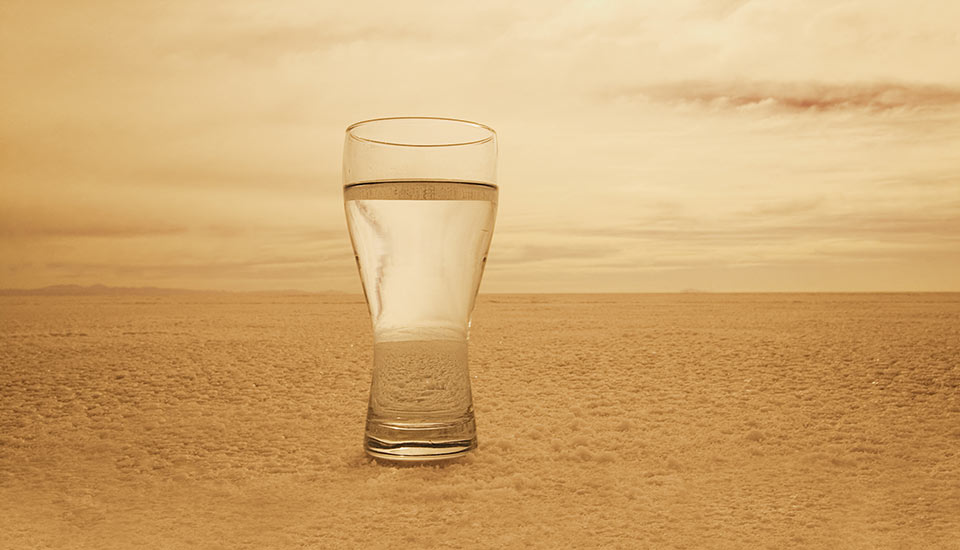
The sizzling summer heat can bring more than just unbearably hot temperatures.
It can also drain your body of water, which leads to multiple health risks if not promptly addressed.
According to Johns Hopkins Medicine, extremely hot weather can cause dehydration, which dries up body water through several different forms.
Hot weather can cause a person to sweat profusely, which takes away their body water.
A person can also lose water through tears, regular breathing, urination, or stool, or if they're sick.
Paired with overexposure to the sun and insufficient drinking of water, a person may lose enough water and essential body salts in their system.
Dehydration occurs gradually, but it isn't hard to miss.
A person suffering from dehydration may experience the following symptoms:
- Thirst
- Less-frequent urination
- Dry skin
- Fatigue
- Light-headedness
- Dizziness
- Confusion
- Dry mouth and mucous membranes
- Increased heart rate and breathing
The UK National Health Service (NHS) says the way to prevent dehydration is to simply drink enough fluids, especially water.
"Start with small sips and then gradually drink more," it advised.
For more severe symptoms, the NHS recommends consulting a doctor or pharmacist.
Moderate dehydration symptoms may be treatable through intravenous (IV) fluids, but more severe or urgent symptoms may require hospitalization.
The Department of Health (DOH) advised the public to be prepared for health impacts resulting from the hot weather.
DOH Spokesperson Undersecretary Albert Domingo noted other than dehydration, the hot temperatures can also cause heat cramps, heat exhaustion, and heat stroke.
“Heat stroke is a medical emergency occurring when body temperatures exceed 40°C, potentially leading to seizures, coma, or altered mental status. While everyone is at risk, infants, seniors, and those with comorbidities like hypertension or diabetes are most vulnerable,” he shared.
Domingo advised the public to keep track of heat index forecasts, stay hydrated with 8 to 10 glasses of water daily, and avoid dehydrating drinks.
He also advised the public to refrain from direct sunlight and wear loose clothing to stay protected
— VDV/LA, GMA News

