

 GMA Brandtalk
 Tracking
 Archives

How to keep safe from hantavirus pulmonary syndrome
Hantavirus pulmonary syndrome (HPS) is a severe disease caused by the hantavirus Andes strain, which is known to cause rare human-to-human transmission, particularly in Argentina and Chile.
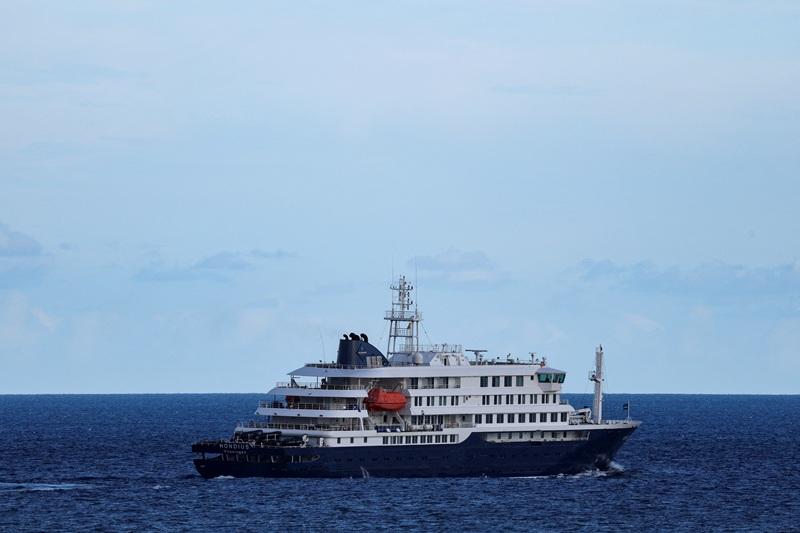
The Andes strain was detected among several victims on the luxury cruise ship MV Hondius that had 150 passengers onboard and was on its way to Cape Verde.
In a social media post on Tuesday, the Department of Health (DOH) said there are no confirmed cases of HPS in the Philippines.
While the risk of spreading is low, the DOH released the following ways to keep safe from HPS:
- Maintain your house and vicinity clean
- Cover your leftovers
- Ensure garbage bags and containers are sealed
- Regularly wash your hands
The symptoms of HPS are fever; headache, stomachache or body ache; and vomiting.
The World Health Organization also said the following steps can be helpful:
- Close the hole wherein rodents could enter
- Store food properly
- Safely clean contaminated areas
- Avoid dry sweeping rat droppings
- Wet the area before cleaning
The Centers for Disease Control and Prevention (CDC) said there is neither medicine nor vaccine for hantavirus infection.
Suspected HPS patients should immediately be given emergency medical care, and it is better to bring the patient to the intensive care unit even without a confirmed diagnosis.
If not treated immediately, a patient’s lungs may be filled with water. They may also experience rapid low blood pressure and cardiac shock.
The Department of Migrant Workers said all Filipino crew members aboard MV Hondius tested negative for hantavirus but remain under monitoring along with other passengers.
According to WHO, seven cases have been confirmed and an eighth is listed as "probable" for hantavirus after the outbreak on the cruise ship.
It added that three people have died, with two of those confirmed as having hantavirus and one probable case.
EXPLAINER: Where did the hantavirus come from?
— LA, GMA News

