

 GMA Brandtalk
 Tracking
 Archives

Pimple patches: What they can and can't do for acne, according to experts
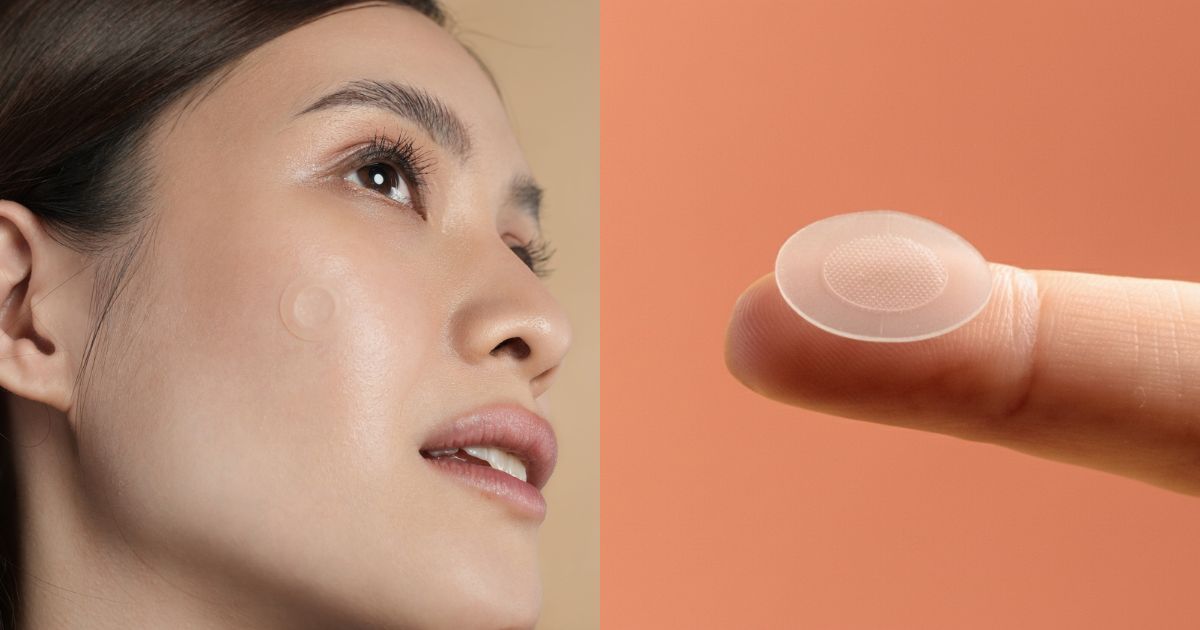
Pimple patches have become a staple in many skincare routines, promising a simple way to deal with unwanted breakouts. From clear stickers to colorful star- and flower-shaped designs, the products have gained popularity among teens and adults alike.
But while pimple patches can be helpful, a dermatologist and and a skincare industry expert said they are not a cure-all for acne.
How pimple patches work
According to dermatologist Dr. Patricia Solon, pimple patches are essentially hydrocolloid dressings, a type of advanced wound dressing used to help wounds heal.
"It absorbs the exudate from the wound and it creates a moist environment that is ideal for wound healing," she said.
The patches also act as a protective barrier that helps prevent bacteria from entering an open pimple.
Charmaine Palermo, co-founder of skincare brand Posh Skin Co., similarly described a pimple patch as "a tiny protective bandage designed specifically for acne."
"Most pimple patches are made from hydrocolloid, a material that helps absorb excess fluid from pimples while creating a protective barrier over the skin," she said.
Which pimples benefit the most?
Patches do not have to be applied to every pimple.
"In my experience, pimple patches work best on pimples that have come to a head or contain fluid," Palermo said.
Solon said that hydrocolloid patches are effective on "superficial, open or recently expressed" acne lesions because they absorb fluid from the area.
However, they are generally not effective for:
- Whiteheads and blackheads that have not opened
- Deep cystic acne
- Nodular acne
- Hormonal breakouts beneath the skin
For these conditions, Solon said patients may need treatments such as topical retinoids, antibiotics, oral medications, or other dermatologist-recommended therapies.
A common misconception
One of the most popular claims on social media is that pimple patches "extract" pimples. Solon said this is a misconception.
"It's only good for the pimples na nag-pop already kasi nga it absorbs exudate," she said. "So kung walang exudate, hindi naman 'yun mag-work."
While some users may notice white material on the patch after removing it, Solon explained that this does not necessarily mean the patch pulled out the pimple itself.
Another misconception, both experts said, is that pimple patches can treat acne as a whole.
"It's only managing individual lesions," Solon said, noting that acne is a multifactorial condition.
Palermo echoed the point, saying pimple patches "can help manage individual breakouts and protect the skin," but factors such as hormones, genetics, lifestyle, and overall skincare habits also play a role in acne.
What ingredients should consumers look for?
Hydrocolloid emerged as the primary ingredient emphasized by both sources.
Some patches also contain active ingredients such as salicylic acid, tea tree oil, niacinamide, or centella asiatica.
According to Solon, these ingredients may offer additional anti-inflammatory or acne-fighting benefits in theory, but current evidence remains limited.
Palermo said some consumers prefer patches with added ingredients because they provide extra support while the skin heals.
Still, Solon advised people with sensitive skin to be cautious.
"It's best to avoid anything with essential oils and fragrance," she said, adding that ingredients such as salicylic acid and tea tree oil may cause irritation or contact dermatitis in some individuals.
Do cute patches work as well as clear ones?
Decorative pimple patches have become increasingly popular, but experts say appearance does not determine effectiveness.
"As long as it's still a hydrocolloid dressing, it should be as effective as other hydrocolloid dressings," Solon said.
Palermo similarly said that stylish patches can perform just as well as traditional clear versions if they use the same hydrocolloid technology.
"The difference is often in the experience," she said, adding that some users feel more confident wearing fun designs in public.
Using pimple patches safely
To get the best results, Palermo recommends applying patches only on clean, dry skin and avoiding the temptation to remove them too soon.
"The biggest mistake is applying a patch to dirty or freshly moisturized skin," she said.
Solon also warned against overreliance on pimple patches, particularly for people with more severe acne. Prolonged use may occasionally lead to irritation, while delaying proper treatment could allow acne to worsen or leave scars.
When to see a dermatologist
While pimple patches can be a useful addition to a skincare routine, Solon said that they should be viewed as an added treatment rather than the main solution.
"Good skin is a result of consistent treatment over weeks to months, not overnight," she said.
She advised consulting a dermatologist if:
- Acne does not improve after several weeks of proper skincare
- Pimples are deep, large, or painful
- Scarring or dark marks have started to develop
- Acne is affecting a person's confidence or mental well-being
"Don't wait for scarring to happen," Solon said. "It can be more difficult to treat than acne." —MGP, GMA News

