

 GMA Brandtalk
 Tracking
 Archives

How strictly should parents monitor their kids' video game consumption? Psychologists weigh in
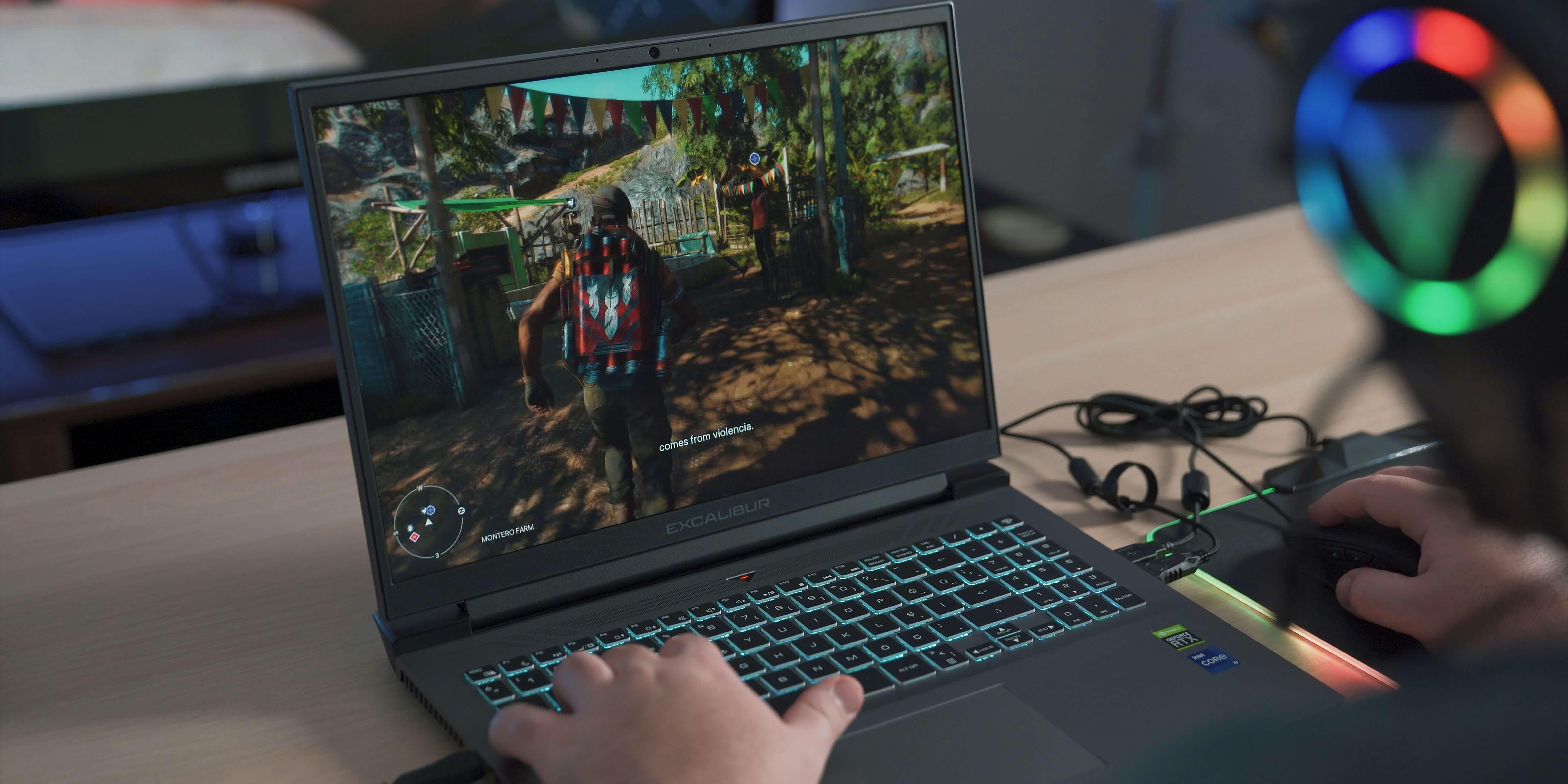
The fatal shooting incident in Tacloban City has sparked heated debates over whether the Philippines should impose restrictions on video games and social media use among minors.
The fatal shooting incident in Tacloban City has sparked heated debates over whether the Philippines should impose restrictions on video games and social media use among minors.
In this GMA News Online article, psychologists share their insights on how parents can best guide minors in using video games and social media.
Elizabeth Canlas Pineda, a board-certified clinical and counseling psychologist, said video games and social media are not inherently good or bad. Instead, she argues that the more important question is whether they affect a child's overall well-being.
Before worrying about screen time, Pineda advises parents to observe whether gaming and social media are interfering with a child's sleep, school performance, emotional regulation, family relationships, or other responsibilities.
“Hindi time ang kalaban. Ang kalaban ay effect,” she said.
“[For instance], if behavior is healthy, two hours is okay. If behavior is off, even 30 minutes is too much.”
Jun Angelo Sunglao, a licensed psychologist and global health mental practitioner, echoed the same sentiments, noting that it all comes down to behavior and daily functioning and not so much the amount of screen time.
"If a child is playing video games but still getting enough sleep, finishing homework, spending time with friends in real life, and helping out around the house, gaming is likely just a regular hobby for them," he said.
"The main concern is not the screen time itself. The true red flag is when gaming starts replacing those essential parts of growing up.
Sunglao also advised parents to look for shifts in a child's everyday mood. Other behaviors to watch out for include abandoning hobbies or sports they used to be passionate about, lying about how much they play video games, sneaking gadgets into bed, and neglecting to sleep and eat.
"If grades are dropping or chores are consistently ignored because of a game, it is time to intervene, he added.
Not all video games are the same
Meanwhile, Pineda emphasized that not all video games have the same psychological impact and that the type of game matters.
She cited Minecraft as an example, saying that an hour spent building in the game is not the same as an hour spent playing a hyper-violent shooter with voice chat.
“Age rating through the ESRB/PEGI systems and themes matter especially for those under 12 kasi mirror neurons pa sila,” she said.
The ESRB and PEGI are rating systems used to evaluate the content and age-appropriateness of video games.
Set boundaries, be involved
When it comes to parenting strategies, Pineda advises parents to avoid both extremes: completely banning video games and social media or allowing unrestricted access.
"Authoritative, not ban or free-for-all,” she stressed. “Set clear boundaries with the child, explain 'why,' be consistent, and model it yourself."
Pineda also underscored the importance of parents as role models.
“Model it: Parents also put their phones down during dinner,” she said as an example.
Ultimately, Pineda said that "guided freedom" builds trust and self-control.
“Ang goal natin: raise wise users, not ruled users,” she concluded. “The digital world is their future workplace and mission field. Turuan na natin sila ngayon.”
Sunglao also believes that parents should be balanced in their approach. Totally banning video games might lead kids to play them in secret, while giving unrestricted access could lead to unhealthy habits.
"Try establishing rules like finishing homework before gaming, or making bedrooms screen-free zones. When children understand the reasoning behind a rule and feel they had a voice in creating it, they are much more likely to cooperate," he suggested.
Sunglao likewise emphasized the importance of being involved a child's interests and hobbies, which can lead to productive conversations about video games and digital media.
"The best first step is simply showing genuine curiosity and treating it like any other hobby. Pull up a chair and ask them to teach you how it works or what the main goal of the game is," he said.
Having the gaming setup in a shared space is also recommended, per Sunglao, as parents are able to watch over their children without "hovering."
He suggested checking out Common Sense Media, a non-profit organization that reviews and games for parents to better understand their children's media use.
"They provide quick, easy breakdowns of a game's themes, violence levels, and chat features, ensuring you know exactly what the game entails before your child starts playing."
Model good behavior
Lastly, Sunglao underscored that leading by example can help build healthy media habits in children.
"Children learn by observing us, so if we are scrolling on our phones at the dinner table or watching videos late at night, they will view that as the standard,” he said.
Parents can aim to introduce “daily non-negotiables” to their kids, such as getting eight to 10 hours of sleep, engaging in exercise and physical activity, and allotting time for schoolwork and family bonding.
"Screen time should comfortably fill in the remaining gaps rather than crowd out the important activities. Most importantly, keep the lines of communication open. Ask them about the short videos they are watching or the content creators they follow,” he shared.
“Teaching children how to think critically about what they see online is the most effective way to prepare them for a digital world."
On June 22, two minors — aged 14 and 15 — opened fire inside the San Jose National High School in Barangay San Jose, leaving three people dead and 20 others wounded.
The 14-year-old alleged shooter is now detained at a youth facility, where he will undergo intervention programs, including anger management and mental health counseling.
In an earlier interview on Super Radyo dzBB, Police Brig. Gen. Jayson Capoy, director of the Police Regional Office in Eastern Visayas, said the minor suspect had been playing GoreBox.
Meanwhile, Senator Bam Aquino has rejected proposals for a blanket ban on video games following the deadly school shooting in Tacloban City.
Aquino, who is also the chairperson of the Senate Committees on Basic Education and Science and Technology, said numerous studies show there is no correlation between video games and incidents of school shootings. —CDC, GMA News

