

 GMA Brandtalk
 Tracking
 Archives

Blood donation explained: Qualifications, benefits, what to expect
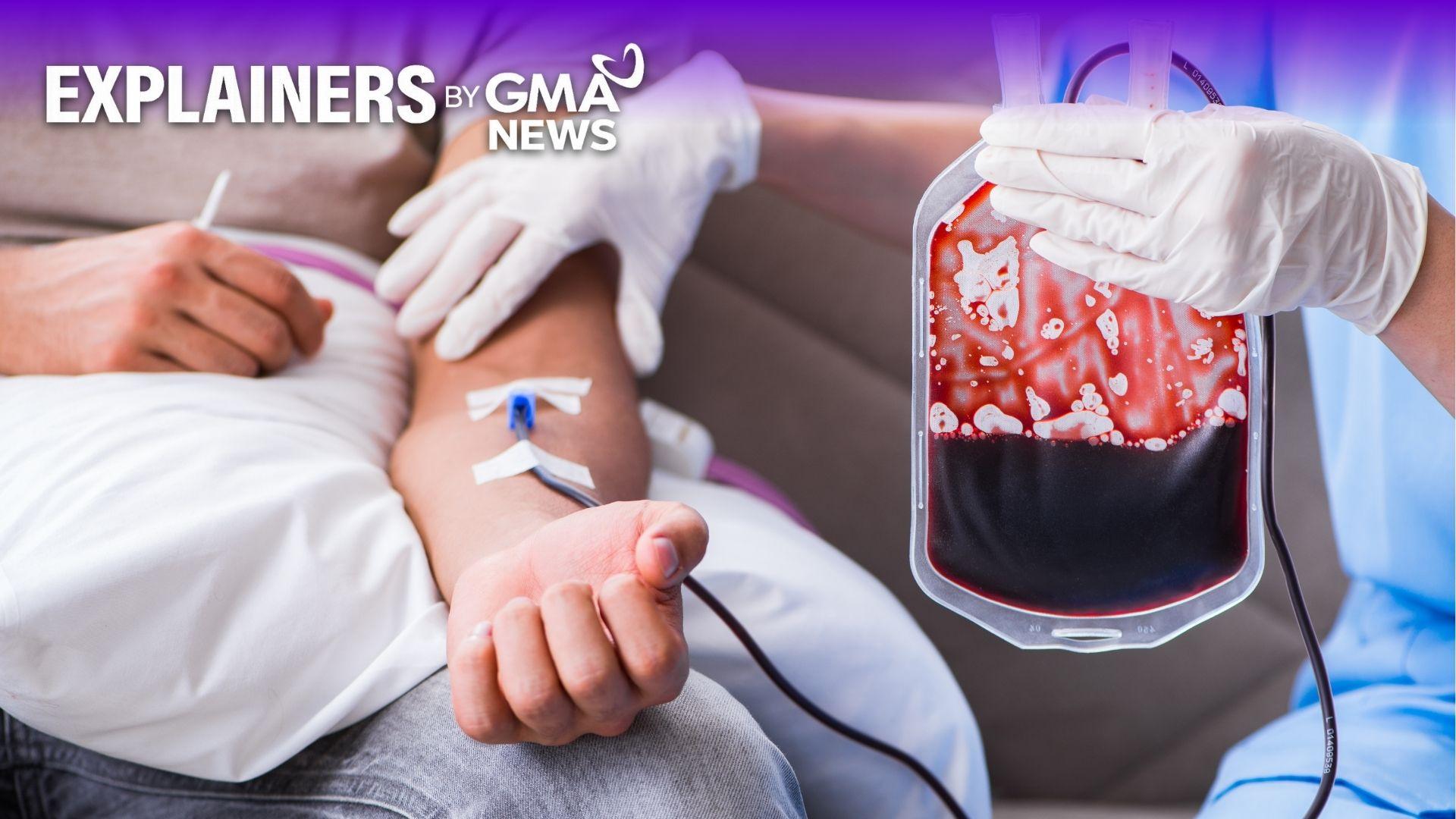
Donating blood can help save lives—but did you know it also comes with health benefits for donors?
On Friday’s “Unang Hirit,” Philippine Red Cross Secretary General Dr. Gwendolyn Pang said that healthy individuals can safely donate blood every three months, with the body naturally replenishing what is lost.
Here's what you need to know before rolling up your sleeve.
Benefits for the donors
While blood donation is primarily done to help patients in need, Dr. Pang said donors can also experience health benefits.
For men in particular, she explained that donating blood may help reduce excess iron in the body. Women, she added, already have monthly periods.
“Kapag walang buwanang regla, marami tayong excess na iron sa body,” she said, referring to men who do not lose blood through menstruation.
Too much iron may contribute to the hardening of the arteries and increase the risk of heart disease. Dr. Pang likened blood donation to a “change oil” for the body.
When blood is donated, the bone marrow is stimulated to produce new red blood cells to replace those that were lost.
Who can donate blood?
According to Dr. Pang, blood donors should meet the following qualifications:
- Be between 18 and 60 years old (or up to 65 years old for eligible donors)
- Weigh at least 110 pounds or 50 kilograms
- Be in good health
Before donating blood, she recommends:
- Getting at least five hours of sleep the night before
- Avoiding alcohol
- Eating a light meal before the donation
These steps help ensure donors are healthy enough for the procedure.
What happens before the donation?
Before blood is collected, every donor undergoes a free medical screening.
Healthcare personnel will check the donor’s weight, blood pressure, and hemoglobin level through a small finger-prick blood sample. A doctor also conducts a medical assessment to determine whether the person is fit to donate.
Once cleared, the blood donation itself takes only about five minutes.
How much blood is collected?
During each donation, about 450 cubic centimeters of blood, or roughly the equivalent of one glass of water, is collected.
Dr. Pang said the body naturally replenishes its red blood cells, allowing healthy individuals to donate again after three months.
For people who are nervous about needles, she said the discomfort is minimal.
She said donors may only feel a brief prick from the needle, adding that trained phlebotomists use high-quality, sharp needles designed to make the procedure as comfortable as possible.
What happens after donating?
After giving blood, donors are asked to rest for about five to 10 minutes while lying down. They are also given fluids to help replace the lost volume.
Most people can return to their usual daily activities afterward, although Dr. Pang advised avoiding heavy lifting immediately after donating. —JCB, GMA News

