

 GMA Brandtalk
 Tracking
 Archives

Why does it seem like a lot of women still get pregnant at 40 above?
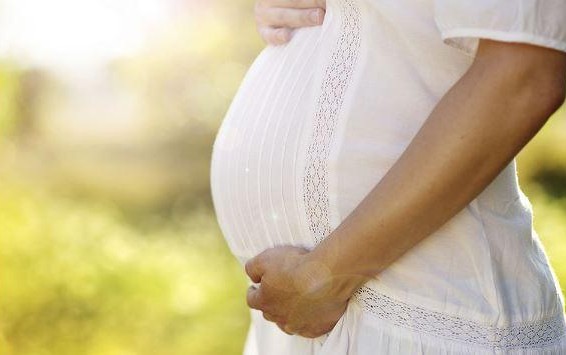
Welcome to Doctor's Corner, where medical experts from Makati Medical Center will answer health questions from readers! Got a question? Send them over to lifestyle@gmanews.tv.
Is it true getting pregnant becomes harder when you hit 35?
Yes, it does get more challenging to conceive when you hit 35. This is primarily because age does have an impact on fertility, which is the ability to get pregnant. For women, the peak reproductive years fall between their late teens and late 20s. The decrease in fertility speeds up once you reach your mid-30s and by the time you’re 45, it has declined to the point where getting pregnant naturally will be unlikely.
Aside from that, women are born with all the eggs (oocytes) their body will ever have – no more, no less. Though it usually numbers in the millions to begin with, the quantity and quality of the eggs decrease as you age too, until the official end of your menstrual cycle and menopause starts.
There is also a higher risk of complications associated with getting pregnant later in life, since more health issues tend to manifest as you get older. Some more common issues in the advanced maternal age (people who get pregnant at 35 and up) include taking longer to conceive, increase risk of gestational diabetes and high blood pressure during pregnancy, greater chances of a C-section delivery, premature birth, and low birth weight for the babies, and higher risks of certain chromosomal conditions and pregnancy loss.
These increased risk factors can also depend on the mother’s overall health and medical history, so it is key to make these risks a central part of the discussion for anyone considering getting pregnant at 35 or older.
Why are there so many women getting pregnant in their 40s?
Yes. We’ve covered how fertility declines with age, but even if a woman’s period becomes irregular [during perimenopause], it doesn't mean they cannot get pregnant anymore.
Remember that you are still ovulating during perimenopause, though it is unpredictable, and it (chance at pregnancy) doesn’t hit zero until menopause, which is defined as twelve full months without a period.
Your chances of getting pregnant in your 40s drop significantly, 10% in your early 40s and around 2-3% in your late 40s, but again that isn’t zero.
The consequences of an unplanned pregnancy in your later years can be serious due to the increasing risk of complications. So, if you want to avoid pregnancy, you will still need reliable contraception until your doctor confirms menopause. — LA, GMA News

