

 GMA Brandtalk
 Tracking
 Archives

Your guide to this year’s Simbang Gabi
#Pinned makes it easier for the young Filipino adult to discover the latest stories about fashion, food, travel, gadgets, activities, and shopping.
All our stories are written by young creatives who made it their life mission to know everything there is to know about how fellow young adults can make the most out of their limited down time every day, every week.
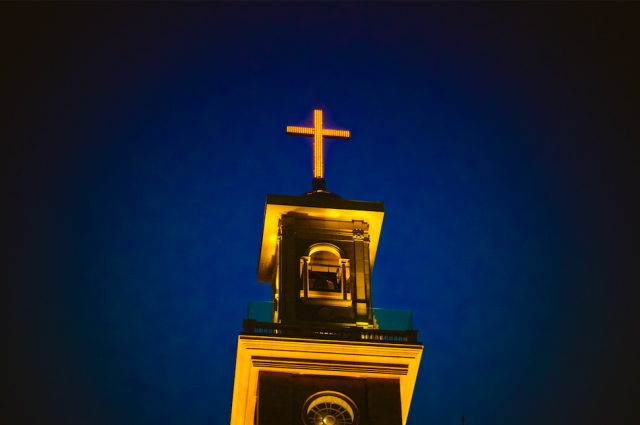
It’s beginning to look a lot like Christmas, these days. Most families have now hung their lanterns and Christmas lights outside their homes, while TV channels and radio stations have started playing Christmas carols. This means that Simbang Gabi is about to begin!
To help get you started, here's a handy guide for this year's Simbang Gabi.
The (super) early start
Simbang Gabi is a devotional nine-day series of masses held everyday from December 16 to 24 at around 4:00 to 5:00 am. It starts very early in the morning because in the 1500s, when Christmas season would begin, it is customary to have novenas at churches.
The novenas usually occur in the evening, but back then Filipino farmers would work in the rice field all day, and still attend the mass despite being very tired. So, as a compromise the church leaders decided hold to the mass before the farmers go to work in the early morning, instead at night time.
Of wishes coming true
It is a misconception among Filipino church-goers that if you complete the nine-day Simbang Gabi mass, your Christmas wish would come true. Church leaders have actually clarified many times before that you should not attend Simbang Gabi for the fulfilment of your wishes, but for the commemoration of the birth of Jesus.
The usual food after mass
Outside the church you would usually see vendors selling traditional Filipino kakanin, like bibingka and puto bumbong. Church-goers would usually stop by these stalls to buy the rice-based delicacies after attending Simbang Gabi. This habit also began during the Spanish era.
Back then, after attending the early mass, Filipino farmers would usually buy food sold in the church courtyard for breakfast. They would buy pastries made from rice, since those are cheap and filling. They would usually pair it with warm drinks, like salabat, tsokolate, and kapeng barako.
Lighting of lanterns
Nowadays, lanterns are considered as colorful decorations placed outside most Filipino homes during the Christmas season. Some of them are now made with tinsel and Christmas lights. But, that was not the case a long time ago. Originally made with bamboo sticks and paper, lanterns were used as lanterns by the Filipino villagers who would attend Simbang Gabi before sunrise. They helped the villagers find their way to the chapels and churches.
The Nativity Scene
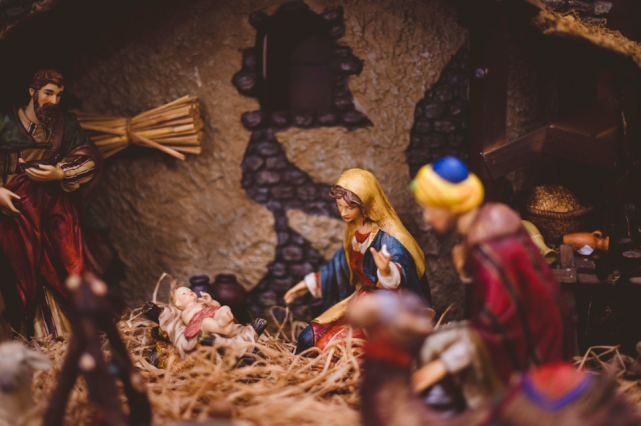
The nativity scene is a staple Christmas decoration in Filipino Catholic churches. It is also seen in some homes and schools. It depicts baby Jesus in the manger with Mary, Joseph, and the Three Wise Men. It is usually displayed until the Feast of Epiphany, which marks the end of the Christmas season in the Philippines.
Now that you're armed with relevant info about this traditional Filipino activity, all you have to prepare now is, of course, fortitude to wake up early in the morning in cold December for nine straight days.

