

 GMA Brandtalk
 Tracking
 Archives

Identity and individuality: Fashion creatives reflect on 2025 trends and what's next in 2026
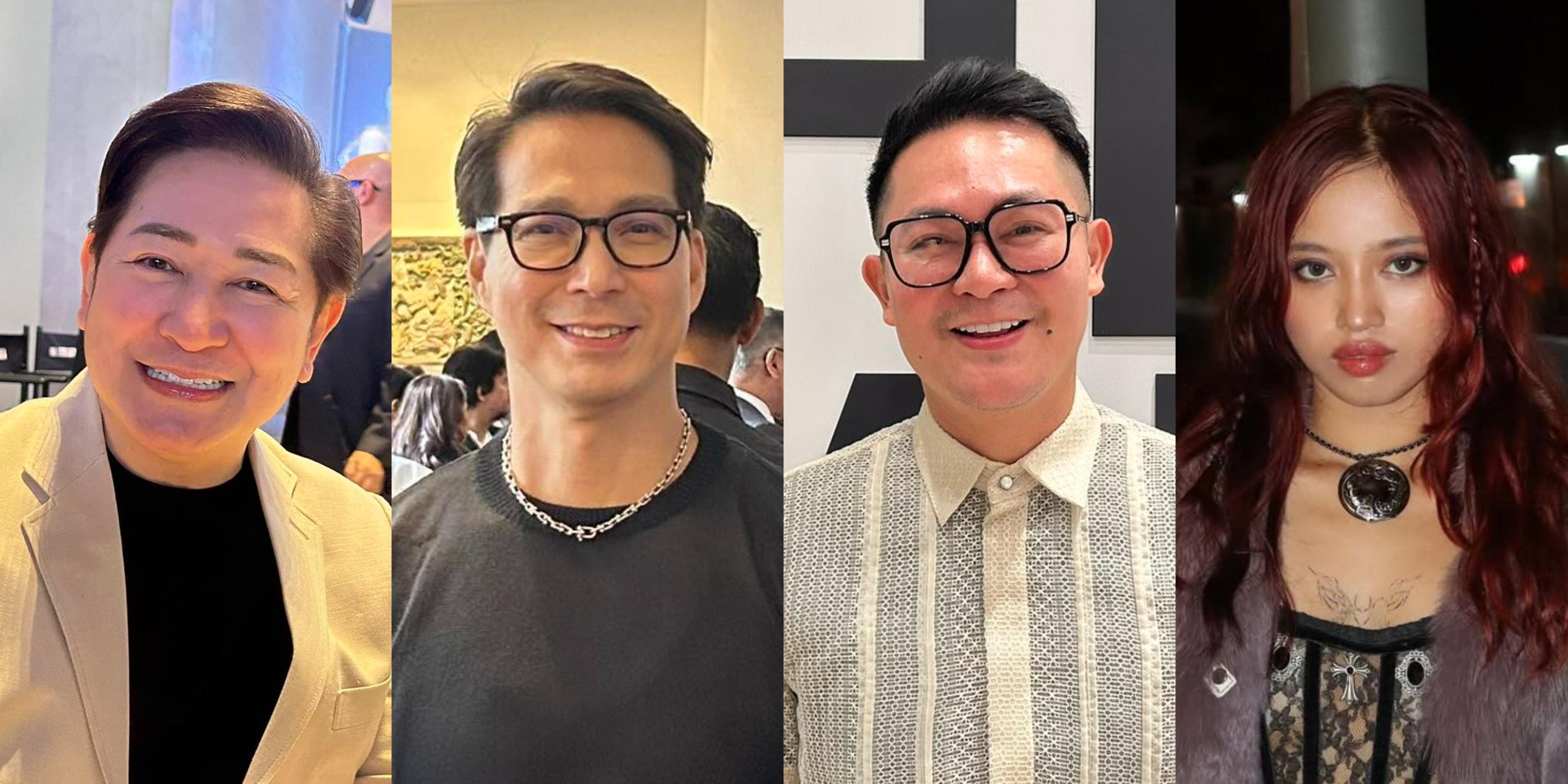
In the Philippines, where seasons are fewer and dressing is often dictated by climate and occasion, how a garment is worn is more important than what’s “in.”
For Paul Cabral, 2025 was less about defining trends and more about the wearer.
“What’s important is the quality of the fitting, the material, and the design. It depends on who is wearing it,” he said, noting that the industry leaned toward pieces that felt purposeful rather than dictated by fashion cycles.
Francis Libiran pointed to diversity in proportions, textures, and layering as a defining feature of the year.
“We’re putting a lot of identity right now as being Filipino,” he said, highlighting a growing sense of relevance without imitating international looks.
Modernized Filipiniana, which are barongs and Filipina tops reimagined with contemporary styling, also stood out, a trend noted by Michael Leyva, who emphasized confidence in wearing heritage pieces as a key factor in their appeal.
“It's a really good sign that our heritage and culture is really booming and doing good,” Leyva said.
Stylist Cha Fronteras observed a cultural shift away from the online-driven “clean girl” aesthetic.
“People went less clean and got bolder with chunky accessories, playful textures, and layering,” she said.
Deconstructed silhouettes, asymmetrical hems, and combinations of unexpected textures became visual proof of changing tastes. Yet comfort remained, integrated seamlessly with statement dressing rather than treated as a separate category.
Raffia material
Among textures and fabrics, raffia emerged as a recurring theme in both local and international collections.
It is a natural and versatile fiber that comes from the leaves of the Raffia palm tree, primarily from Madagascar, Africa, and Asia.
While the creatives were careful not to label it as a definitive trend, many acknowledged its growing visibility.
Libiran described it as a material deeply tied to Filipino craftsmanship, while Cabral noted a broader interest in natural fabrics, citing woven, banig-like textures appearing on runways.
“Raffia is very Filipino. And we see it all in the runway right now, which we're very used to that type of material. So, medyo ahead tayo on that,” Libiran said.
“Even like ‘yung lumabas mga Manolo Blahnik and Bottega [Veneta]. Parang gano’n. Parang banig,” Cabral noted.
Fronteras connected the material’s appeal—which she had also seen in collections of Zimmermann, Stella McCartney, and Jacquemus—to a wider desire for authenticity.
“After years of hyper-polished looks, raffia and woven materials felt more human, more crafted,” she said.
What’s next?
Looking ahead to 2026, designers and stylists expect continuity rather than dramatic shifts.
Libiran sees experimentation with proportions continuing, and the presence of Filipino materials like raffia being carried forward.
Cabral echoed this, agreeing that natural fabrics will remain relevant, while emphasizing that style ultimately depends on confidence and intention.
Leyva, meanwhile, maintained his stance of not following trends. Rather than predicting specific looks for 2026, he emphasized confidence as the defining factor.
“I just wanted people to just believe in themselves and be confident on what they're wearing. And pag-confident ka on what you're wearing on any particular day, kaya-kaya mo ‘yun. You'll do good,” he said.
Fronteras predicted that individuality and experimentation will define next year’s fashion.
“Minimalism will still remain, but there will be subtle details that will transform simplicity into something deliberate and intentional,” she said.
Accessories, particularly hand-focused pieces like custom rings, gloves, and statement jewelry, may become focal points as expressions of personal style.
—CDC, GMA Integrated News

