

 GMA Brandtalk
 Tracking
 Archives

ADVERTISEMENT
Filtered By: Lifestyle
Lifestyle
It's Coral Triangle Day at the Batangas resort Hamilo Coast
+
Make this your preferred source to get more updates from this publisher on Google.
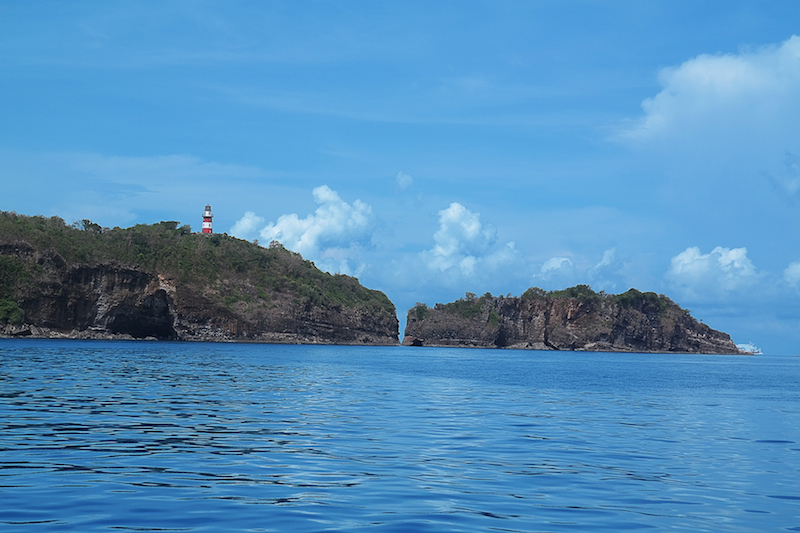
The upmarket seaside development Hamilo Coast in Nasugbu, Batangas has a lighthouse powered by solar energy. Photos courtesy of Hamilo Coast
On the contrary, if a fisherman tries to catch fish via the old fashioned hook and line, it might take him one whole day to catch even just two decent-sized fish. Where economics is concerned, any fisherman who is working to feed his family would choose the former method to get a bigger catch and to earn more money.
Unfortunately, cyanide kills corals and algae—which is why cyanide fishing and other destructive forms of catching fish are especially harmful in the Coral Triangle, the world's epicenter of marine life abundance and diversity
What is the Coral Triangle?
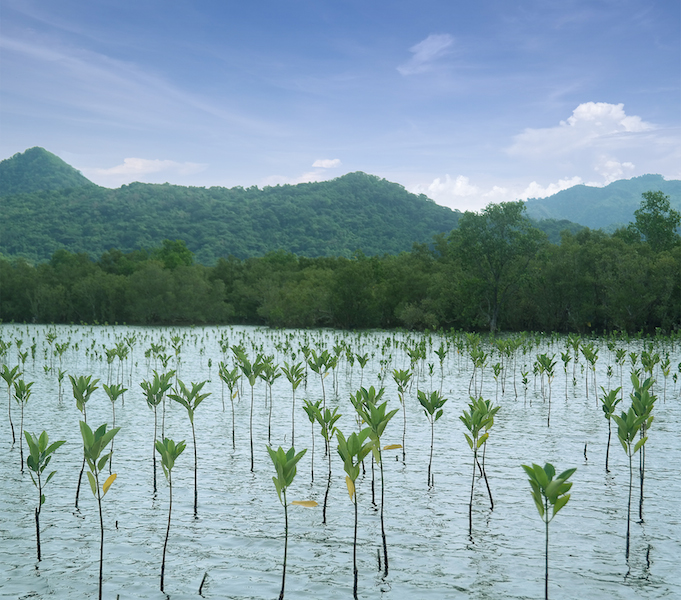
Papaya Cove hosts the largest mangrove area in Nasugbu.
According to the Coral Triangle Initiative on Coral Reefs, Fisheries and Food Security (CTI-CFF), a multilateral partnership among these six countries, the Coral Triangle is home to 76 percent of the world’s known coral species and 37 percent of the world’s coral reef fish species, plus commercially valuable species such as tuna, whales, dolphins, rays, sharks, and six of the world’s seven known species of marine turtles.
However, said the CTI-CFF, more than 85 percent of the reefs in the Coral Triangle are now being directly threatened by local human activities, including unsustainable fishing practices like cyanide fishing, poorly planned development, pollution, a growing population, as well as the effects of climate change.
Apart from this, the ocean is being overfished, which leads to the issue of sustainability. When the supply of seafood is compromised, the world’s food security and livelihood also become endangered. Stocks of Pacific bluefin tuna, for example, have decreased significantly. About 73 million sharks are also slaughtered each year for the lucrative shark fin trade.
According to World Wide Fund for Nature-Philippines (WWF-Philippines) president Lory Tan, “We have cut our fish stocks by 90 percent in the last 50 years. What will we do in 30 years, when the fish are gone and our population will be more than 100 million?”
Coral Triangle Day at Hamilo Coast
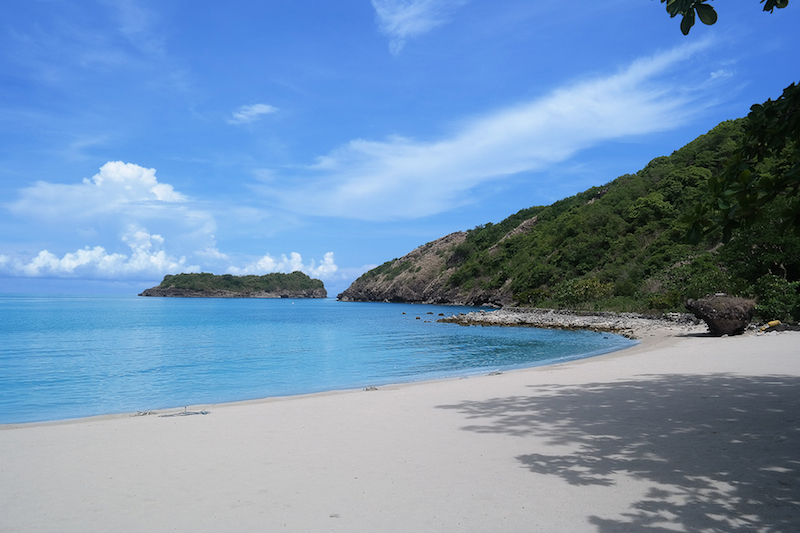
Santelmo Cove is Hamilo Coast's main marine sanctuary and home to over a hundred giant clams.
One of its initiatives is Coral Triangle Day. Held every 9th of June, it is an annual open-sourced event celebrated in the countries belonging to the region. It aims to promote better alternatives and viable solutions to protect the region’s marine wealth.
This year, the festivities were held in Nasugbu, Batangas and spearheaded by the WWF, Costa del Hamilo, Inc. (Hamilo Coast), and international celebrity chef Bobby Chinn.
Read: Why Bobby Chinn is more than just a celebrity chef
Hamilo Coast, which hosted the media event at which Chinn spoke, is the SM Group’s seaside leisure development in Nasugbu, where it has built several beach condominiums. The property also encompasses several marine-protected areas like Pico de Loro Cove and Santelmo Cove, where giant clams are being cultivated.
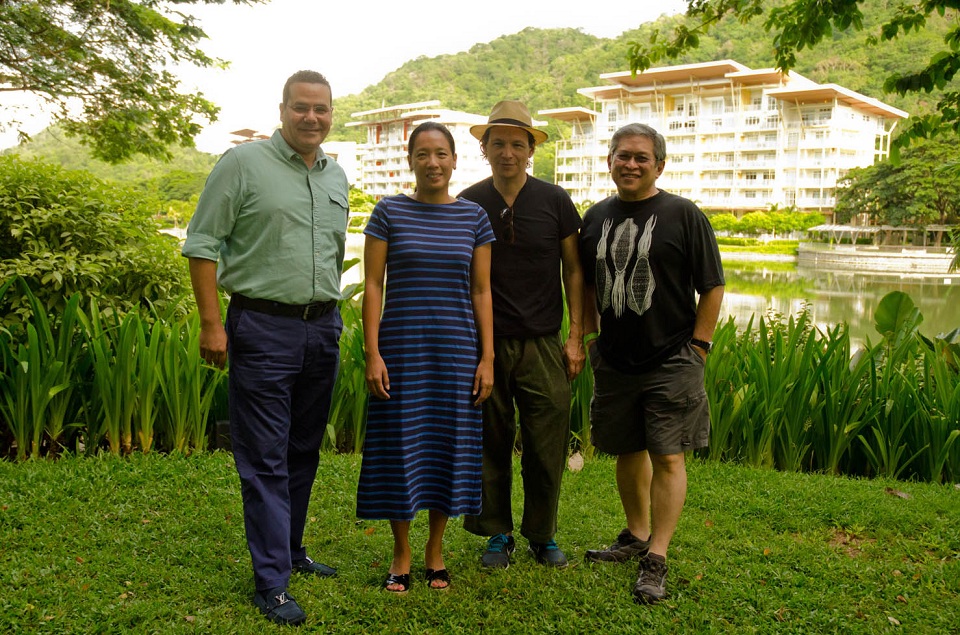
Celebrity chef and WWF ambassador for the Coral Triangle Initiative Bobby Chinn (second from right) and WWF-Philippines CEO Lory Tan (far right) pose by Pico de Loro Cove's lagoon with Costa del Hamilo, Inc. SVP for Operations Rona Torres-Tan and Pico Sands Hotel Area general manager Walid Wafik.
There is a desalination plant to treat seawater and make it potable. The waste management activities of employees and residents are also closely monitored, with guidelines set to ensure compliance with the waste-management standards of global eco-tourism certification bodies.
Bantay Dagat units have also been deployed in the area to guard against illegal fishing.
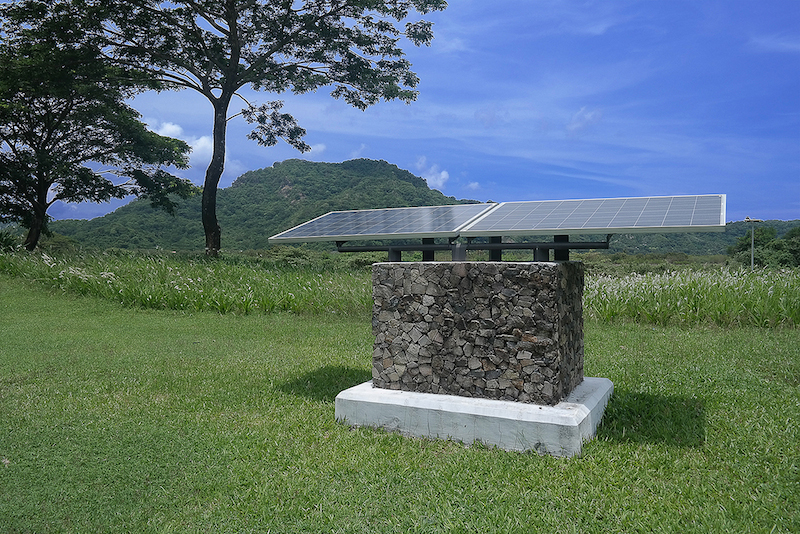
The Hamilo Coast development uses solar panels to power parts of the property, such as the street lights.

