

 GMA Brandtalk
 Tracking
 Archives

ADVERTISEMENT
Filtered By: Lifestyle
Lifestyle
Travel Smart: For the newbie globetrotter, some things to keep in mind before heading off
+
Make this your preferred source to get more updates from this publisher on Google.
 Even seasoned travelers can forget an important item that they should have when flying to other parts of the world, or forget to make arrangements that will make their stay there easier. If they can make mistakes, then those who are new to the business (or pleasure) of traveling should take extra care not to miss a step or forget a travel necessity. If you're a novice globetrotter, we've made a list of things for you to keep in mind before you head off on your big adventure.
Our two resource persons are expert explorers:
Katrina Nolasco works as a business analyst for an IT consulting firm to satiate her need to travel and accumulate enough books so she can spend retirement in eternal reading bliss. She also likes dogs.
Amanda Lago is a Manila-based writer on weekdays and an anywhere-based drifter on weekends and public holidays.
Here are their tips.
1. Know why you want to travel.
Katrina says: Knowing why you want to go someplace will set the tone of your entire vacation. It will help you figure out what kind of accommodations to book, what things to pack, and a rough guide of your itinerary.
2. Know your destination's peak/off-peak periods/days/seasons.
 Katrina says: Rates change between peak and off-peak days and this applies to both your means of transportation and accommodations.
For example, the usual mindset is to start one's vacation near the end of the week (Thursday and Friday) and to come back on Sunday before the next week starts, so airfares tend to spike during Fridays and Sundays. Departing on a Saturday and returning on a Tuesday gives you just as much vacation time at a lower cost.
Because people will want to use up as few leaves of absence as possible, an evening flight (after working hours) will tend to fill up faster and be more expensive than one that is scheduled mid-day.
However, red-eye flights can still be cheap because the flight schedules are at odd hours. Plus, if you tend to sleep on flights, then a red-eye is ideal. You board the plane, take a nap, and when you wake up, you're at your destination.
3. Be mindful of booking details, immigration requirements, customs policies.
Katrina says: Give your flight/confirmation bookings a second look. And a third. Some airlines will print military time schedules on their tickets. Others will be on a 12-hour time format. And even a jetsetter can miss a flight because of little details like this.
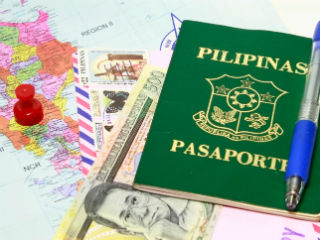 Check if your destination requires you to apply for a visa in advance or if they issue visas on arrival. Immigration laws are based on diplomatic ties and will definitely be dependent on the country that issued your passport.
When speaking to an immigration inspector, be honest, polite, and candid. This is one situation where throwing a fit does not get you what you want. Show your return ticket when asked. This serves as a guarantee that you will not overstay your welcome nor will you stay illegally within their borders.
When friends ask you to bring stuff for them when visiting, make sure you check whether these items can be brought into the country. You don't want to lose all your pocket money by being fined at the airport. You don't want to bring items that take up space in your luggage and then be confiscated at your destination.
3. Look up foreign exchange rates at least once.
Katrina says: This will give you an idea of how much money you need to bring with you. Also, round up. This forces you to overestimate your purchase a little bit and makes you think twice about impulse buys. Also take note that credit cards and withdrawing from local ATMs will charge at a slightly different rate from the market rates.
Call your credit card company. Let them know you'll be taking a trip. This will give them a heads-up that you are about to break your spending pattern (i.e. weekly movies and daily coffee runs) and anticipate foreign currency purchases.
4. Set a daily budget.
 Amanda says: As much as possible, know the cost of things (cab/tuktuk rides, entrance fees) before you get to your destination. Solo and new travelers in particular can be easy prey for those who are looking to make an extra buck, so knowing how much things really cost can help you one-up scammers.
Take public transportation over cabs. Aside from it being a great way to experience your destination firsthand, it's also cheaper and generally safe.
Katrina says: Going on a vacation and spending every minute of it keeping track of your expenses will defeat the purpose of a vacation. Set a fixed amount every day. Decide what this amount will cover: three meals? Meals and transportation? Once you've decided, let loose. Adjust a bit here and there. If you're 10 ringgit under budget today, then add it to tomorrow's budget.
5. Be prepared for emergencies, medical or otherwise.
Amanda says: If you are alone and you fall ill, you won't have anyone but yourself to help you get better. Bring at least the basic medicines (paracetamol, cough drops, antihistamines, diarrhea and anti-motion sickness meds) with you just in case.
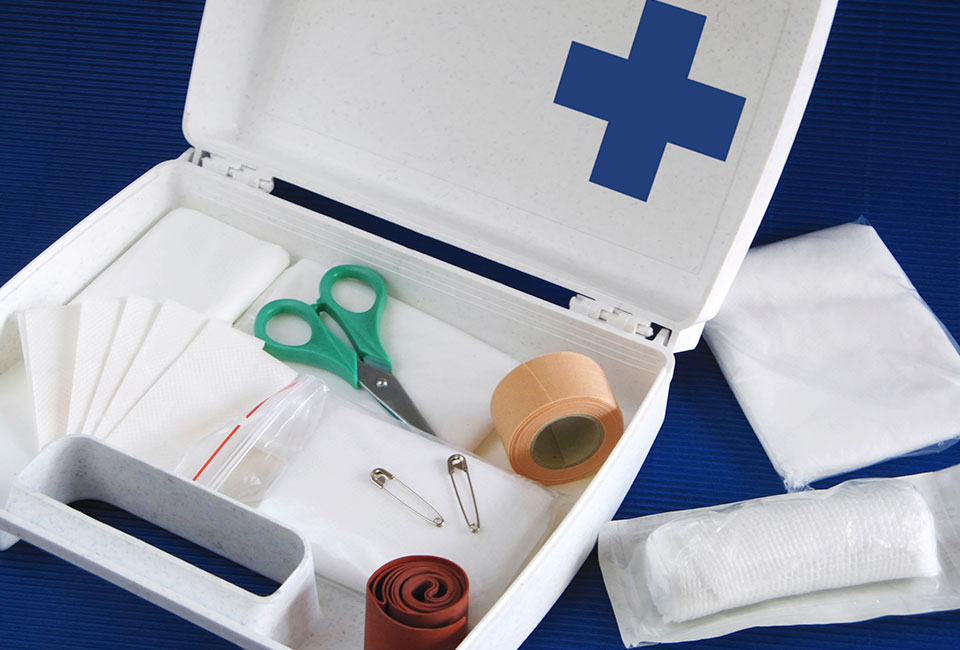 Also, prevent yourself from getting sick in the first place by taking daily vitamins, drinking lots of clean water, and being careful about what you eat.
Katrina says: Always, always take a photocopy of your passport when you travel. Your passport is your entry and exit pass at immigrations and losing it is not an option.
For countries that have a different writing system, make sure you keep a copy of your hotel address in their writing system or their local language. If you get lost, use that information to get you back on track.
6. Pack light
Amanda says: There's nothing worse than having to carry a 20-kg suitcase up three flights of hostel stairs. Invest in a good backpack and fit everything you need in it.
If you're going on a long trip, bring a small pack of detergent so you can do laundry and make your one week's worth of clothes last longer. Most hostels have laundry rooms where you can do this.
 Katrina says: Take only essentials with you. You don't need a 200ml bottle of shampoo for a 4-day vacation. Neither will you need 5 pairs of shoes, because you will end up buying two more pairs while souvenir shopping. Space and weight limits should be the least of your worries.
Go with a color scheme for clothing—let's say, only blues and purples. This will allow you to minimize the number of pieces that you bring and still create a flexible wardrobe.
Wear the heaviest piece of clothing during the flight. That thick coat and jeans are better off being worn than taking up precious space in your luggage.
Go for dual-purpose items such as dressy sandals that you can also use as slippers when in your hotel room. Bring a shawl that keeps the cold away but can also be used as a thin blanket for hanging out at the park.
7. Have a top 3 list
Katrina says: For short trips, make sure you have a top 3 list of destinations or restaurants to try. This makes sure you can accomplish what you set out to do in your trip. If there is extra time, you have the option of resting or seeing more of the area.
Allow for some time to get lost. Enjoy getting lost. Take your surroundings in.
8. Don't forget your charger
 Katrina says: Always bring your chargers, and make sure your gadgets are fully charged before leaving. Maximize free wifi and know when it's worth it to pay for internet while on the go. Internet access at airports tend to cost more.
You don't need an expensive adaptor with all the bells and whistles and the switches. Your local hardware store is likely to sell an omni adaptor for around P200 and it is compact and ergonomically designed for travel. Know what voltage their electricity runs on.
Bring a book. Just one book. Because you'll end up shopping anyway.
Download apps that will help you travel locally with ease. Taxi booking apps or local maps should be at the top of the list. There are apps that tell you the number of minutes until the next bus comes, or apps that give you directions from point a to point b and how to get there (whether by bus, train, or cab)
9. Get good accommodations
Amanda says: Pre-book your accommodations at least for the first night, so that you know where to head and have a place to change/rest/eat/etc. when you reach your destination. Rates are also often cheaper online.
 Hostels allow you to keep to yourself when you want to be alone, but are also a great place to make new friends and meet new people to explore your destination with.
Katrina says: If you'll be spending the entire day outside sightseeing, this is a good time to save on the hotel. As long as the hotel has running water and clean sheets, it should serve your purpose of having a place to stay.
However, if you intend to spend time indoors, then spending a bit more for hotel amenities would be worth it.
Once you're all settled in, and finished unpacking, step outside to get your bearings. take a look at the surrounding coffee shops, convenience stores and groceries that are within the vicinity. Take note of the nearest bus stop or train station.
 10. Learn how to ask people to take your photo
Amanda says: Let the selfie stick be your last resort! Approach people with a smile, and ask them nicely. Other travelers are more often easier to ask.
Always offer to return the favor. Better to bring a less-intimidating point-and-shoot along with (or even instead of) a DSLR. If you do bring only the latter, make sure the settings are in place when you hand it to the person taking your photo. — BM, GMA News

