

 GMA Brandtalk
 Tracking
 Archives

Touring Cebu City in style
Whenever I travel to a place I’ve never set foot in before, I try to sneak in a quick city or day tour in my itinerary. I believe it’s the best way of getting to know a destination, and I find it especially convenient when I only have limited time in that particular place.
I admit that I’ve been to Cebu a couple of times already. But I’ve never had the chance to do a city tour until my recent trip, and I’d never felt so welcome. The moment I stepped outside the airport, the Best of the Best Travel and Tours tour guide, Keane, greeted us—not just with a big smile, but with goodies as well.
It’s typical to see shuttle services in the driveway, but ours stood out because it came with treats like dried mangoes, otap, cold mineral water, and even cool face towels for freshening up. I felt pampered already and looked forward to my latest Cebu experience.
From religious sites to heritage houses
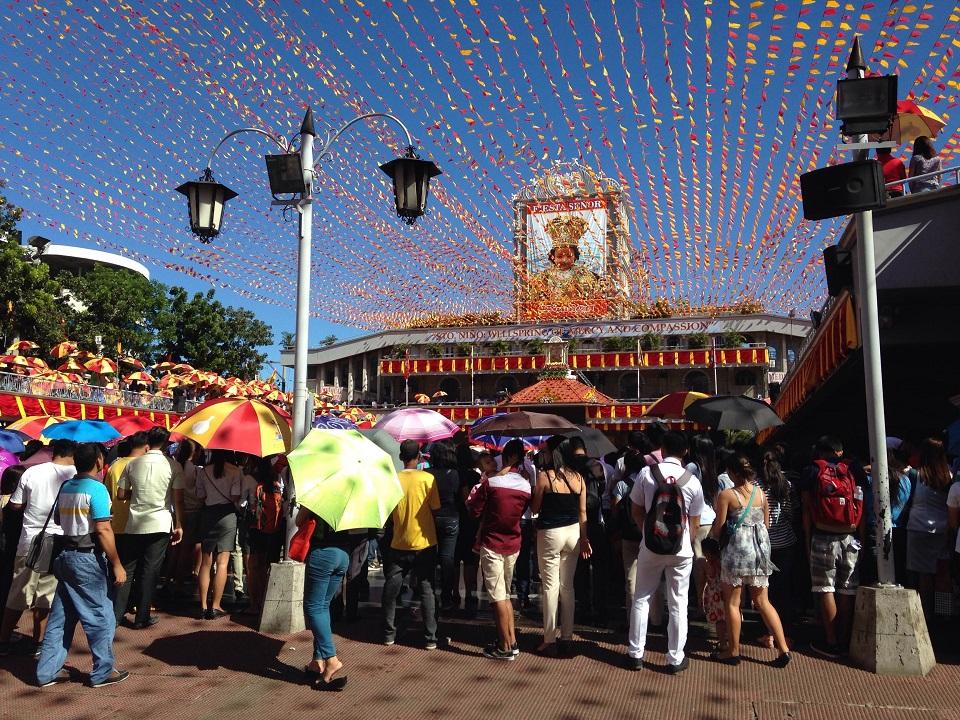
Our first stop in the city is the Basilica Minore del Sto. Niño de Cebu, where you’ll be awed by its impressive structure, as well as the people’s show of devotion. We happened to be there during the Sinulog Festival and we saw many devotees carrying effigies of the Sto. Niño while hearing mass.
With limited seating capacity, the church couldn’t accommodate all mass-goers; some had to stand outside, under the hot sun, while watching a live video on the big screen. It was like being in a religious concert where the rock star is Senyor Sto. Niño. Apparently, many locals don’t just treat their patron saint as another effigy; they actually look upon it as a living, divine infant. At the end of the mass, I saw folks raising their arms and shouting “Pit Senyor!” It was truly a sight to see.
I got a deeper understanding of their devotion when the tour guide called out an old lady holding long, thin candles in her hand to do a prayer dance. In exchange for a small donation, she handed us our candles, asked for our names, and prayed in the form of chanting and dancing.
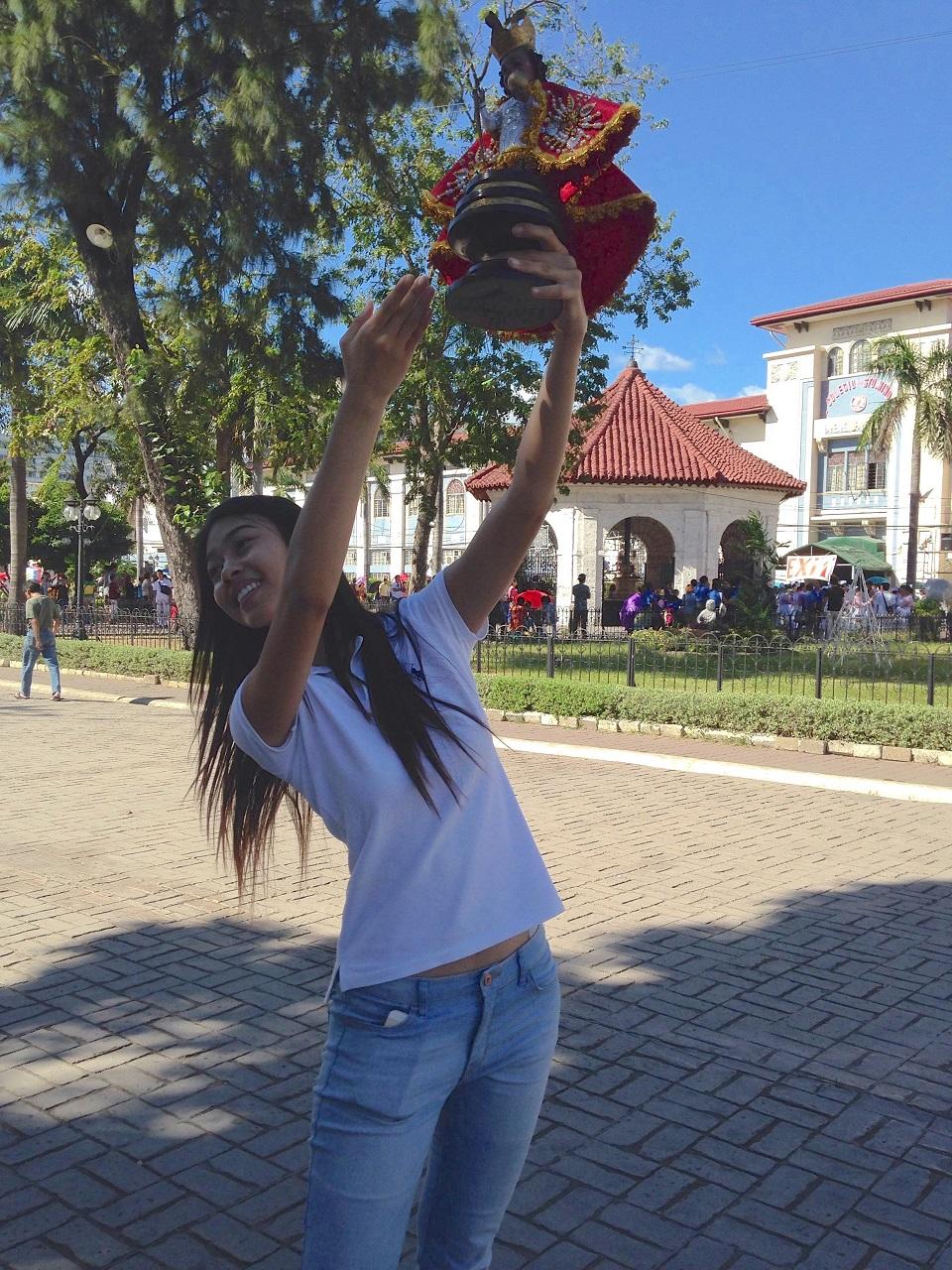
Another unique activity in this visit was a private dance performance of the 2015 Sinulog Festival Queen, Yanny Perserga. This beautiful young lady taught us a few dance steps, gracefully raising her arms while holding aSto. Niño statue. We were also given a chance to dance with her step-by-step. Although I was too shy to try the dance moves myself, I liked how this part of the tour was very interactive for the participants.
Next stop was the Heritage of Cebu Monument, an impressive work of art by renowned sculptor Eduardo Castrillo. This massive sculpture, situated in the original Plaza Parian, shows significant moments in Cebu’s history. It features Ferdinand Magellan and Lapu-Lapu, former Philippine President Sergio Osmeña, Saint Pedro Calungsod, the Sto. Niño Cathedral and more. Make sure bring your camera so you can capture pictures of this magnificent structure.

Just a few steps away is the Yap-SanDiego Heritage House, made of wood and coral stone. Built during the late 17th century, this house is one of the oldest existing structures in the country, and is probably the oldest Chinese house outside of China. It’s still 95 percent intact so visitors may get a guided tour of the vicinity for a small fee. You’ll just be asked to wear the booties provided when going up to the second floor where you can see a functional bedroom (where one of the family’s descendants still lives), and even more relics from the past.
Across the street is a hardware store—one containing an old Jesuit house built in 1730 and turned into a museum, the Museo Parian Sa Sugbo. The property owner, Jimmy Sy, was able to preserve the old house and turn it into a museum at his own expense.
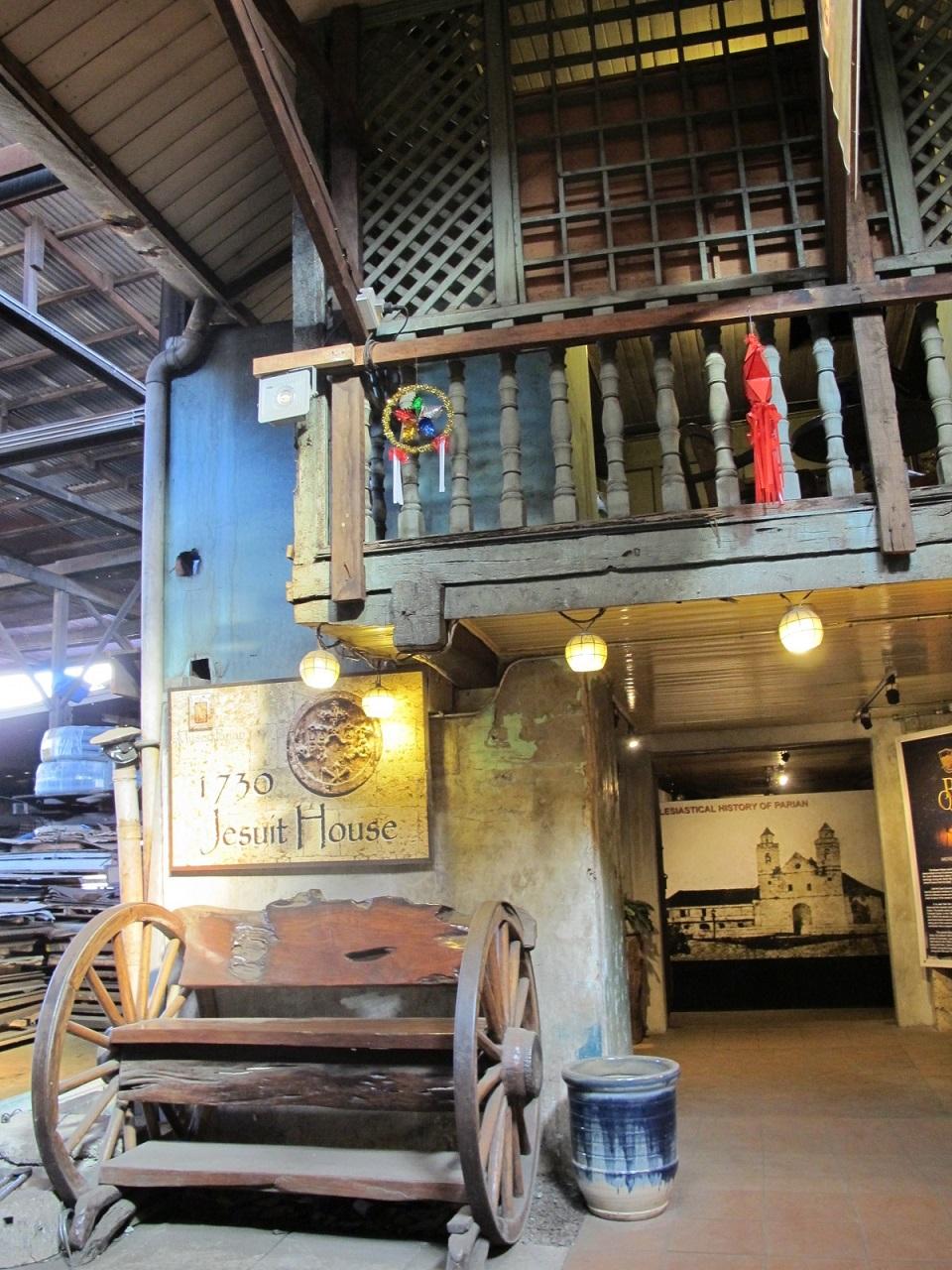
A museum volunteer guided us inside the premises, explained the history of the house, and showed us Chinese and Japanese artifacts and other valuable things from the olden times.
While reading the museum’s description, I stumbled across this sentence, “Like the Casa Gorordo and the Yap-SanDiego Ancestral House, Museo Parian gives a glimpse of how the important members of the society in Cebu lived during the 18th century.”
It really felt nice to see preserved old structures, which allowed us to get a glimpse of the past and learn more about the traditions and culture during that period.
Before the end of the guided tour, the tour operator even surprised us with a cool fruit shake to refresh us—with no less than their guide dressed up as a priest. I appreciate those little things that made this particular tour so unique and memorable. — BM, GMA News

