

 GMA Brandtalk
 Tracking
 Archives

Places in the PH where miracles were believed to have occurred: Bulacan's National Shrine of the Divine Mercy
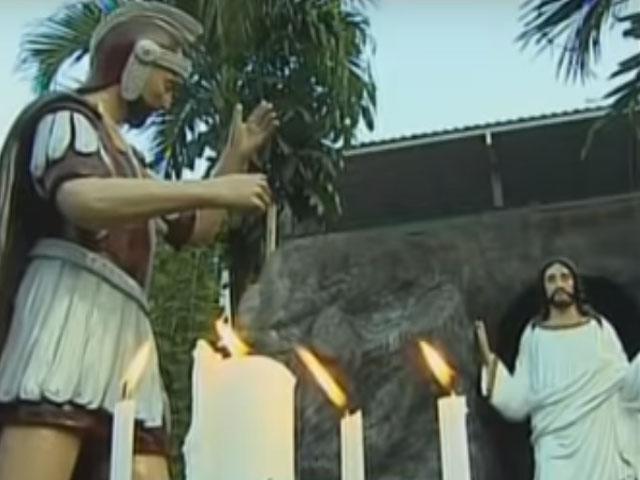
As we endure long travels home, embark on rituals like Visita Iglesia, and turn our attention to prayer and reflection, let's take a look at a number of places in the Philippines where miracles were said to have taken place.
While none of them have been authenticated by the Church, and some of them not disproven, all of them continue to draw devotees who come in hope, faith, and prayer.
Located in Marilao, Bulacan, the National Shrine of the Divine Mercy is among the country’s major pilgrimage sites.
Its establishment is largely credited to Fr. Vic Robles, who developed a deep devotion to the Divine Mercy after watching the 3 o’clock prayer on television in 1991.
Inspired by this experience, he began promoting the message of mercy within his parish, eventually initiating plans to build a shrine despite facing several challenges along the way.
The church was completed and became a parish in 1994, and a year later, it served as one of the pilgrimage sites during World Youth Day 1995.
Its growing significance to the faithful led to its elevation as a National Shrine by Orlando Quevedo, then head of the Catholic Bishops’ Conference of the Philippines, on January 26, 2001, with its formal proclamation held on November 30, 2002.
The parish houses a Grotto with miraculous water, which is believed to heal those who are sick.
Like Cebu's Simala Shrine and the Manaoag Church, the Divine Mercy Church has not undergone an official Church investigation regarding reported miraculous claims, Labisig said.
But, it is important to note that the “absence of formal recognition,” does not automatically invalidate the personal faith experiences of devotees, per Labisig.
“The Catholic Church neither fully endorses nor outright condemns individual testimonies of miracles. Instead, it exercises prudence, emphasizing that authentic miracles, especially those proposed for official recognition, must undergo rigorous theological, scientific, and canonical examination,” he explained.
In the Philippines, popular devotion plays a powerful and meaningful role. These shrines serve as spaces where faith is lived, expressed, and strengthened,” Labisig explained.
“While not all reported miracles are officially authenticated, the devotion inspires and continues to lead people toward prayer, conversion, and deeper trust in God,” he added.
And rather than focusing solely on verifying miracles, the Theologian noted that it is “equally important” to recognize the pastoral and spiritual value of these places as living testimonies of faith, hope, and the Filipino people’s enduring relationship with God. — LA, GMA News

