

 GMA Brandtalk
 Tracking
 Archives

From Hoi An with Love
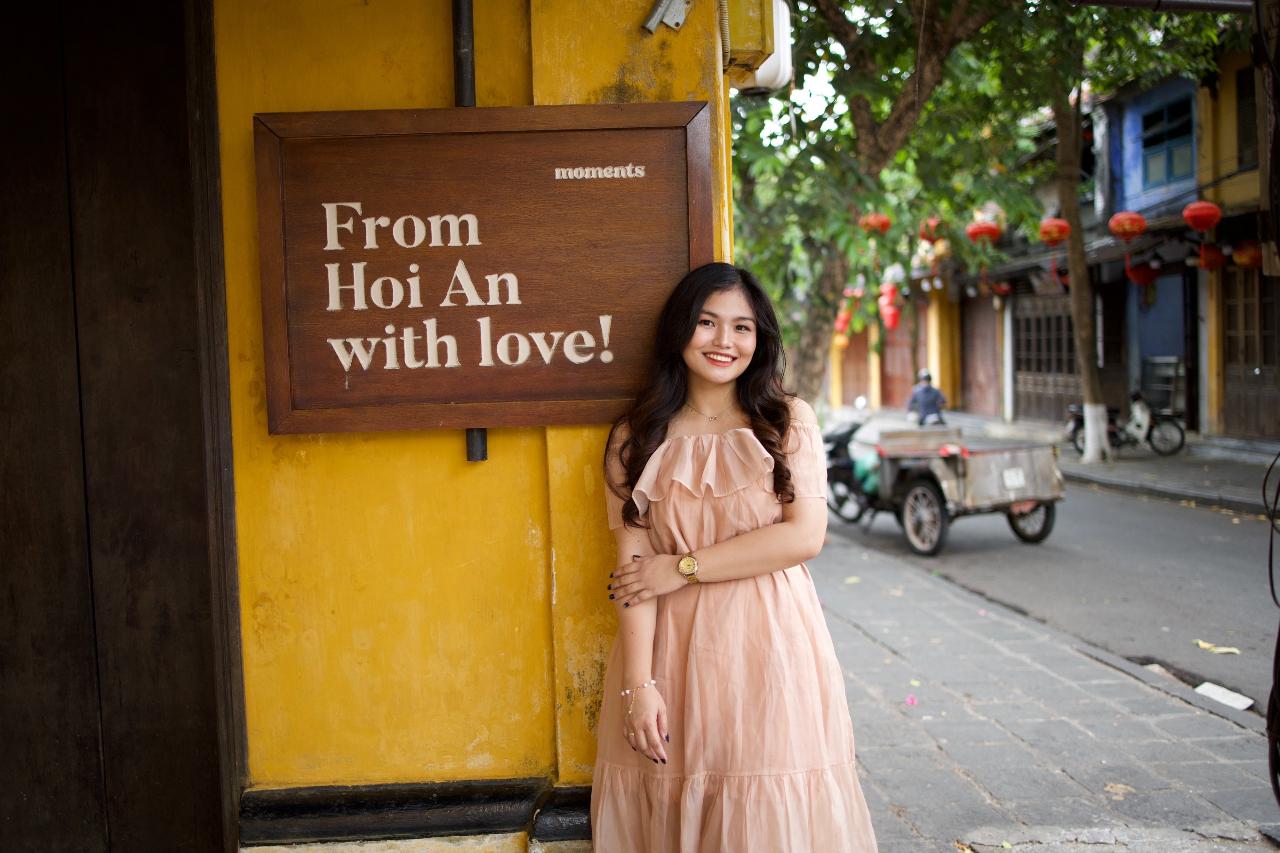
I
t was my second trip to Hoi An, and just like the first time, I found myself leaving with bags of coffee, a few souvenirs, and a promise to return. Some places are worth visiting once. Hoi An, however, is one of those places that makes you want to come back.
The first time I visited was in 2024. I had planned to return the following year for my birthday, but life got in the way. This June, I finally made it back. A lot had happened since my first time, but Hoi An felt familiar.
The lanterns still glowed over the river every evening. The old town was still crowded with travelers carrying cameras and shopping bags. There were tourists everywhere, speaking different languages as they wandered through the yellow-walled streets.
Before going back here, I had also seen videos where tourists say Hoi An is overrated. Too crowded, too touristy.
I understand where those comments come from. The city can get really busy, especially after sunset when visitors gather along the river for the lantern boats. Popular cafes have lines, and the famous photo spots are rarely empty. Add the summer heat to the mix, and it is easy to see why some travelers find the town overwhelming.
Maybe that’s also why many choose to visit only on a day trip. But I think spending just a few hours here misses the point.
T
he version of Hoi An that stayed with me was not the one that appeared on Instagram. It was the one I saw at 6 a.m. I woke up one morning before sunrise and borrowed a bicycle from our hotel. The lanterns from the night before still hung above the streets, but the crowds were gone.
I watched a woman sweep the sidewalk outside her shop while a cafe owner arranged chairs before opening for the day. Nearby, vendors prepared their stalls as the city slowly woke up around them.
The river was calm. The streets were quiet. The old town felt less like a tourist attraction and more like a place where people actually lived.
For the first time during my trip, I saw how Hoi An belonged to its locals.
I stopped for coffee along the way. It cost about 45,000 Vietnamese dong, a little over a hundred pesos, and it was one of the best cups I had all week.
This became a pattern.
Coffee in the morning. Walking in the afternoon. Lanterns at night. Somewhere in between, I ate more banh xeo than I probably should have. A local told me the crispy Vietnamese pancake is usually enjoyed during the rainy season. I visited in the middle of summer and devoured it anyway.
By the end of the trip, I had accumulated bags of coffee, a leather handbag, keychains, and enough souvenirs to make packing a challenge. Yet what fascinated me most about the town was not what I bought. It was how the city had turned its culture into an experience.
T
there is a reason Hoi An’s Ancient Town was designated a UNESCO World Heritage Site in 1999. The city is one of Southeast Asia’s best-preserved trading ports, with influences from different cultures reflected in its architecture and history.
But what impressed me was not the recognition itself. It was what the people did with it. The lanterns, the silk shops, the tailors, the leather workshops, the cafes, and the boat rides all feel connected to the city’s identity.
Tourism here does not seem to exist separately from local culture. Instead, local culture is what draws people in. And somehow, it works.
What struck me most was how ordinary some of Hoi An’s attractions actually are. I mean, the river is beautiful, but it is still a river. The lanterns are simple objects and old buildings are charming, but they are not the grandest structures in Asia.
Yet together, they create something that attracts millions of visitors from around the world. Hoi An did not become famous because it had something nobody else had.
It became famous because it found a way to celebrate what was already there.
A
s I walked through the city, I could not help but think about the Philippines. We have historic towns. We have rivers. We have local crafts, talented artisans, and communities with stories worth sharing. We have places that are just as worthy of attention.
However, it sometimes feels like we are still learning how to tell those stories.
Hoi An reminded me that tourism is not always about building something new. Sometimes it is about recognizing what already exists and giving people a reason to care about it.
Perhaps that is why I keep wanting to come back. Not because of the lanterns. Not because of the photos. Not even because of the coffee, although that certainly helps.
I keep wanting to go back because Hoi An is a place that knows exactly what it is and is not afraid to share it with the world.
B
efore leaving, I bought more coffee than I needed and a few souvenirs I probably did not need either. But the biggest thing I brought home was a question.
If a small riverside town in Vietnam can turn its history, culture, and everyday life into something people from around the world want to experience, what more could places in the Philippines become if we learned to tell our own stories just as well?
Maybe that is why Hoi An keeps drawing people back. Not because it is perfect or quiet. And certainly not because it is undiscovered. People return because beneath the crowds and camera flashes is a town that has found a way to stay true to itself.
I know because I came back too... and that I will probably do it all over again.
With love, from Hoi An. —JCB, GMA News

