

 GMA Brandtalk
 Tracking
 Archives

NRDC eyes P30B private investments to rehabilitate degraded forestlands
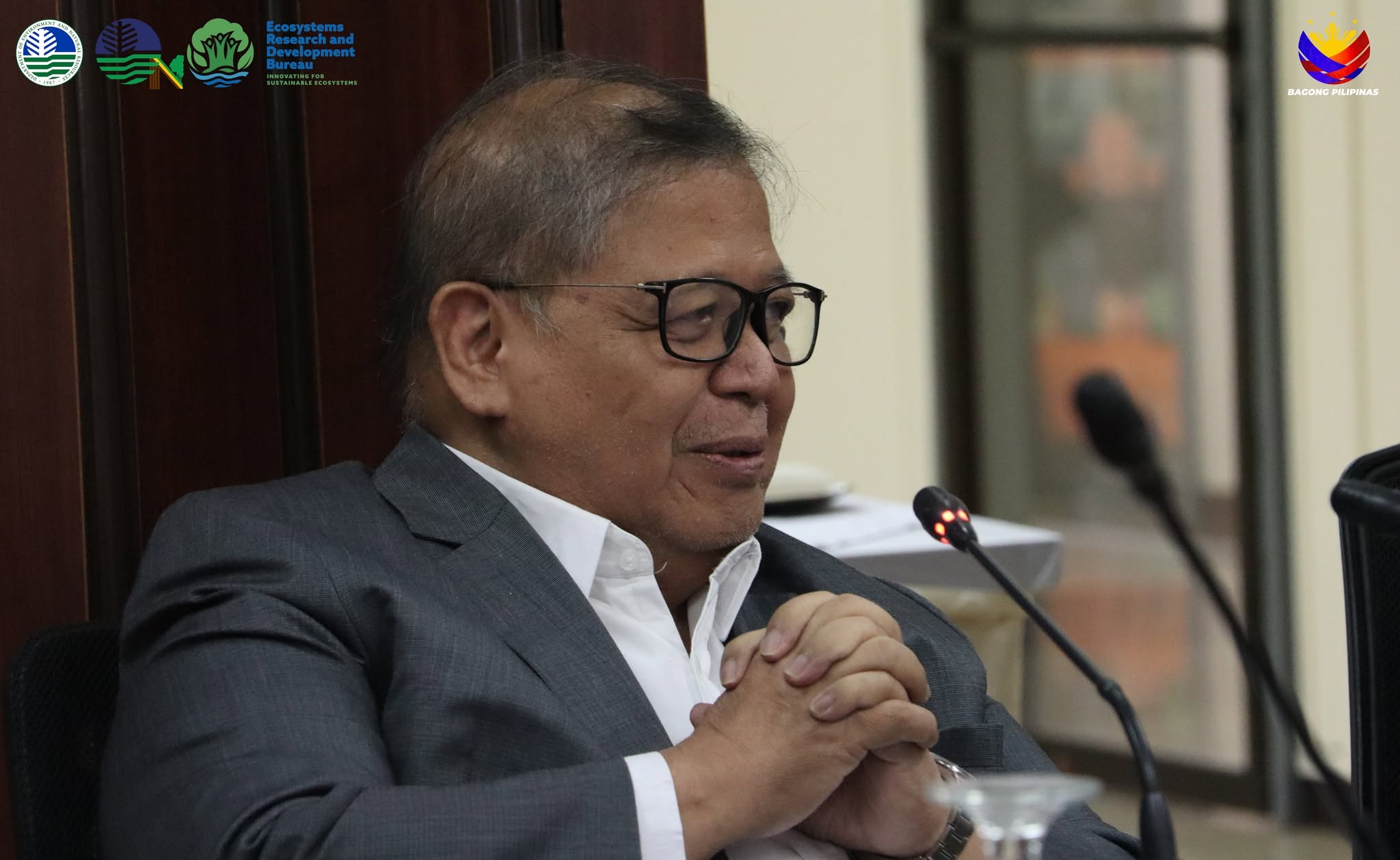
The Natural Resources Development Corporation (NRDC), the corporate arm of the Department of Environment and Natural Resources (DENR), is launching an initiative to rehabilitate degraded forestlands and turn them into productive agricultural and forestry estates through private sector investments.
In a chance interview on the sidelines of the ASEAN Agribusiness Summit on Saturday, NRDC president and CEO Judge Benjamin Turgano (Ret.) described the initiative, called the Integrated Natural Resources Estates, as a "transformative project."
“We are waging a very transformative project, the Integrated Natural Resources Estates,” Turgano said.
He said the country has 16 million hectares of forestlands, but only seven million hectares remain covered by forests, leaving the rest degraded or denuded.
“And therefore, the government is saying, ‘Do something about it, regenerate it, make it productive, make these idle lands productive because the people need it,’” Turgano said.
Under the initiative, the government will no longer directly fund reforestation as it has traditionally done. Instead, it will facilitate access to land through long-term leases of 25 years, renewable for another 25 years, for a maximum term of 50 years.
Private investors will provide the capital, while local farmers and marginalized communities will serve as partners in implementing the projects.
The integrated estates will support the cultivation of agroforestry crops, including cacao, coffee, bamboo, coconut, ube and avocado.
“We are coming in as an integrator,” Turgano said.
“We are integrating the private sector, the farmers, and the government into one integrated estate that would work for forest regeneration, agroforestry... all of this. And we have all the forests to plant for these things,” he added.
Turgano said the program could attract around P30 billion in domestic and foreign investments.
“There are those who believe that these projects would at least attract about P30 billion from the private sector,” he said.
To ensure the projects are economically viable and environmentally sound, the NRDC is partnering with academic institutions nationwide to provide scientific and evidence-based guidance on crop selection, soil suitability and forest management.
A ceremonial launch is scheduled for early next year at the Davao Oriental State University campus. The NRDC also plans to replicate the model at other state universities.
“We cannot do this by assumptions. We have to do it scientifically and evidence-based,” Turgano said. — VBL, GMA News

