

 GMA Brandtalk
 Tracking
 Archives

Ajinomoto Cebu powers up with 100% renewable energy
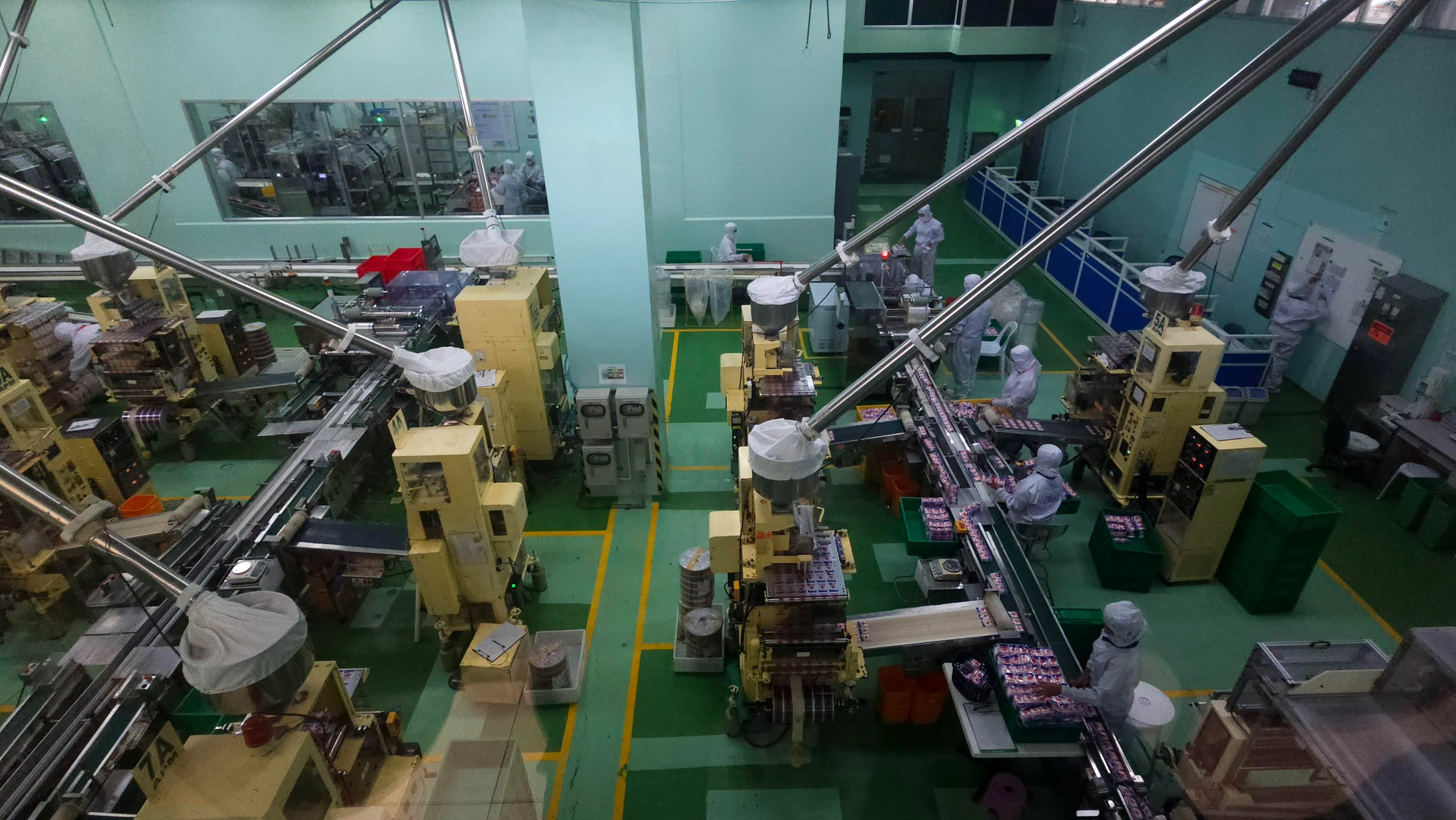
Ajinomoto Philippines Corporation (APC) has officially completed the full transition of its Cebu factory to 100% renewable energy.
This development, announced at a ceremony in Dusit Thani Mactan on April 4, 2025, is part of APC’s goal to slash its environmental impact by 50% by 2030.
It also marks the completion of APC’s commitment to renewable energy across all its factories in the Philippines.
"This is not just a corporate achievement—it's a benchmark for sustainability across industries," said Koichi Ozaki, President of Ajinomoto Philippines Corporation.
"Our 2030 roadmap is clear. We are dedicated to reducing our environmental footprint by 50 percent," he added.
All Factories Green
The Cebu factory's transition follows its Bulacan facility shift to renewable energy, which it completed in December 2023.
Together, both factories now operate entirely on renewable energy for their electricity needs.
"We are proud to be the first Ajinomoto Group affiliate to achieve this significant milestone," Ozaki said.
In an interview, Ernesto Carlos, Chief Sustainability Officer at APC, said the move will help avoid approximately 2,500 to 3,000 metric tons of CO2 equivalent emissions annually at the Cebu site, complementing the 6,500 metric tons avoided at Bulacan.
"Bulacan is quite a big factory so they consume more energy compared with Cebu, which is a little bit smaller in size," he said.
The shift doesn't see the Cebu facility generating its own renewable energy. Instead, it is supplied with renewable energy from ACEN Renewable Energy Solutions.
"Kindly note that renewable energy is kind of scarce at this moment, because of limited supply, limited facilities," Carlos said.
"But with our effort to partner with ACEN, of course... we were able to keep on pushing for our factory in Cebu to be given a slice of the pie," he added.
Sustainability Unplugged
Shifting to renewable energy is one of the biggest ways to curb climate change and stay within the 1.5C degree warming as stated in the Paris Agreement of 2015.
Sheila Mina, Vice President of ACEN Renewable Energy Solutions, echoed the urgency of addressing climate change, saying "2024 is now the warmest year on the planet, and global temperatures have exceeded pre-industrial levels by over 1.5Celsius for the first time."
"These are not just headlines; they are urgent reminders," she added.
According to Mina, the company’s decision not only reduced its carbon footprint but also contributed to new renewable energy projects.
"This isn't just about offsetting emissions, it’s about creating new renewable energy capacity that helps the entire region," she said.
"Sustainability is a shared effort... we hope more companies will follow," she said.
Zeroing InAjinomoto's 2030 sustainability roadmap includes a commitment to reduce its environmental impact by 50% globally, which APC has already surpassed.
"Although we have the same target of 50% reduction, currently we are more than 50%," Carlos said.
APC has been doubling down its sustainability efforts, introducing paper packaging for products coming from its Bulacan factory.
"Well, aside from, of course, paper packaging, we also have reduction of our plastics in the environment collection," Carlos said, adding the company is also working on plastic waste reduction through recycling initiatives.
In March, APC announced it was removing extra plastic bags in bundling its sachet products and is replacing it with paper bands, an important step in reducing plastic waste and curbing the massive problem of plastic pollution.
They are also transitioning to electric vehicles (EVs) for logistics, moving finished goods from one of their distribution centers.
As for waste management, APC’s ultimate goal is to become a zero-waste company by converting waste into something usable, and preventing it from ending up in the environment.
"What we are doing is to convert this [waste] into [something] usable. Like, for example... paper or plastic films. So, this one goes into the cement factory for raw material. And our food — we call it animal waste — our powder, they are converted into animal feeds," Carlos said.
One of the ongoing challenges for APC is supporting its suppliers in adopting renewable energy and extend sustainable practices across its supply chain.
"That's our next and future plans. To involve also our upstream. These are our suppliers to embark on similar journey like ours, sustainability," Carlos said.
What's Next?Looking ahead, APC's sustainability efforts will focus on minimizing Scope 3 emissions, which refer to emissions from downstream activities like product distribution.
"One of our biggest challenge now is the Scope 3… meaning these are our downstream activities, meaning our distribution of our products," Carlos said.
While the Bulacan factory has already introduced the use of paper packaging, Mr. Teddy Wong, Factory Manager of Ajinomoto Philippines Flavor Food, Inc., said the transition to paper packaging in Cebu presents challenges, particularly in the higher costs of paper and the environmental impact of sourcing it.
"Mas mahal ang paper. Tsaka siyempre may tama sa mga puno 'yun... Alam mo naman ang batas natin sa Pilipinas, parang pag once na nagputol ka na isang puno, 100 ang kapalit eh," Wong said.
"Dapat magkaroon din kami ng yung parang pag naggamit ka ng ganito, meron kang tatanim na ganoon ka dami... para mag farm ka ng tree," Wong said.
As APC continues to champion sustainability in the food industry, it aims to stand as an example of how corporate responsibility can shape a better, cleaner future.
The question isn’t if others will follow suit — it’s how soon. — LA, GMA Integrated News

