

 GMA Brandtalk
 Tracking
 Archives

LWUA to lead probe of PrimeWater; firm commits cooperation
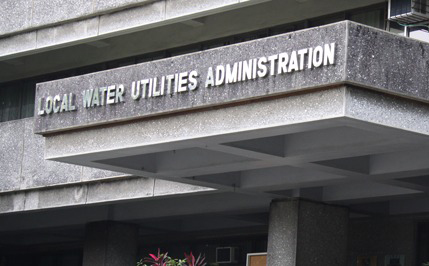
The Local Water Utilities Administration (LWUA) on Friday announced it will be the lead agency that will conduct an investigation into PrimeWater’s alleged services deficiencies.
In a statement, PrimeWater said it welcomed “any opportunity for an open and meaningful dialogue to resolve concerns and commit to cooperating with LWUA.”
The company added that it is intensifying its initiatives to address the requirements and satisfy the demand particularly those in challenged areas.
“Rest assured that we remain fully committed to fulfilling our obligations with our partners to deliver the long-term improvements necessary for stable, reliable, and sustainable water in our service areas,” PrimeWater said.
The LWUA on Friday announced it will be the lead agency that will conduct an investigation into PrimeWater’s alleged services deficiencies.
In a statement, LWUA said that “it affirms its full readiness to lead a comprehensive investigation into the alleged deficiencies in service delivery by the private water service provider,” in response to President Ferdinand Marcos Jr.’s “directive to address mounting complaints against PrimeWater Infrastructure Corp.”
President Ferdinand ''Bongbong'' Marcos Jr. ordered an investigation into the operations of PrimeWater Infrastructure Corp. due to numerous service-related complaints.
Palace Press Officer Undersecretary Atty. Claire Castro said the Marcos administration does not tolerate insufficiency of services, noting that the needs of the public must always be provided.
LWUA Administrator Jose Moises Salonga explained that under Presidential Decree No. 198, the agency is mandated to regulate and supervise all local water districts (LWDs), adding that it is responsible for the development, oversight, and provision of technical assistance to LWDs to ensure the efficient, safe, and sustainable delivery of potable water nationwide.
The agency said many LWDs have entered into joint venture agreements (JVAs) with private companies, from 2013 to 2019, in an effort to address persistent challenges in infrastructure, operations, engineering, and financing.
“At the time, LWUA’s capacity to support the capital and operational needs of many water districts was constrained. Faced with these limitations, LWDs turned to JVAs as a way to access critical investments and improve water services,” said Salonga, noting that while LWUA was not a signatory to such JVAs, the agency retains full regulatory oversight of LWDs.
To proactively address the President’s directive, LWUA said has issued a regulatory call requiring all LWDs with existing JVAs to submit their contract documents and the most recent annual performance reviews of their joint venture partners.
This review aims to identify:
- Breach in service delivery standards
- Implementation gaps and non-compliance
- Issues in enforcement and arbitration mechanisms embedded in the agreements
“As regulator, LWUA’s role is to protect both the consumers and the water districts. At the same time, we are mindful of the legal rights and obligations of private partners under the JVAs. Striking this balance is key to ensuring accountability and improving service outcomes,” said Salonga.
For his part, LWUA Chairman Ronnie Ong said the agency is “determined to uphold the rights and welfare of every Filipino in accessing clean and reliable water.”
“We will work closely with stakeholders, local water districts, and concerned agencies to implement the President’s directive with transparency, integrity, and urgency. As stated by our Administrator, LWUA stands ready to lead this process,” said Ong.
With this, LWUA said that is undertaking all necessary and appropriate measures to “thoroughly investigate service complaints, hold responsible parties accountable, and ensure that water services provided through LWDs meet the highest standards of quality, reliability, and public trust.” — BAP, GMA Integrated News

