

 GMA Brandtalk
 Tracking
 Archives

SEC issues guidelines to expand Islamic financing
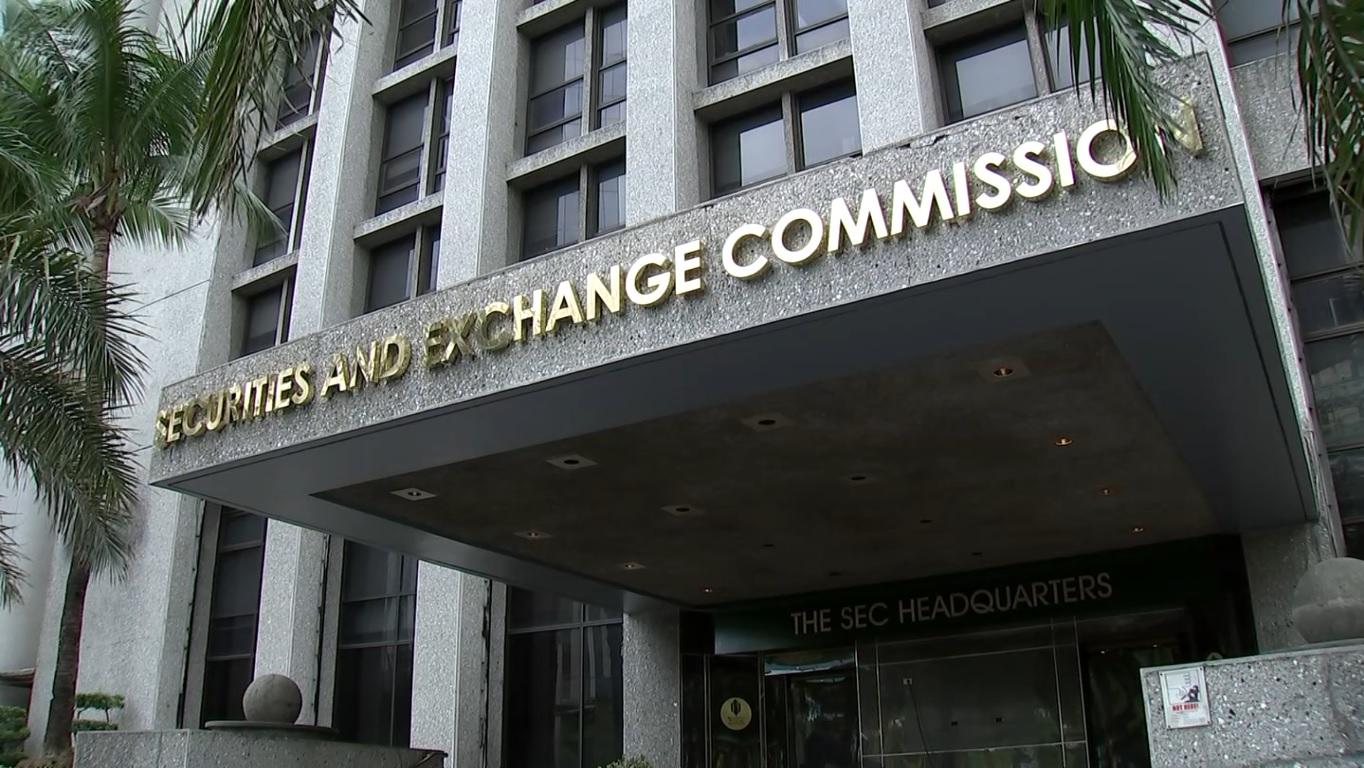
The Securities and Exchange Commission (SEC) on Thursday announced it has issued the proposed guidelines which would pave the way for sukuk bonds issuances in the Philippines as part of the government’s efforts to develop the Islamic capital market and expand investment opportunities.
In a statement, the SEC said it issued, on November 26, for public comment the proposed guidelines on the issuance and disclosure of sukuk.
The proposed guidelines will provide for the regulatory framework for sukuk issuances in the Philippines, ensuring Shari’ah compliance and investor protection.
The corporate regulator said the draft introduces enhanced disclosure standards, clearer Shari’ah governance mechanisms, and strengthened investor safeguards aligned with international sukuk practices.
“Sukuk refers to certificates of equal value representing undivided investment, interest in or rights to the underlying assets, usufructs and services or projects undertaken in accordance with Shari’ah principles,” the SEC said.
The draft guidelines shall apply to all sukuk issuances that are not exempted under Section 9 of Republic Act No. 8799, or the Securities Regulation Code (SRC), it added.
Under the draft guidelines, sukuk intended for public offering should be registered with the commission, and may be listed, traded, and settled in accordance with the rules of an SEC-registered exchange, fixed-income market, or other registered organized market.
It added that Special Purpose Entities (SPEs)—incorporated and registered with the SEC, and compliant with SEC regulations—may be created specifically for sukuk issuances.
The corporate regulator said SPEs should be incorporated separately from the originator, and be established primarily for sukuk issuance and holding the assets for sukuk holders and should also adhere to international standards for sukuk issuance, including Shari’ah principles.
The SEC, moreover, said eligible issuers of sukuk will also include publicly listed companies and non-listed stock corporations; the national government, its agencies or instrumentalities; local government units; government-owned and -controlled corporations; banks supervised by the Bangko Sentral ng Pilipinas, including Islamic banks; and SPEs formed by such entities, consistent with the exemptions under the SRC.
These measures aim to ensure transparent sukuk structures, safeguard investor interests, and align local issuances with global Islamic finance standards, according to the commission.
The SEC said the issuance of sukuk may be made using Shari’ah-compliant structures, including Sukuk Ijarah, or lease-based sukuk wherein assets are sold and leased back to the issuer; Sukuk Murabahah, or cost-plus margin financing sukuk for fixed-price sales transactions; and Sukuk Istisna, or financing sukuk to raise funds for manufacturing or construction projects.
The corporate regulator said the following structures will also be allowed:
- Sukuk Wakalah bil Istithmar, or agency-based sukuk wherein a wakeel (investment agency) is appointed to invest on behalf of holders in specified assets
- Sukuk Mudarabah, or profit-sharing sukuk, where one party provides funds and the others expertise
- Sukuk Musharakah, or joint venture sukuk representing co-ownership of assets or projects
Other sukuk structures may also be allowed, upon approval by the SEC in accordance with Shari'ah principles, it said.
The SEC said issuers must ensure that all contracts, asset arrangements, and transaction flows are supported by clear documentation demonstrating Shari’ah compliance.
Issuers will either establish its Shari'ah Committee or appoint a Shari’ah advisor to certify that the sukuk structure and underlying assets comply with Shari'ah principles, the commission said.
“The Shari’ah Committee or advisor will provide guidance and oversight to ensure that all aspects of the sukuk transaction, from issuance to maturity, adhere to Shari'ah principles and will oversee the monitoring and audit of the Shari’ah compliance,” the SEC said.
“This oversight mechanism is intended to uphold market integrity and build investor confidence in Islamic capital market instruments,” it said.
The SEC said the public may provide comments on the draft memorandum circular until December 12. —VAL, GMA Integrated News

