

 GMA Brandtalk
 Tracking
 Archives

SEC revises rules on corporate ownership reporting
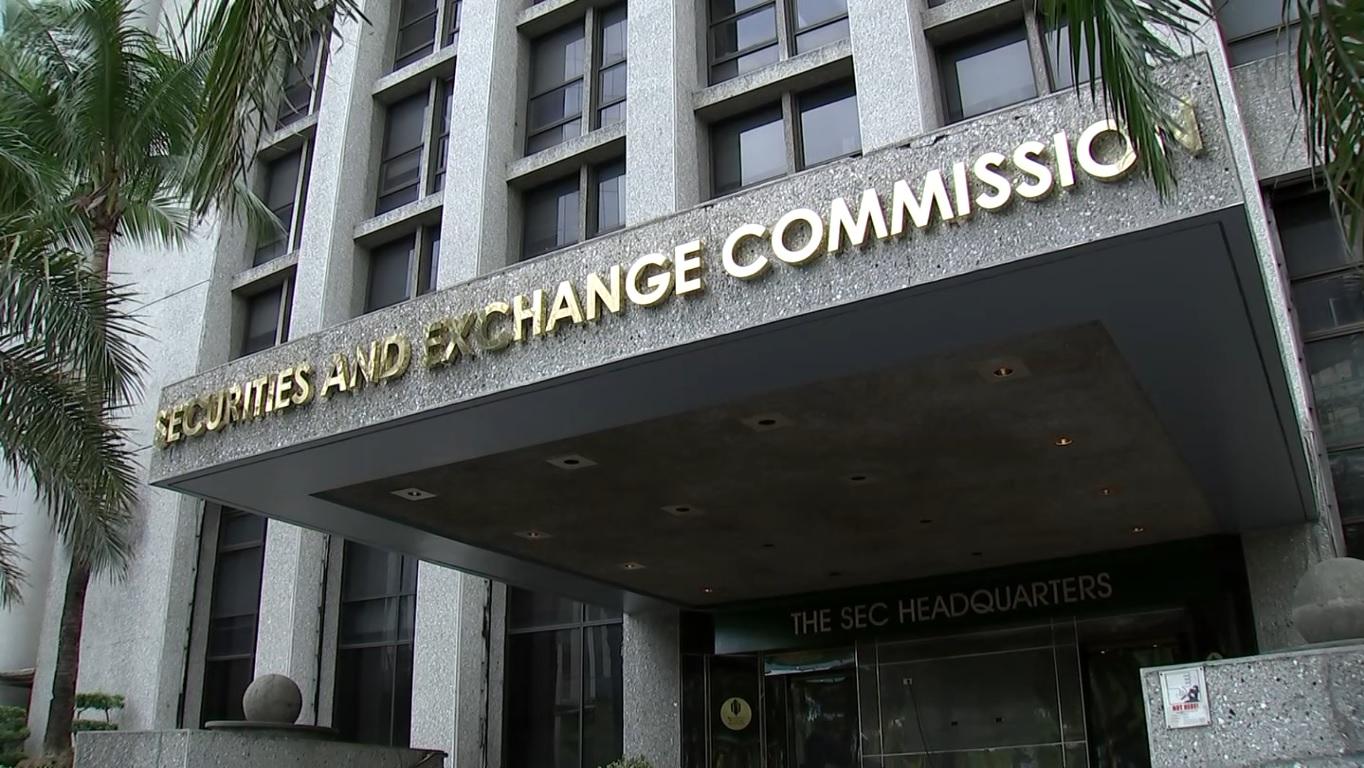
The Securities and Exchange Commission (SEC) on Tuesday said it has issued revised rules on beneficial ownership (BO) disclosures aimed at improving transparency and accountability and preventing the misuse of corporate entities for illicit activities.
In a statement, the SEC said it issued SEC Memorandum Circular (MC) No. 15, or the Beneficial Ownership Disclosure Rules of 2026, which consolidates existing regulations governing the submission of BO information.
The circular will take effect on January 1, 2026.
The 2026 rules apply to domestic and foreign corporations, partnerships, and one-person corporations (OPCs) under the SEC’s jurisdiction, including relevant officers, shareholders, and other covered persons.
“Strengthening transparency in beneficial ownership is a key regulatory reform to reduce the risk of corporate entities being misused for illicit activities,” SEC Chairperson Francis Lim said.
“The 2026 rules streamline existing disclosure processes and allow the Commission to make better use of structured, high-quality data, ensuring that authorized authorities can access reliable and timely information for lawful purposes,” Lim added.
The SEC said the updated rules add checks to make sure information on a company’s real owners is accurate, allow only authorized government agencies to access the data under strict safeguards, and require disclosure of individuals who own at least 20% of a company, in line with Anti-Money Laundering Council rules.
The corporate regulator said the circular also strengthens disclosure requirements, mandates nominee reporting, and requires timely notifications of changes in beneficial ownership.
Under the 2026 rules, beneficial owners are classified A to I, based on ownership interests and various forms of control or influence over a corporation.
Category A covers natural persons who own, directly or indirectly through a chain of ownership, at least 20% of the voting rights, voting shares, or capital of the reporting corporation.
The other categories cover beneficial owners who exercise control over the reporting entity, have the power to elect a majority of the board of directors or trustees, or exert dominant influence over corporate affairs, among others.
The SEC said beneficial owners’ identifying and contact information, details necessary to establish beneficial ownership, and the date an individual became a beneficial owner must be disclosed.
The regulator added that it may require the submission of additional documents related to BO declarations as part of its visitorial powers under Section 178 of Republic Act No. 11232, or the Revised Corporation Code of the Philippines.
The SEC said the 2026 BO rules will lay the groundwork for establishing a Beneficial Ownership Registry, an online platform dedicated to the submission of BO data.
At present, BO information is submitted through the Electronic Filing and Submission Tool (eFAST) as part of the General Information Sheet (GIS). Under the new rules, all BO disclosures will be submitted through the BO registry, and the BO section of the GIS will be removed.
Submission through the registry will begin once the SEC formally announces that the platform is fully operational, the SEC said, adding that the system does not impose a new reporting requirement but enhances and streamlines the existing BO disclosure process.
The BO registry will be fully integrated with eFAST to ensure consistency with current filing procedures.
Newly registered corporations will be required to submit BO information upon incorporation or registration, while existing entities must submit updated BO information with their next GIS filing. Any change in beneficial ownership must be reported to the SEC within seven calendar days.
The SEC said the corporate secretary or duly authorized representative of a domestic corporation, the resident agent of a foreign corporation, or the single stockholder, trustee, administrator, or executor of an OPC is responsible for ensuring the accurate and timely disclosure of BO information.
The 2026 BO rules also impose penalties for failure to disclose beneficial ownership based on retained earnings or fund balance.
Stock corporations with retained earnings of less than P500,000 may be fined P50,000 for a first violation, increasing to up to P500,000 for a fourth violation.
Non-stock corporations with the same fund balance may face fines of P25,000 for a first violation and up to P250,000 for a fourth violation.
Submission of false BO information may result in a fine of up to P2 million and possible dissolution of the corporation, the SEC said.
Directors, trustees, or officers who fail to exercise due diligence in BO disclosure may be fined P50,000 for a first violation, rising to up to P1 million for a fourth violation, after due notice and hearing.
In cases of false declaration, responsible officers may also be fined up to P1 million and disqualified from serving as directors, trustees, or officers of any corporation for five years, the SEC said.—MCG, GMA Integrated News

