

 GMA Brandtalk
 Tracking
 Archives

Global airline shares battered, airfares surge as Iran war pushes oil above $100
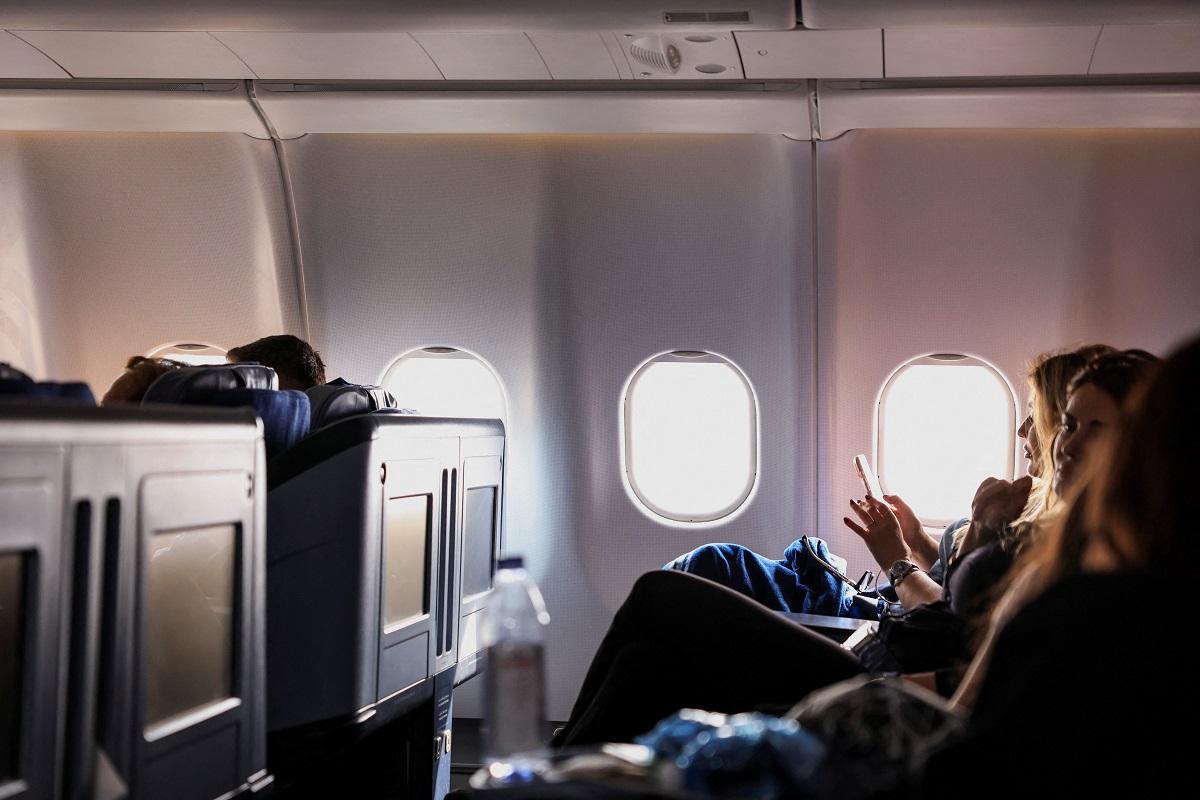
HONG KONG/FRANKFURT — Airline stocks were hammered on Monday, while airfares soared as the US-Israeli war with Iran sent oil prices surging, sparking fears of a deep travel slump and the potential for the widespread grounding of planes.
Oil prices jumped 15% to above $105 a barrel, hitting levels not seen since 2022 as some major producers cut supplies and fears of prolonged shipping disruptions gripped the market. At one point, Brent crude futures jumped as much as 29%.
Some jet fuel prices have doubled since the start of the conflict, piling pressure on carriers already navigating tight airspace as pilots reroute to avoid the Middle East conflict and thousands of stranded passengers try to leave the region.
"Absent near-term relief, airlines around the world could be forced to ground thousands of aircraft while some of the industry's financially weakest carriers could halt operations," Deutsche analysts said in a note to clients.
Fewer leisure travelers in the offing?
In Asia, airline shares tumbled, with the worst-hit including Korean Air Lines which slid 8.6%, Air New Zealand down 7.8% and Hong Kong's Cathay Pacific which dropped 5%.
In Europe, Air France KLM, British Airways-owner IAG, Wizz Air and Lufthansa fell between 2.5% and 6% in morning trade, while major US airlines were down about 4% in pre-market trading.
Underscoring that pain on the consumer side were jumps in ticket prices. Direct flights from Seoul to London on March 11 with Korean Air Lines, for example, leapt to $4,359, from $564 seven days earlier, according to Google Flights data.
"The issue for the airlines now is that travel demand may be curtailed as costs become prohibitive for leisure travelers and as some companies start to limit business travel due to the uncertain outlook," said Lorraine Tan, director of equity research, Asia at Morningstar.
The impact of high airfares could limit travel demand for much of 2026, Tan added.
Fuel is the second-largest expense for air carriers after labor, typically accounting for a fifth to a quarter of operating expenses. Some major Asian and European airlines have oil hedging in place, but US airlines largely stopped the practice over the last two decades.
Conflict adds 'significant cost' for airlines
High prices could have severe implications for the industry.
"If crude is rising 20%, jet fuel is rising several times more as it is even more scarce, adding significant cost to operations together with crew resources, which are stretched due to longer flying times when airspace is closed," said Subhas Menon, head of the Association of Asia Pacific Airlines.
The Deutsche analysts noted that a sharp spike in jet fuel costs in 2005 in the aftermath of hurricanes Katrina and Rita resulted in widespread and significant damage to the industry, including major airlines Delta and Northwest filing for Chapter 11 bankruptcy that year.
Since February 28, when the US-Israeli war on Iran started, through March 8, more than 37,000 flights to and from the Middle East have been cancelled, according to data from Cirium.
With airspace severely constrained, airlines have been forced to reroute flights, carry extra fuel or make additional refueling stops to guard against sudden diversions or longer flight paths through safer corridors.
Combined, Emirates, Qatar Airways and Etihad normally fly about one-third of passengers from Europe to Asia and more than half of all passengers from Europe to Australia, New Zealand and nearby Pacific Islands, according to Cirium.
In Oman, Muscat International Airport has asked private jet operators to avoid using the site for "additional flights," giving priority to government and commercial flights as fresh airspace closures hit the region's attempts to increase travel.
Flights to Iraq, Syria, Lebanon and Jordan by Turkish Airlines, AJet, Pegasus and SunExpress have been cancelled until March 13, Turkish Transport Minister Abdulkadir Uraloglu said on Sunday. — Reuters

