

 GMA Brandtalk
 Tracking
 Archives

PAL says jet fuel supply sufficient amid global oil volatility
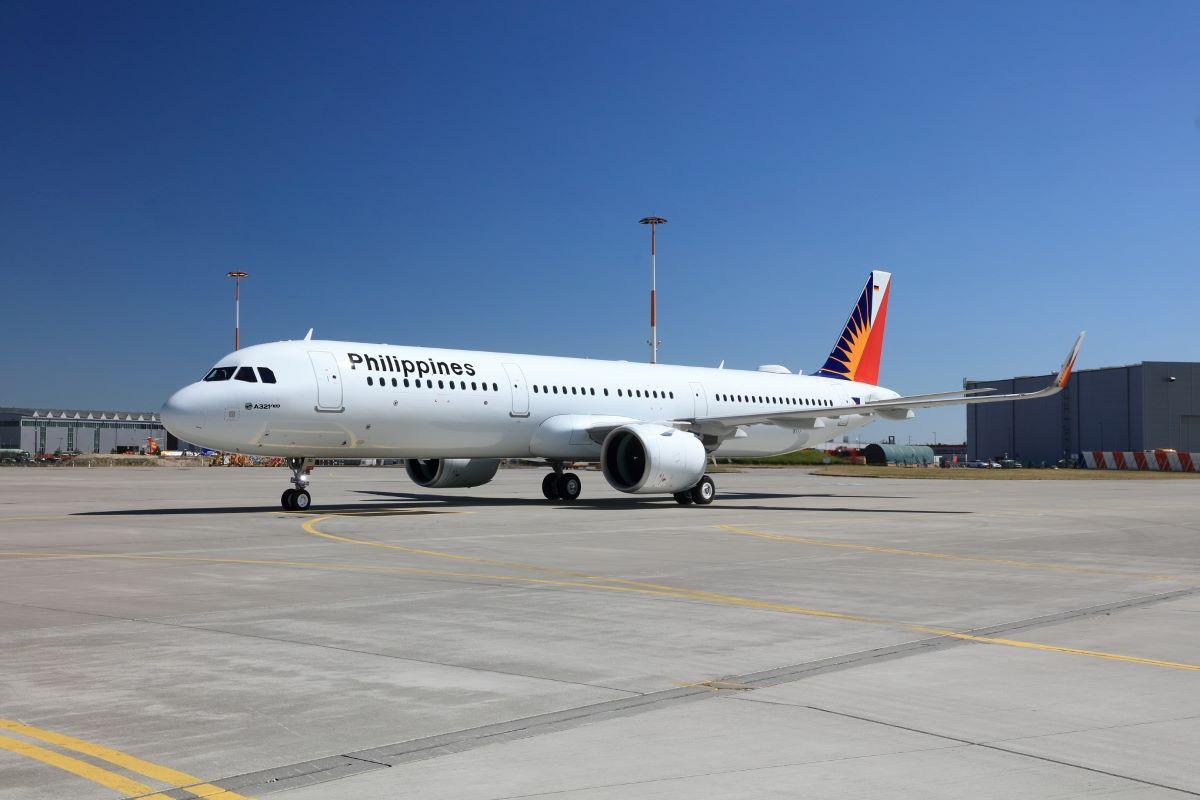
Flag carrier Philippine Airlines (PAL) on Wednesday said it has secured enough jet fuel to sustain its operations in the near term, after President Ferdinand “Bongbong” Marcos Jr. warned that grounding aircraft is a “distinct possibility” due to the crisis brought by the US-Israeli war against Iran.
“PAL has secured sufficient jet fuel supply to support scheduled operations, including long-haul flights, for the foreseeable future,” the carrier said in an advisory.
“The airline recognizes that global supply conditions remain dynamic. As part of prudent planning, PAL continues to work closely with fuel suppliers, industry partners, and government stakeholders to ensure stable and efficient operations over the longer term,” the advisory said.
This comes as Marcos, in an interview with Bloomberg, said several countries have already informed local airlines that they cannot refuel aircraft.
“We’re hoping not but… that’s a distinct possibility,” Marcos said, when asked it local aircraft could be grounded.
PAL's statement comes as oil prices remain volatile due to geopolitical tensions, raising concerns over fuel costs across the aviation sector.
Meanwhile, budget carrier Cebu Pacific on Monday announced route suspensions and frequency reductions starting April 2026, citing the impact of the ongoing armed conflict in the Middle East on global fuel prices. It said passengers can choose to either rebook their flight without fare difference, subject to availability, convert the value of their fare to travel fund for future trips, or request a refund.
US President Donald Trump on Tuesday said the United States was making progress in its efforts to negotiate an end to war with Iran, including winning an important concession from Tehran, Reuters reported.
A Financial Times report also indicated that Iran has informed member states of the International Maritime Organization that “non-hostile vessels” can pass through the Strait of Hormuz if they coordinate with Iranian authorities.
This comes after Trump over the weekend issued an ultimatum that the US would “obliterate” Iran’s power plants should it fail to reopen the Strait of Hormuz, a key global shipping corridor which carries around a fifth of the world’s oil, within 48 hours.
Iran responded by saying it would take out energy and water infrastructure across the Gulf should Trump follow through on his threat. —Jon Viktor Cabuenas and Sherylin Untalan/KG, GMA Integrated News

