

 GMA Brandtalk
 Tracking
 Archives

DOE orders power firms to save fuel, keep prices in check
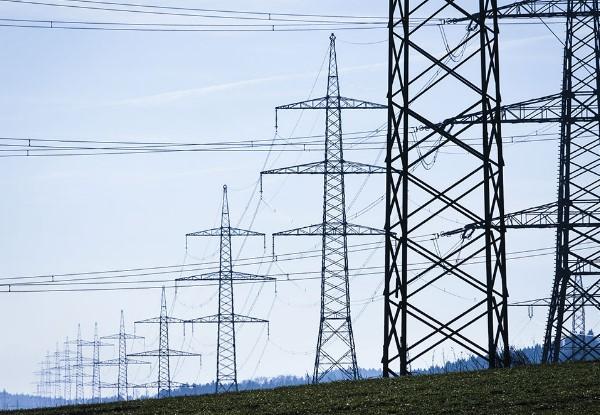
The Department of Energy (DOE) on Thursday called on power industry players to save fuel and manage supply more carefully to ensure the stability of electricity and prevent sharp price hikes, following the declaration of a state of national energy emergency.
In an advisory, the DOE called for the full dispatch of indigenous sources and coal-fired power plants in a bid to offset the increase in prices in the Wholesale Electricity Spot Market (WESM) by up to P2 per kilowatt-hour (kWh).
“As a net importer of oil, coal, and liquefied natural gas (LNG), we are acting with heightened discipline to preserve power system reliability in the face of escalating global fuel market volatility,” DOE secretary Sharon Garin said.
“This is a decisive intervention to protect the grid, manage fuel use responsibly, and ensure that essential electricity services remain uninterrupted,” she added.
Companies have also been directed to look into fuel alternatives to support cost mitigation such as options for higher biodiesel blends for oil-based plants and coal blending.
This includes options such as mixing different types of coal or co-firing, and mixing coal with locally available feedstock for coal-fired facilities, subject to technical, operational, and environmental requirements.
The DOE also asked generation firms to closely monitor fuel inventories and to ensure that their inventories are good for at least 15 days. They have also been directed to report any actual or potential fuel supply risks for appropriate assessment and possible intervention.
“(T)hese measures are intended to moderate the impact of sustained fuel price increases in the international market, which could otherwise place significant upward pressure on WESM prices,” the DOE said.
President Ferdinand “Bongbong” Marcos Jr. on Tuesday declared a state of national energy emergency and ordered the adoption of a Unified Package for Livelihoods, Industry, Food, and Transport (UPLIFT), to ensure energy supply stability, and support key sectors such as transport, agriculture, and micro, small, and medium enterprises (MSMEs).
Malacañang, citing Garin, has maintained that there is no crisis in oil supply but rather a disruption in prices due to the developments in the Middle East.
Local pump prices have been hiked for the past 11 straight weeks for gasoline, and 13 for both diesel and kerosene, amid the ongoing conflict in the Middle East. —VAL, GMA Integrated News

