

 GMA Brandtalk
 Tracking
 Archives

Meralco urges more firms to join interruptible load program
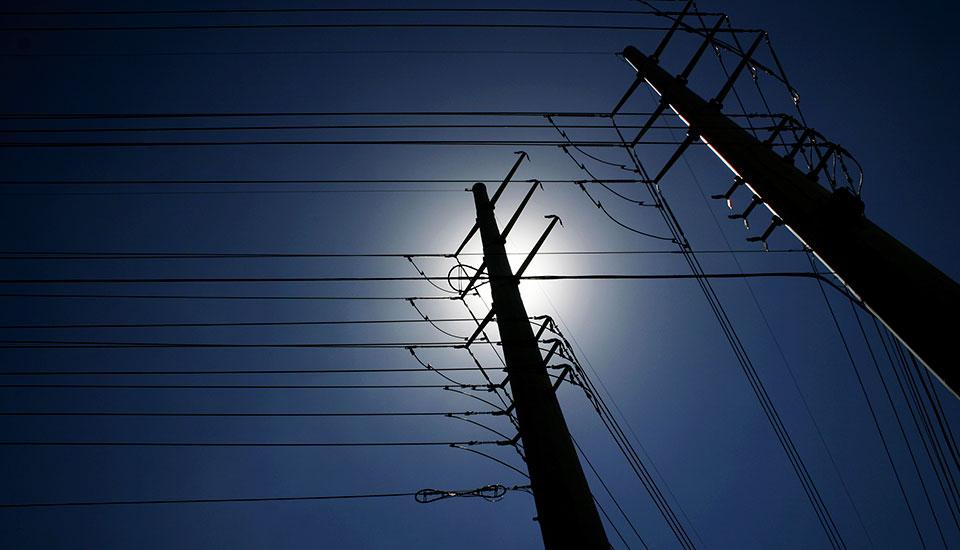
The Manila Electric Company (Meralco) is urging more companies to join the interruptible load program (ILP), a voluntary plan where businesses can temporarily cut electricity use to help keep the power grid stable, as global fuel prices continue to rise amid the Middle East conflict.
According to Meralco, it is proactively calling on more customers to increase the available de-loading capacity under the ILP, which currently has 105 companies enrolled for a total de-loading capacity of 513 megawatts.
“We continue to encourage enrollment because the program becomes more effective the more we have customers that can participate,” Meralco Generation and Transmission Economics lead specialist Ma. Leticia Sapina said in a statement.
“For the benefit of the participants, the frequency of de-loading may be reduced if we can call on more customers. Within the ILP participant pool, we can also rotate who will be called to de-load,” she added.
Meralco said the ILP has spared as many as 3 million households from rotating power interruptions since its implementation in 2014.
Meralco constructs, operates, and maintains electric distribution systems in the cities and municipalities of Bulacan, Cavite, Metro Manila, and Rizal, as well as certain areas in the Batangas, Laguna, Pampanga, and Quezon provinces.
The company increased its rates by 64.27 centavos per kilowatt-hour (kWh) this month, bringing the overall rate for a typical household to P13.8161 per kWh. This translates to an increase of around P129 in the power bill of a typical household consuming 200 kWh.
The Department of Energy (DOE) earlier ordered power industry players to save fuel and manage supply more carefully to ensure the stability of electricity and prevent sharp price hikes, following the declaration of a state of national energy emergency.
President Ferdinand “Bongbong” Marcos Jr. on Tuesday declared a state of national energy emergency and ordered the adoption of a Unified Package for Livelihoods, Industry, Food, and Transport (UPLIFT), to ensure energy supply stability, and support key sectors such as transport, agriculture, and micro, small, and medium enterprises (MSMEs).
Malacañang, citing DOE Secretary Sharon Garin, has maintained that there is no crisis in oil supply, but rather a disruption in prices due to the developments in the Middle East. —VAL, GMA Integrated News

