

 GMA Brandtalk
 Tracking
 Archives

China Evergrande founder pleads guilty to fraud in Shenzhen court
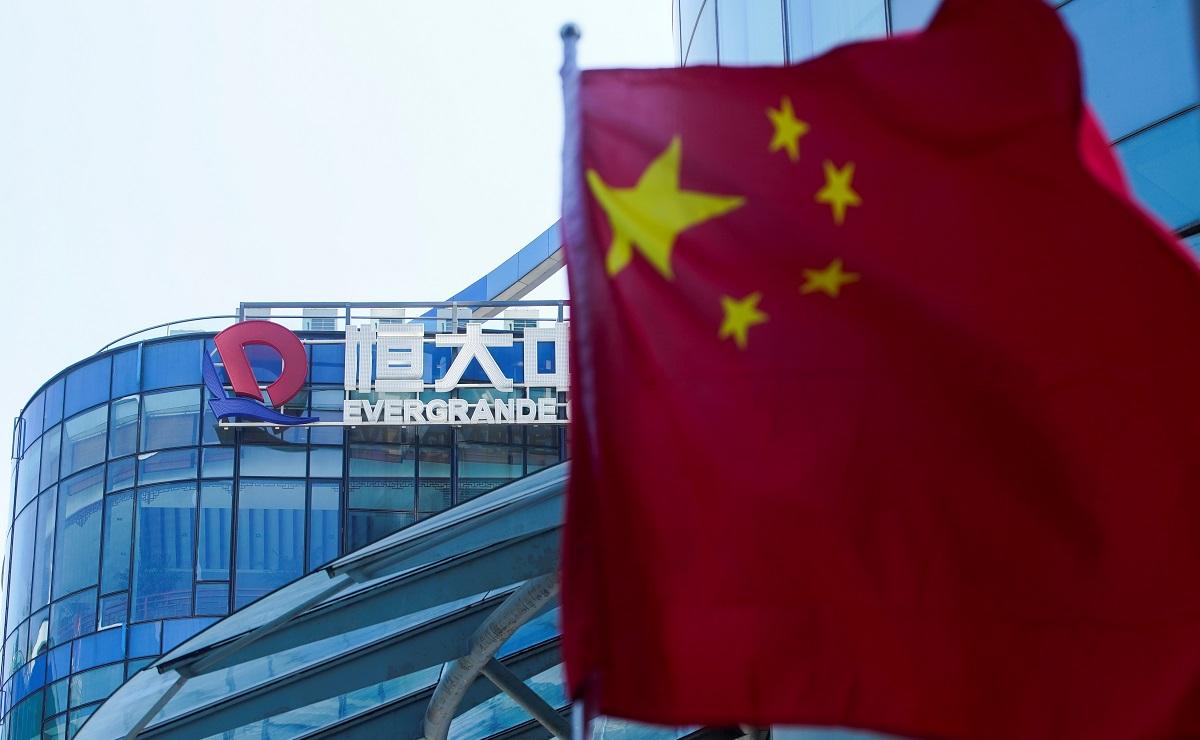
HONG KONG — The founder of China Evergrande Group, the world's most indebted property developer, pleaded guilty to eight charges including misuse of funds, fundraising fraud and illegally taking public deposits, a court in China's southern city of Shenzhen said on Tuesday.
While the indictment of the billionaire founder of what was once China's No.1 property developer would mark an end to his rags to riches story, it is unlikely to bring much solace to Evergrande's domestic and foreign creditors.
Evergrande has defaulted since 2021 on most of its $300 billion in liabilities, in troubles emblematic of China's property sector woes that have long dragged on economic growth.
Founder Hui Ka Yan "pleaded guilty and expressed remorse" in trial proceedings on Monday and Tuesday against him and Evergrande, the court said in a posting on its official WeChat account.
The liquidators of Evergrande declined to comment on the case.
Reuters was unable to seek comment from Hui, 67, who has not been seen in public since Chinese authorities detained him in 2023, following Evergrande's default.
'A means of easing public anger'
Hui and the company also face charges of illegally extending loans, fraudulently issuing securities and bribery, the Shenzhen Municipal Intermediate People's Court added, with verdicts to be handed down later, though it did not set a date.
In 2024, China's securities regulator fined Hui, formerly one of China's richest men, $6.6 million and barred him from the securities market for life, after finding Evergrande's flagship unit had inflated earnings and committed securities fraud.
The company's failure to repay billions of dollars of wealth management products triggered protests that threatened social stability after ordinary investors, many of them on lower incomes, saw their holdings wiped out.
Jail for life and confiscation of property are the maximum penalties for illegal fundraising, while bribery can also carry a life term.
"The chances are extremely high that Hui will receive life sentences, given the amount of money involved, the number of victims, and the associated financial risks and social impact are almost unprecedented in China," said Xinpeng Zhu, a lawyer at Shanghai Rongying Law Firm, who represented investors in Evergrande's debt.
"The court's ruling will serve as an answer to the prevailing sentiments in society and a means of easing public anger."
Pointing to other major fraud cases, Zhu said all of Evergrande's onshore units were likely to go into liquidation after the ruling. But creditors were expected to benefit little, he added, as the recovery rate for an Evergrande unit that completed liquidation was only 0.69%.
Evergrande's Hong Kong court-mandated liquidation process has also moved at a glacial pace over the past two years, according to its liquidators, with only about $255 million worth of assets sold as of last August compared to creditors' claims totalling $45 billion.
Dabbled in electric cars and soccer
A former steel technician, Hui, raised by his grandmother in a rural village in central Henan province, built his fortune on the back of low-priced homes.
After founding Evergrande in 1996, he turned it into China's biggest property developer by contracted sales, aggressively taking on debt.
He did not shy away from new ventures, dabbling in electric cars and soccer, both passions of President Xi Jinping.
In 2017, Hui was Asia's richest man with a net worth of $45.3 billion, according to Forbes. By 2023, his net worth was estimated at $3 billion.
In 2024, Evergrande received a liquidation order from a Hong Kong court, and was kicked off the Hong Kong stock exchange last year, bringing an end to a tumultuous boom-to-bust saga.
Outside mainland China, Evergrande's liquidators have battled in court to freeze the offshore assets of Hui and his former spouse in a struggle to claw back $6 billion in dividends and remuneration paid to the founder and other former executives. — Reuters

