

 GMA Brandtalk
 Tracking
 Archives

GMA Network has highest weekly offline, online news reach in PH - Reuters study
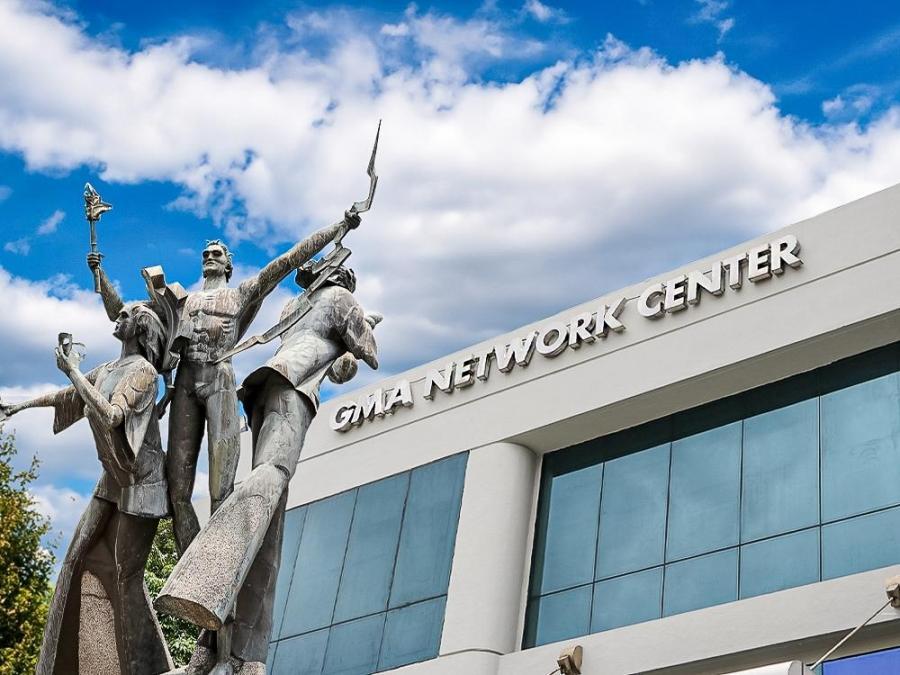
GMA Network continued to have the highest weekly use among various offline and online news brands, the latest Reuters Institute for the Study of Journalism’s Digital News Report (DNR) showed.
The 2026 report showed that the Kapuso network topped for TV, radio, and print with a weekly reach of 48%. The network is bannering its flagship newscast “24 Oras”, late night news “Saksi”, and subsidiary channel GTV.
It was followed by ABS-CBN with 41%; the Philippine Daily Inquirer and TV5 with 22%; and Manila Bulletin and The Philippine Star both with an 18% rating.
DZMM Radyo Patrol/TeleRadyo received 15%, followed by other local radio news with 14%, and GMA Network’s Super Radyo dzBB obtained a 10% rating.
Also included are Balita with 9% and Bilyonaryo News Channel with 8%. Meanwhile, BBC News, DZRH News, and free newspaper or alternative news weekly all received 7% each.
Further, Radyo Pilipinas and Abante/Abante Tonight got 6% each.
On the other hand, GMA News Online, the network’s news website had a weekly use of 49%, marking the sixth straight year since 2021 that it topped other online news media sites.
Here’s how the online brands fared in weekly users in the latest DNR:
- ABS-CBN News Online - 43%
- Philippine Daily Inquirer online - 29%
- Rappler - 24%
- TV5 News Online - 24%
- The Philippine Star online - 20%
- Manila Bulletin online - 16%
- Bilyonaryo online - 15%
- PEP.ph - 14%
- Yahoo! News - 14%
- Other local radio news online - 13%
- Manila Times online - 10%
- BBC News online - 9%
- MSN News - 9%
- DZRH online - 9%
- SunStar online - 8%
The online survey asked respondents which brands they used to access news in the previous week.
“These figures are based on respondents’ recall of the news sources they have used, and should be understood as survey-based measures of weekly brand reach for news,” the Reuters report noted.
“Respondents can select more than one brand in each question. For that reason, the figures do not add up to 100%. They show the proportion of respondents who say they used each brand for news in the last week,” it added.
Despite the survey figures, Reuters said traditional media like print and television face a steady drop in audience share in the Philippines, whereas social media platforms maintain their stronghold as the primary news source.
“Overall trust in news fell by 10 (percentage points) this year, even as trust in major brands held steady. Fewer Filipinos now access news directly via TV, radio, or websites, while social media use remains stable, suggesting that more people encounter journalism through platform feeds shaped by polarisation, political messaging, and disinformation,” the DNR said.
Fake news
Furthermore, the latest DNR said that efforts to regulate online disinformation have intensified in the Philippines.
“Lawmakers in the 20th Congress are proposing criminal penalties, regulatory oversight, and takedown mechanisms for allegedly false or misleading online content,” it read.
“Although not yet implemented, this package of bills would allow authorities to order the removal of disinformation and impose fines or prison terms on publishers, platforms, or individuals who fail to comply.”
However, some proposals “look set to treat journalists as aggravating offenders, triggering maximum penalties if they are found liable for spreading disinformation.” —RF, GMA News

