

 GMA Brandtalk
 Tracking
 Archives

Meralco says stopping electricity theft costs money; Tulfo says consumers shouldn't pay
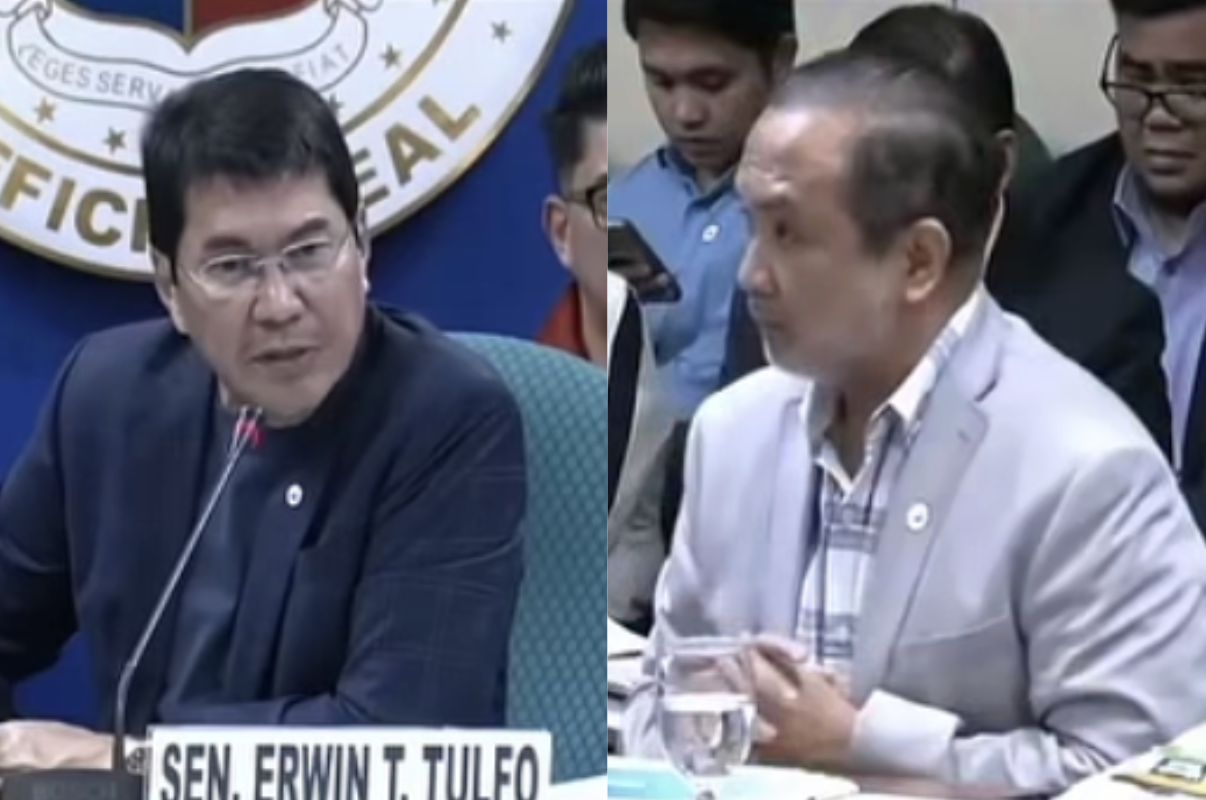
Achieving zero non-technical system loss due to reasons such as pilferage will mean more manpower costs that will be unfair to charge the consumers, an executive of the Manila Electric Company (Meralco) told a Senate inquiry on Thursday.
In response, Sen. Erwin Tulfo said the additional costs should no longer be the problem of the consumers, indicating that these should not be passed on to the paying customers.
The exchange happened during the hearing of the Senate Committee on Energy, which conducted the hearing after President Ferdinand "Bongbong" Marcos' call for the stop to charges on system loss, which he said was not the fault of the Filipino consumers.
Proposed amendments to the Electric Power Industry Reform Act of 2001 (EPIRA) Law are already pending before the committee.
Atty. Jose Ronald V. Valles, Meralco senior vice president and head of regulatory management, explained the power distributor has already implemented measures to curb non-technical losses such as the aggressive prosecution of illegal connections.
However, the company would need to employ more personnel to address and eradicate the losses.
“Kung i-improve pa po namin 'yan below, para ma-achieve natin yung zero na sinasabi natin, non-technical losses, malaki naman po yung gagastusin namin na operational expenses at saka capital expenses, capital expenditure, na siya naman po ang kakarga na naman sa taripa,” said Valles.
“Kasi po, hindi naman papayagan ng any distribution utility na malugi sila dahil sa mga nagnanakaw ng kuryente. So gagawa sila ng paraan, sabi niyo nga, ay para ma-curb ito, para mabawasan ito, para ma-eradicate ito. So mapipilitan po silang gumastos. So kung gagastos po sila na mas malaki kaysa sa magiging pakinabang ng customers dito sa system loss na tanggalin natin or gawin natin zero, yung non-technical losses, eh, hindi po magiging fair sa consumers,” he added.
(If we improve that to achieve the zero non-technical losses we are talking about, we will have to spend significantly more on operational and capital expenditures. Those costs will eventually be passed on through the electricity tariff. No distribution utility will allow itself to operate at a loss because of electricity theft. So they will find ways to curb, reduce, or even eradicate it. This means it will be forced to spend more. If those expenditures end up being greater than the benefit consumers will get from eliminating or reducing the system loss due to non-technical losses to zero, then it would not be fair to consumers.)
During the legislative inquiry, Tulfo asked Meralco why consumers should shoulder the expenses for non-technical system losses, or losses in the distribution system due to electricity pilferage, defective meters, errors in metering, and illegal power connections.
“I totally disagree with your explanation. You mean, you're a business. At the same time, you're catering to public service…Are you saying na para kailangan wala kayong losses, ipasa niyo sa amin? Ipagdadagdag niyo ng mga tao, ipapasa, ikakarga na naman sa bill namin? Hindi naman namin problema yun. Hindi na rin yung problema ng consumer yun,” Tulfo said.
“Magdagdag ka ng tao mo, mag-expand ka. Wala kaming pakialam doon. At gusto lang namin, kuryente, bumibili po kami…[Kung] ayaw magkaroon ng losses, 'di, huwag ka, lumipat ka rin ang negosyo. That's what my point is, that's what the people are saying right now. Bakit kami lagi? Wala na ba kayong sasagutin na losses? Puro na lang sa tao, pass on, puro pass on. Lahat na lang, pinapass on,” he added.
(I totally disagree with your explanation. You're a business, but at the same time you're providing a public service. Are you saying that just because you don't want to incur losses, you'll simply pass those costs on to us? Hire more people. Expand your operations. We don't care about that. All we want is electricity, and we're paying for it. If you don't want to incur losses, then maybe you shouldn't be in this business. That's my point, and that's what people are saying right now. Why is it always the consumers who have to shoulder the costs? Don't you have to absorb any losses yourselves? Everything is just passed on to the public.)
Tulfo added, “Napakagandang negosyo pala nito. Hindi ko naisip. Sana nagkaroon tayo ng mga electric company din para na generation at saka distribution... Napakasarap pala ang negosyo na ito. Walang losses, sa tao niyo lagi sinisingil”.
(This really sounds like a great business. I should have thought of it. We should have owned electric companies too, for both generation and distribution. It seems like it's a very profitable business because you don't absorb any losses; you just keep charging them to the people.)
System loss refers to the difference between electricity generated by power plants and electricity consumed by and billed to end-customers.
Simply put, as electricity travels far distances from power plants to homes and businesses, energy is lost due to both “technical” and “non-technical” factors.
Technical factors, including electricity flowing through wires, which generates heat, power passing through multiple transformers, and voltage and stability concerns in the power system, also cause minor losses.
Non-technical causes, on the other hand, include electricity theft or illegal connections.
The Energy Regulatory Commission (ERC), for its part, told the Senate panel that non-technical losses only account for 1% to 1.5% in the system loss charges of power distributors, and removing it would not drive the companies to bankruptcy.
"The ERC believes that if this becomes the regulation, our utilities will adjust and adapt. They may also become more aggressive in going after those who steal electricity so that the impact of removing, for example, the non-technical system loss will not be significant for them," ERC Chairperson and Chief Executive Officer Francis Saturnino Juan said in a mix of English and Filipino.
In his fifth State of the Nation Address last Monday, President Ferdinand ”Bongbong” Marcos Jr. called on Congress for the immediate amendment of the EPIRA Law to put a stop to system loss charges, including its accompanying value-added tax (VAT), from being passed on to consumers. –NB, GMA News

