

 GMA Brandtalk
 Tracking
 Archives

DOLE releases 2027 holiday pay rules
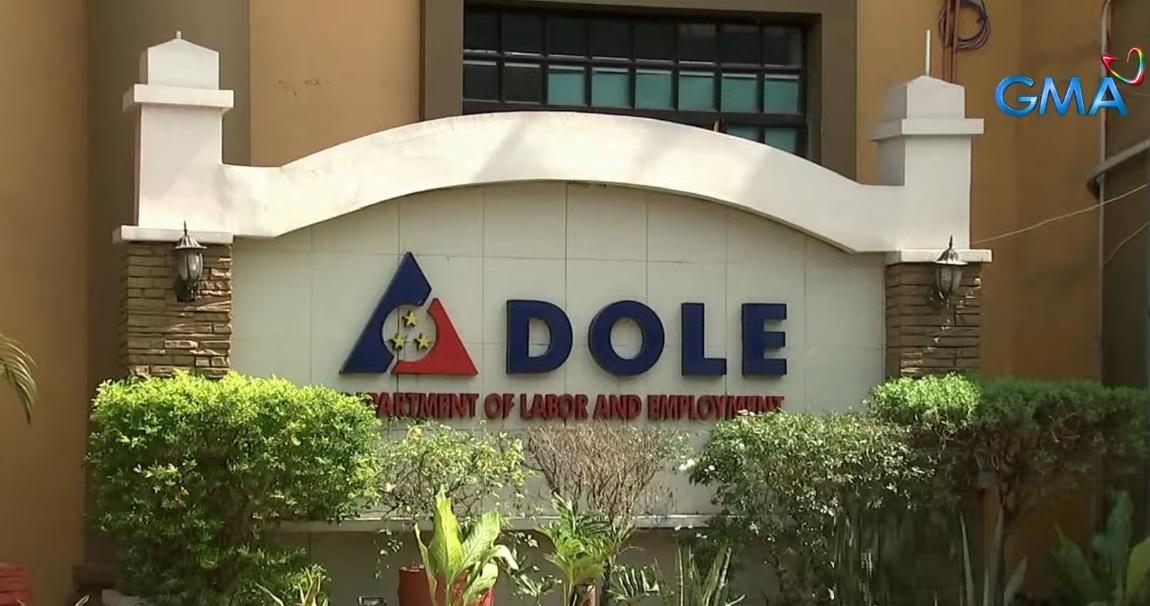
The Department of Labor and Employment (DOLE) released Wednesday the pay rules for regular holidays and special (non-working) days for 2027.
Under Labor Advisory No. 17, Series of 2026, employees working during the regular holiday will be paid 200% of their wage for the day for the first eight hours.
The advisory also said the following pay rates will be applied in 2027:
- If the employee does not work, the employer shall pay 100% of the employee's wage for that day, provided that the employee reports to work or is on leave of absence with pay on the day immediately preceding the regular holiday.
- Where the day immediately preceding the regular holiday is a non-working day in the establishment or the scheduled rest day of the employee, he or she shall be entitled to holiday pay if the employee reports to work or is on leave of absence with pay on the day immediately preceding the non-working day or rest day (Basic wage x 100%).
- Employees working beyond eight hours will be paid an additional 30% of the hourly rate on the said day (Hourly rate of the basic wage x200% x 130% x number of hours worked)
- For work done in excess of eight hours during a regular holiday that also falls on the employee's rest day, the employer shall pay the employee an additional 30% of the hourly rate on said day (hourly rate of the basic wage x 200 x 130 x 130 x number of hours worked).
The following dates are regular holidays:
- January 1 (Friday) - New Year’s Day
- March 25 - Maundy Thursday
- March 26 - Good Friday
- April 9 (Friday) - Araw ng Kagitingan
- May 1 (Saturday) - Labor Day
- June 12 (Saturday) - Independence Day
- August 30 (Last Monday of August) - National Heroes Day
- November 30 (Tuesday) - Bonifacio Day
- December 25 (Saturday) - Christmas Day
- December 30 (Thursday) - Rizal Day
- Eidul Fitr (to be proclaimed)
- Eidul Adha (to be proclaimed)
Meanwhile, those working during special non-working days will be paid an additional 30% of the basic wage on the first eight hours of work (basic wage x 130%).
During special non-working days, a "no work, no pay" principle will be applied for employees who will not work unless there is a favorable company policy, practice, or collective bargaining agreement granting payment on a special day.
For those working beyond eight hours, they will be paid an additional 30% of the hourly rate on said day (hourly rate of the basic wage x 130% x 130% x number of hours worked).
For work done in excess of eight hours during a special day that also falls on the employee's rest day, the employer shall pay the employee an additional 30% of the hourly rate on said day (hourly rate of the basic wage x 150 x 130 x number of hours worked).
The following dates are special (non-working) days:
- February 6
- Mary 27
- August 21 (Saturday) - Ninoy Aquino Day
- November 1 (Monday) - All Saints’ Day
- November 2 (Tuesday) - All Souls Day
- December 8 (Wednesday) - Feast of the Immaculate Conception of Mary
- December 24 (Friday)- Christmas Eve
- December 31 (Friday) - Last Day of the Year
DOLE also stated that February 25 is a special working day, which is considered an ordinary working day for the purpose of payment of wages and wage-related benefits.
The following pay rules will be applied on a special working day:
- If the employee does not work, the "no work, no pay" principle shall apply unless there is a favorable company policy, practice or collective bargaining agreement (CBA) granting payment on a special day.
- For work done on an ordinary working day, the employer shall pa) 100% of the employee's wage for that day for the first eight hours (Basic wage x 100%).
- For work done in excess of eight hours, the employer shall pay the employee an additional 25% of the hourly rate on said day (Hourly rate of the basic wage x 125%).
—AOL, GMA News

