

 GMA Brandtalk
 Tracking
 Archives

USDA lowers forecast on PH 2026-27 sugar production
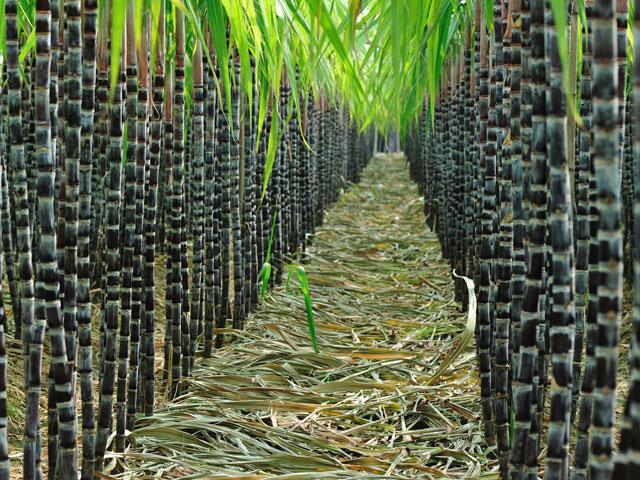
The United States Department of Agriculture (USDA) has lowered its forecast on the Philippines' raw sugar production for marketing year (MY) 2026 to 2027, citing several factors including the threat of El Niño.
In a report, the USDA Foreign Agricultural Service (FAS) Manila forecasts the raw sugar production at 1.7 million metric tons (MMT) for MY 2026 to 2027. This is 8% lower from the estimate of 1.85 MMT in MY 2025 to 2026.
USDA Manila said red-striped soft scale insect infestation continues to spread in several sugarcane-producing areas, affecting the production for the MY 2026 - 2027 period.
Citing data from the Philippines’ Sugar Regulatory Administration (SRA), the USDA said that RSSI affected 33% or 139,364 hectares of the 421,606 hectares of sugarcane plantations nationwide as of August 2026.
Among the affected areas are in the Visayas, particularly in the islands of Negros and Panay.
The USDA noted that pest infestation is further aggravated by a harsher El Niño forecast.
“Industry contacts similarly note that RSSI spreads faster in drier, warmer conditions, with the ongoing El Niño worsening the situation. Contacts report that the RSSI infestation, combined with El Niño, has produced shorter cane internodes, stunted sugarcane, smaller stalk girth, and dry cane cores, ultimately reducing the gross tonnage of sugarcane harvested and delivered to mills,” the report read.
Further, the USDA noted that drought has affected sugar production in the Visayas as rainfall only started in July, nine months after farmers planted sugarcane.
“Contacts noted that sugarcane requires moderate to high amounts of water from germination through elongation (months 1–9), followed by decreasing water needs during maturation to ripening (months 10–12). Absent irrigation, the below-normal rainfall experienced by some planters resulted in shorter nodes/stalks and lower tonnage per hectare,” the USDA report said.
Moreover, higher input costs also post a challenge to sugar production, hence, the lower forecast.
The USDA noted the increase in the prices of fertilizer and diesel fuel for irrigation.
“These constraints will eventually affect sugarcane yield, resulting in lower raw sugar production for the forecast year. Some millers have reportedly extended financial assistance to planters and helped cover fertilization costs for a portion of their farms,” the report read.
“Additionally, RSSI infestation has forced planters to spend more on insecticides, which sometimes require several applications and different chemical types to prevent the pest from developing resistance,” it added.
The Philippine Department of Agriculture earlier said that the country is studying whether to impose tighter regulations on artificial sweeteners following calls from the sugar industry to protect locally produced sugar.
Citing industry figures, the DA showed that artificial sweeteners captured an 18.4% market share or 503,117 metric tons in 2024–2025, while the demand for refined sugar fell by 13.89%.
GMA News Online has reached out to the SRA for comment. –RF, GMA News

