

 GMA Brandtalk
 Tracking
 Archives


Lower feed costs to protect hog raisers from low farmgate prices - DA
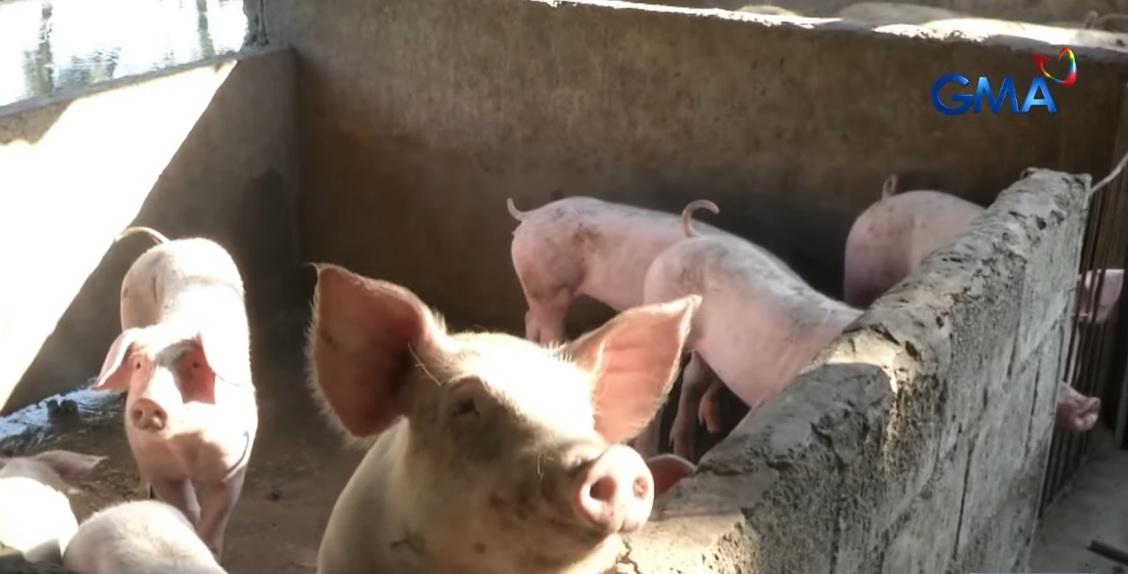
Lower feed costs will help hog raisers from low farmgate prices, the Department of Agriculture (DA) said on Wednesday after the government raised the country’s corn import quota under the minimum access volume (MAV) scheme to 500,000 metric tons (MT).
“Ensuring a sufficient supply of low-priced corn is essential to supporting animal feed production, keeping production costs of meat affordable and protecting the country’s food security,” said DA Secretary Francisco Tiu Laurel Jr. in a statement.
“We need to make sure our livestock and poultry industries have access to the feed ingredients they need without placing additional pressure on consumers,” he added.
Under Executive Order No. 129, the additional 280,000 MT in imports is intended to help address a projected yellow corn supply deficit of about 1.422 million MT from March to December 2026.
The order is meant to prevent a surge in feed prices due to inadequate domestic corn supply.
The quota increase comes amid a projected yellow corn deficit of about 1.42 million MT from March through December 2026.
The DA earlier said that tensions in the Middle East and the looming threat of prolonged drought could affect corn production and yields. Corn is a major ingredient in animal feed for hogs and poultry.
The department then said that about 50% to 60% of poultry and hog production costs come from animal feeds, while corn accounts for around 50% to 65% of feed costs.
The DA also earlier proposed to raise pork tariffs by 10 percentage points in 2027, from the current 15% in-quota and 25% out-quota rates to 25% and 35%, respectively. The proposed increases come as local hog production rose 6% in the first half of 2026, while pork imports and inventories also reached high levels, according to the DA.
The department also proposed to impose a two-month suspension on the issuance of sanitary and phytosanitary import clearances (SPSICs) on imported pork.
But the DA assured that The price of pork is unlikely to rise leading up to the Christmas season as the country’s supply is enough, which is good for 170 days. —VAL, GMA News

