

 GMA Brandtalk
 Tracking
 Archives


With PH peso plunging to record lows, should Filipinos panic?
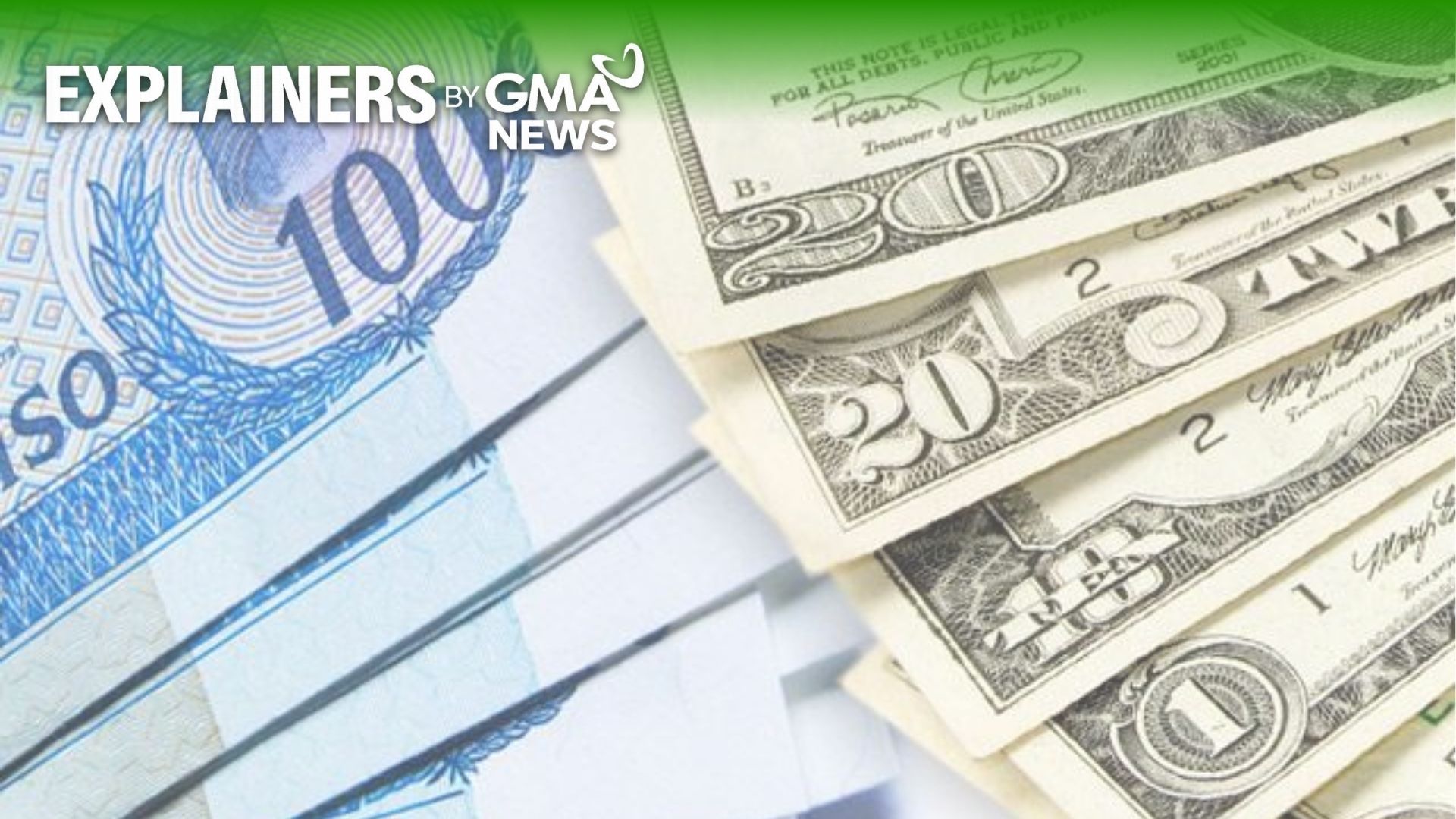
The Philippine peso has hit a record low against the US dollar for the 33rd time.
On Tuesday, the local currency closed at a fresh record low of P64.17 to $1.
Despite the peso’s continued weakness, President Ferdinand “Bongbong” Marcos Jr. urged the public not to panic, saying his administration had “all the tools to defend the peso.”
But for ordinary Filipinos, is a weak peso necessarily a bad thing?
Union Bank of the Philippines chief economist Ruben Carlo Asuncion said a weaker peso was generally a “mixed blessing” for the economy.
“On the one hand, it benefits OFW (overseas Filipino worker) families, exporters, BPOs, and tourism-related businesses because every US dollar earned translates into more pesos,” Asuncion said.
However, he said a weaker currency also raises import costs and could eventually fuel inflation, as the Philippines remains heavily dependent on imported fuel, food, fertilizers, machinery and other production inputs.
“The biggest impact on ordinary Filipinos is often felt through higher prices of fuel, transport, electricity, and some food items, which erodes household purchasing power,” Asuncion said.
Philippine Institute for Development Studies (PIDS) senior research fellow John Paolo Rivera likewise said a weaker peso increases the cost of imported fuel, food, medicines and production inputs, potentially pushing up transportation, electricity and consumer prices.
“For ordinary Filipinos, this means reduced purchasing power, especially when incomes cannot keep pace with rising costs,” Rivera said.
While exporters, tourism businesses, the information technology and business process management (IT-BPM) sector, and households receiving remittances from abroad may benefit from a stronger dollar, Rivera said these gains could be offset by higher expenses.
For the economy in general, Rizal Commercial Banking Corp. chief economist Michael Ricafort said that a weaker peso might result in “higher payment for foreign debts by the government and private borrowers especially if payments are in pesos.”
Asuncion said the peso’s depreciation was not necessarily bad, but sustained weakness could increase the peso cost of servicing foreign debt and create uncertainty for businesses.
“Ultimately, a weaker peso is not necessarily bad if it is gradual and reflects economic fundamentals, but a sharp and prolonged depreciation can become a concern if it significantly fuels inflation and undermines consumer spending,” he said.
Rivera similarly warned that prolonged depreciation could fuel inflation, squeeze household budgets and increase business costs, potentially weakening consumption and economic growth.— MCG, GMA News
Follow GMA News Online on Facebook for real-time news and developments in the Philippines and around the world.

