

 GMA Brandtalk
 Tracking
 Archives


Biz groups, civil society urge restraint in PH-China exchanges
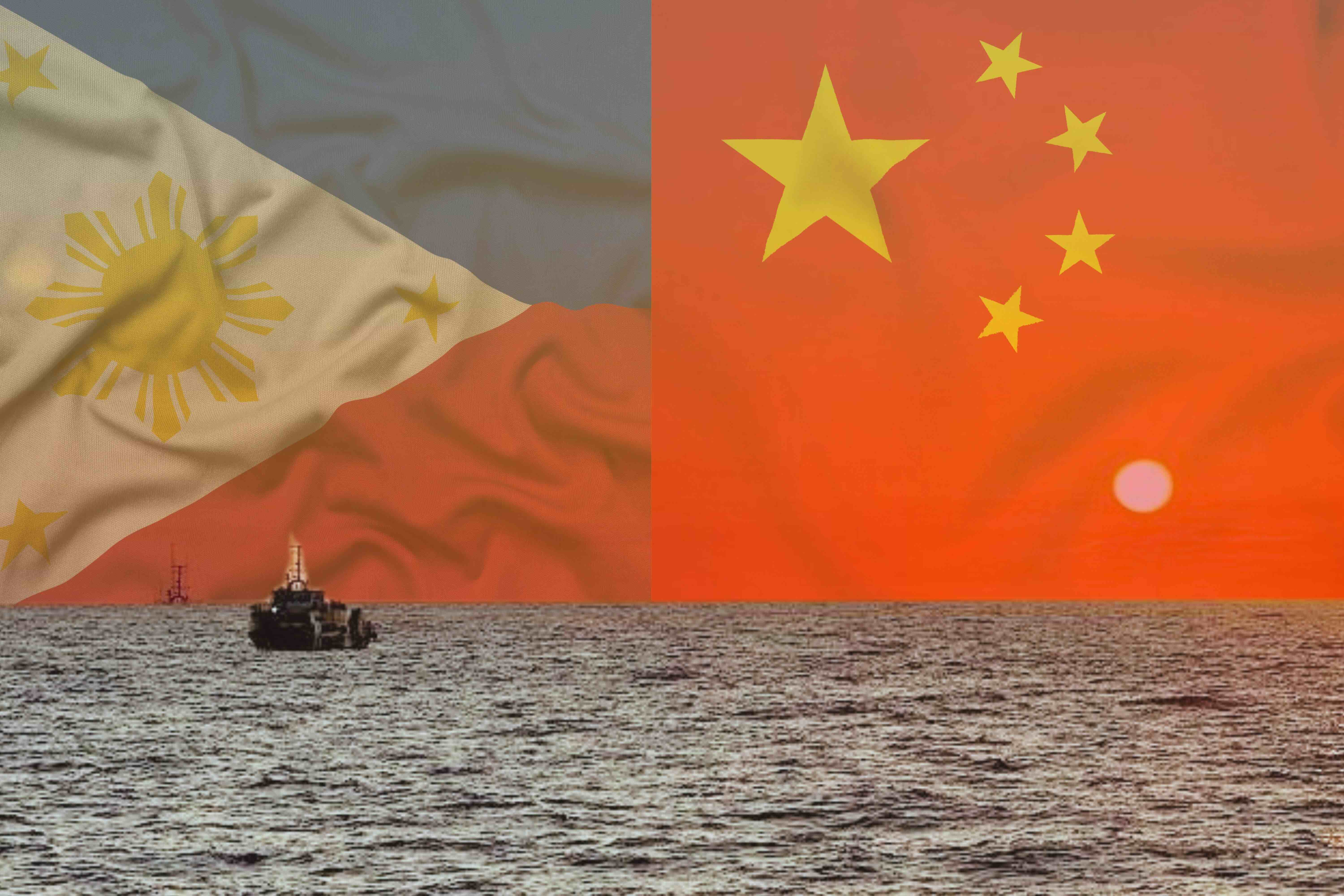
Business and civil society groups have called on Philippine and Chinese officials to exercise sobriety and restraint and renew diplomatic engagement amid recent heated public exchanges between government officials and the Chinese Embassy.
In a joint statement signed by leaders from the business, labor, overseas Filipino worker (OFW), academic, economic and agricultural sectors, the groups warned against the dangers of public recriminations and inflammatory rhetoric, urging both sides to return to established diplomatic channels.
“Amid global uncertainties, we urge measured diplomacy that advances Philippine interests. All parties should avoid inflammatory rhetoric, public recriminations, and social media exchanges that could further strain bilateral relations,” the groups said.
“Diplomacy is best pursued through established channels, coordinated institutions, informed dialogue, mutual respect, and a clear understanding of national interests. The Philippines needs a foreign policy that is principled yet pragmatic, resolute yet diplomatic, and anchored in protecting sovereignty, economic security, and long-term development,” they added.
Signatories to the statement include the Philippine Chamber of Commerce and Industry (PCCI), Employers Confederation of the Philippines (ECOP), Federation of Filipino-Chinese Chambers of Commerce and Industry (FFCCII), and Philippine Exporters Confederation, among others.
The groups underscored the significant economic ties between the two countries, citing Philippine Statistics Authority (PSA) data for the first half of 2026.
They said China and Hong Kong remained the Philippines' largest trading partner, accounting for nearly 30% of the country's total international trade, including 26.3% of exports and between 27% and 29.5% of imports.
In contrast, the Philippines accounts for less than 1% of China's overall global trade, they said.
Given this imbalance, the groups emphasized the need for “careful economic statecraft,” alongside efforts to strengthen domestic manufacturing and pursue strategic trade diversification.
“Our economies are deeply interconnected through trade, manufacturing, construction, infrastructure, agriculture, retail, energy, electric vehicles, solar panels, and other vital sectors,” they said, noting that China supplies essential raw materials, machinery and renewable energy technologies critical to local employment and the country's clean energy transition.
The groups also cited the contributions of OFWs in mainland China, Hong Kong and Macao, whose remittances support millions of Filipino families, boost local consumption and provide crucial foreign exchange earnings.
To navigate current geopolitical tensions while protecting national interests, the groups outlined six recommendations for policymakers:
- Exercise sobriety and restraint: Avoid personal attacks and public statements that escalate tensions without serving national goals.
- Centralize foreign policy: Ensure diplomatic positions are communicated through designated authorities and official channels rather than fragmented public declarations.
- Protect sovereignty while preserving economic ties: Defend Philippine sovereign rights under international law while maintaining practical cooperation in trade, investment, tourism and energy.
- Prioritize trade, investment and job creation: Focus on policies that secure market access, strengthen supply chains and benefit local enterprises, workers, farmers and consumers.
- Pursue strategic diversification: Build broader global trade partnerships and local manufacturing capacity as a complement to ongoing diplomacy.
- Promote responsible communication: Resolve bilateral differences through quiet diplomacy and official mechanisms rather than public debate.
Addressing concerns over the Philippines' continuing maritime and political disputes with China, the groups stressed that maintaining stable economic relations does not mean compromising national dignity or sovereign rights.
“Constructive relations with China do not require abandoning Philippine sovereignty, overlooking legitimate concerns, or compromising an independent foreign policy,” they said.
“Firmness and friendship, vigilance and cooperation, and national dignity and economic pragmatism can coexist,” they added.— MCG, GMA News
Follow GMA News Online on Facebook for real-time news and developments in the Philippines and around the world.

