

 GMA Brandtalk
 Tracking
 Archives


No 'unusual' hike in pork prices expected for holiday season - DA
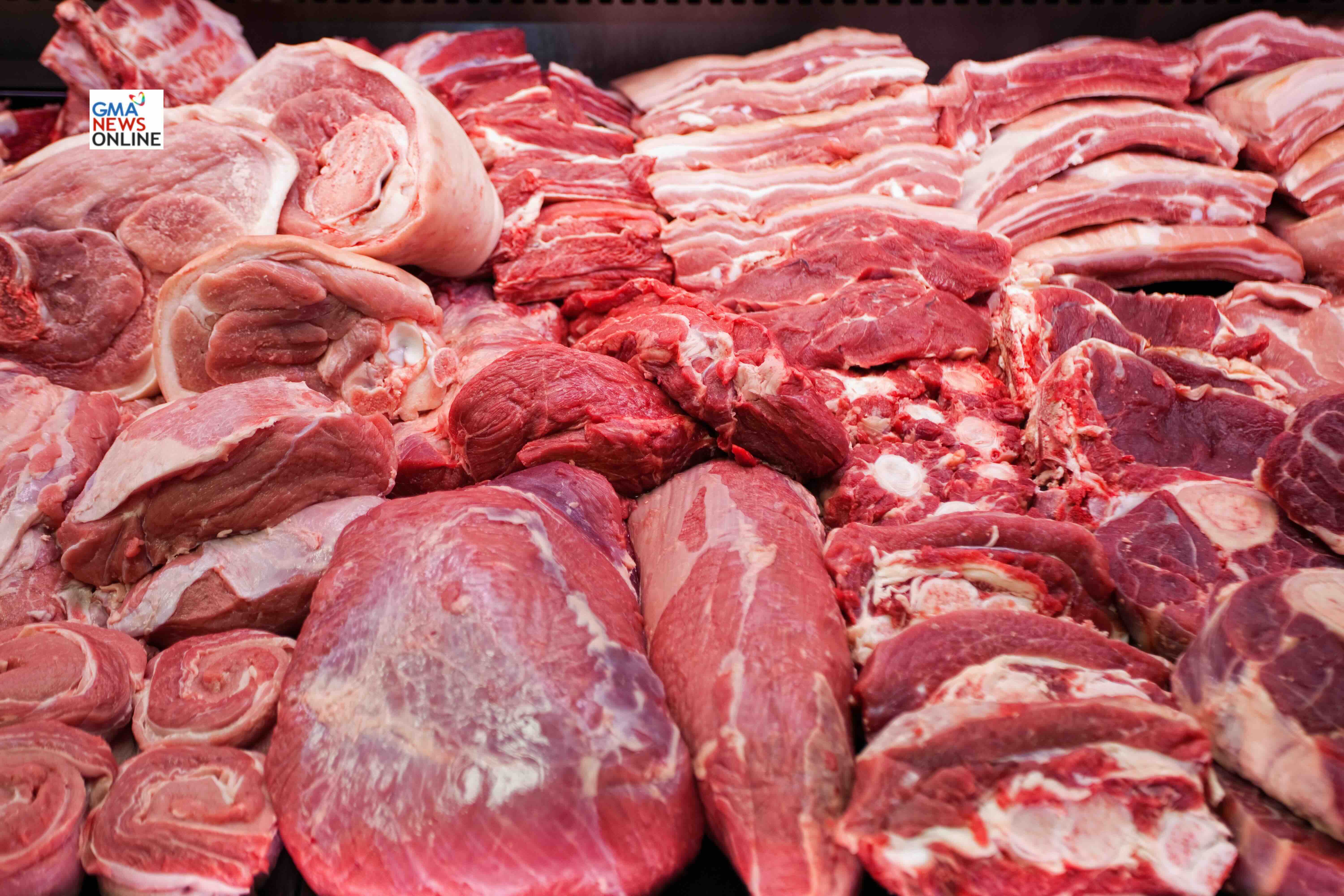
The Department of Agriculture (DA) said on Monday that there will be no “unusual” hike in prices of pork this coming Christmas season, reiterating the pork supply is more than sufficient.
“We do not see any spike na unusual. Kung sakaling mayroon mang ganun, naka-monitor naman, mayroong Bantay Presyo, we will call the attention,” said DA Secretary Francisco Tiu Laurel Jr. in a press briefing.
(We do not see any unusual spike. In case there is one, it is being monitored—we have Bantay Presyo [Price Watch]—and we will call their attention.)
“Dahil hindi dapat tumaas kasi tulad na sinabi ng ating mga kasama or experts na lang dito, there is an oversupply of pork products in our market,” he said.
(Prices shouldn't go up that high, since as our colleagues or experts here have said, there is an oversupply of pork products in our market.)
The department chief reiterated that the country’s minimum supply is good for 170 days.
“Minimum supply natin is 170 days as of the moment. So marami namin iyan actually. Hanggang kalahating taon ‘yan halos,” said Tiu Laurel.
(Our minimum supply is 170 days as of the moment. So we actually have plenty. That is enough for almost up to half a year.)
A price situationer from the Philippine Statistics Authority (PSA) showed that an average retail price of P342.97 per kilogram at the national level was reported for fresh pork and liempo during the second half of October 2026.
This showed a decrease from its average retail prices of PhP 345.10 per kilogram in the first phase of October 2026 and PhP 349.89 per kilogram in the second phase of September 2026.
Hot meat
Meanwhile, authorities seized P50 million worth or 240 tons of “hot meat” in several operations conducted from January to October this year.
“Malaki-laki na ‘yun. Lalo na ngayong -ber months, patuloy nating i-intensify ang ating operations,” said National Meat Inspection Service (NMIS) executive director Fernando Lontoc in a chance interview with reporters.
(That's quite a large amount already. Especially now that the '-ber' months are here, we will continue to intensify our operations.)
The NMIS said that 90% of the seized meats were from abroad, particularly from China and the US. —RF, GMA News

