

 GMA Brandtalk
 Tracking
 Archives


NFA sets palay buying price at P30/kilo, doubles procurement limit
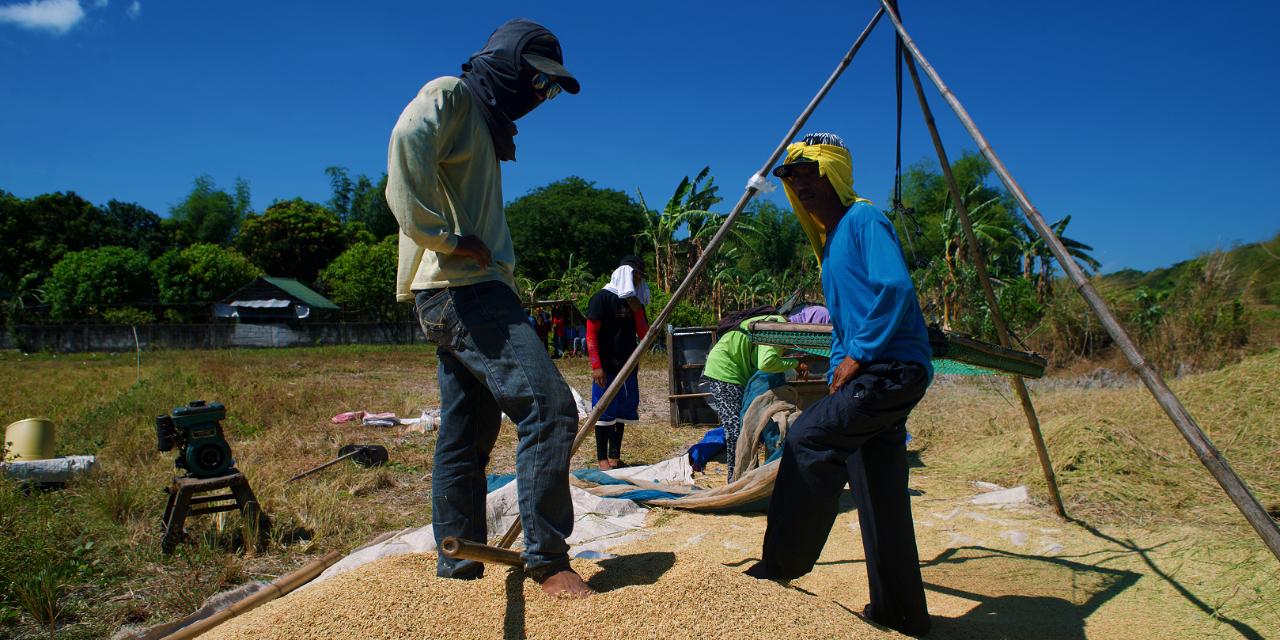
The National Food Authority (NFA) has set the buying price for palay (unhusked rice) to P30 per kilogram as it also doubled the volume that farmers can procure amid the threat of El Niño to the agriculture sector.
In a statement on Tuesday, NFA Administrator Larry Lacson said that clean and dry palay is now available at P28 to P30 per kilo.
Further, farmers can now procure 500 bags per cropping season from individual growers from the previous ceiling of 200 bags per farmer.
“Under the revised arrangement, farmers cultivating three hectares can sell volumes equivalent to three times the prevailing provincial average yield, while those tilling five hectares can potentially sell 500 bags or more if local productivity is higher,” the NFA said.
Meanwhile, the Department of Agriculture (DA) said that the higher buying price and expanded volume ceiling for clean and dry palay will help improve farmers’ incomes and national rice stocks as the country faces a prolonged drought.
“We want our farmers to earn more from their labor and have greater confidence that there is a reliable market for their harvest. Even with a strong El Niño looming, we want to encourage them to keep planting because the country will need every kilogram of rice they can produce,” said Agriculture Secretary Francisco Tiu Laurel Jr.
Moreover, the NFA said that it is targeting to procure 790,000 metric tons of palay this year as well as in 2027.
“The agency has procured 150 customized mobile procurement trucks to bring its buying operations closer to farming communities, but the units are still being fabricated. Some deliveries are expected by December or early next year,” the NFA said.
The DA also earmarked an additional P10 billion funding that the NFA can use to procure more palay if needed.
The Agriculture Dept. earlier said that the El Niño’s impact on the country’s rice supply and production is expected to be felt in the first half of 2027.
It also projected that rice production could decline by as much as 700,000 metric tons, or about 3.5% of its annual production target, if a strong El Niño develops, posing significant risks to the country's food security and farmers' livelihoods. —Vince Angelo Ferreras/RF, GMA News

