

 GMA Brandtalk
 Tracking
 Archives

BSP bares plan to develop standard loan application form for MSMEs
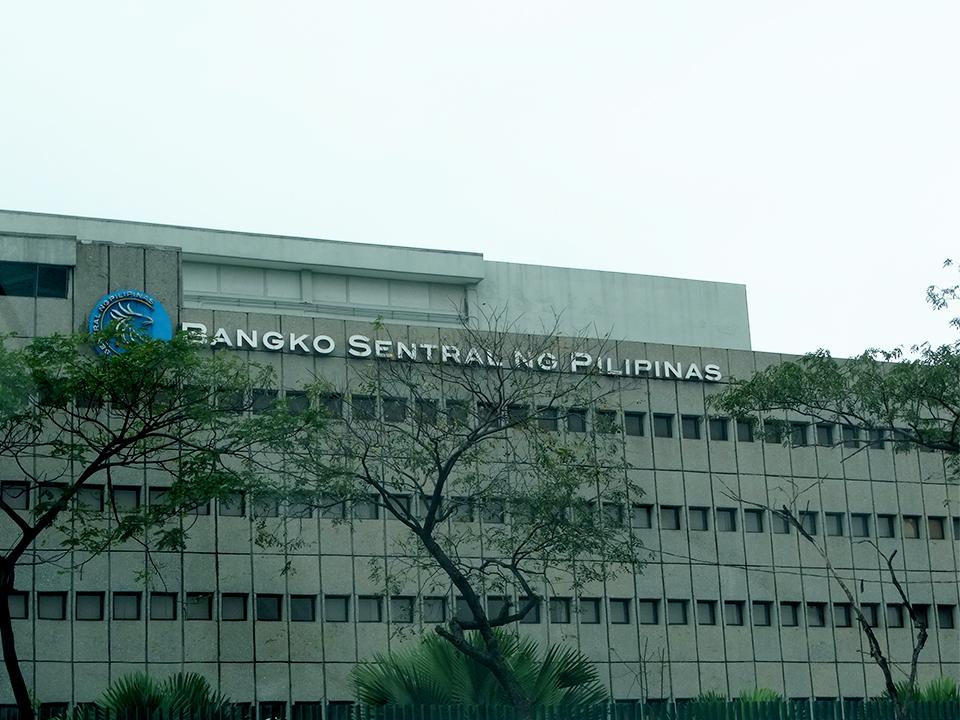
The Bangko Sentral ng Pilipinas on Friday made known its plan to develop a standard loan application form for micro, small and medium enterprises (MSMEs) next year, in a bid to boost the sector’s access to formal finance.
“MSMEs are drivers of economic growth. The sector, however, has been constrained with access to formal finance,” BSP Governor Benjamin Diokno said in a virtual press chat.
MSMEs account for 99% of business enterprises in the country. The sector also accounts for more than 60% of the Philippines' total employment.
Citing data from the World Bank, Diokno said a “significant number” of Filipino enterprises are financed internally about 81.2%, while only 10.1% are financed by banks.
Latest BSP data also showed that, as of fourth quarter of 2019, MSME loans account for only 8..8% of the total businesses loans and 6.1% of total banking system loans.
“This is a significant decline from the 12.4% and 8.3% share to total enterprise and bank loans in 2014, respectively. Year-on-year, loans to MSMEs have declined from 7.6% in 2014 to 1.9% in 2019,” the central bank chief said.
“These figures reflect the longstanding access to finance challenge confronting MSMEs,” Diokno said.
BSP's chief attributed the difficulty faced by MSMEs to obtain bank loans to the general view of lenders that the sector is “unbankable” due to limited information on their market operations and viability leading to perception of high risk and MSMEs’ unfamiliarity are getting “intimidated” by bank requirements.
“Limited understanding of the MSME market hinders banks from performing adequate credit risk assessments and customizing products and services for MSMEs,” Diokno said.
“MSMEs are less likely to get bank financing due to lack of acceptable collaterals and credit histories,” he added.
To address the challenges faced by MSMEs in accessing formal finance, the BSP “will develop a standard business loan application form to improve the application process for micro, small and medium enterprises.”
Diokno noted that the development of a standard business loan application form will enable the banking industry to meet MSMEs’ preference for borrower-friendly and simplified processes.
Also, the initiative is aimed at improving banks’ risk assessment and speeding up turnaround time for loan applications, the central bank chief said.
Apart from developing a standard loan application form, the BSP will also conduct a nationwide survey aimed at “bridging the information gap by generating new insights and more granular data on MSME financing.”
Results of the survey will support evidence-based policymaking and give support to financial service providers in tailor fitting products and services for the sector.
Moreover, the BSP will roll out a study on supply chain finance (SCF), an innovative approach whereby lenders can use MSMEs’ receivables and inventory flows to finance MSMEs, which usually encounter difficulties in acquiring formal loans under traditional financing approaches.
“The BSP recognizes that the long-standing access to finance challenge stems from a number of interlinked factors from both the demand-side or the MSMEs, and the supply-side or the banks as lenders,” Diokno said.
“These include information asymmetry, unfit MSME financing products and processes, and MSMEs’ lack of acceptable collaterals and credit histories,” he added.
According to him, the BSP is also working on ongoing initiatives like the Credit Surety Fund, Credit Risk Database and the Agriculture Value Chain Financing pilot project.
Moreover, the central bank supports the implementation of the Personal Property Security Act, the passage of the warehouse receipts bill, and the enhancement of the country’s credit information system and guarantee programs, according to Diokno.
“In 2021, the BSP will again have a busy year in terms of widening the access of small businesses to needed funding. These initiatives are seen to support economic recovery and strengthen MSMEs’ role as a growth driver in the New Economy,” he said. —LBG, GMA News

