

 GMA Brandtalk
 Tracking
 Archives

PSA: Poverty incidence in first half of 2021 at 23.7%
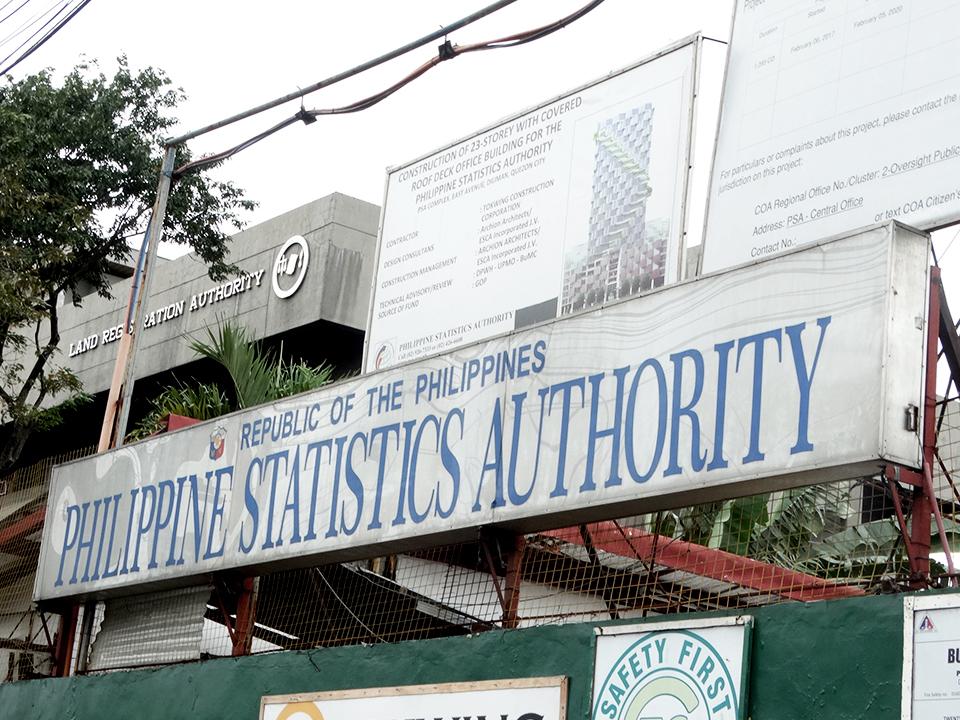
The Philippine Statistics Authority (PSA) said Friday that the poverty incidence among Filipinos increased to 23.7% in the first half of 2021, up from 21.1% in the same period in 2018.
This translates to an additional 3.9 million Filipinos living in poverty, said Socioeconomic Planning Secretary Karl Kendrick Chua.
Poverty incidence among the population is the proportion of poor Filipinos whose per capita income is not sufficient to meet their basic food and non-food needs.
According to the PSA, the percentage means that about 26.14 million Filipinos have incomes that fall below the poverty threshold in the first semester of 2021.
This is estimated at P12,082, on the average, for a family of five per month during that period.
Further, subsistence incidence among Filipinos, or the proportion of those whose income is not enough to meet even the basic food needs, was registered at 9.9% or about 10.94 million Filipinos in the first semester of 2021.
Likewise, the PSA said the monthly food threshold for a family of five for the same period was estimated at P8,393.
Poverty incidence among households was at 18% in the first semester of 2021, equivalent to around 4.74 million poor families.
The PSA noted that the subsistence incidence among families was recorded at 7.1%, which translates to around 1.87 million food poor families in the same period.
Impact of COVID-19 restrictions
"Regions with stricter quarantines tended to see larger increases in poverty compared to regions under less stringent quarantines. For instance, the poverty incidence in Regions III, IV-A, and VII increased by over four percentage points. The poverty incidence in the National Capital Region also increased by around 1.2 percentage points," Chua said.
"On the other hand, five regions with lesser quarantine restrictions recorded lower poverty. These are BARMM, and Regions VIII, IX, XI, and the Cordillera Administrative Region. BARMM saw the largest poverty reduction of 17.4 percentage points, also reflecting the progress made on the peace process."
According to Chua, the government expects a decrease in poverty rates in the future as a result of a stronger economy in the second half of 2021, further easing of restrictions, and a rise in vaccination rates.
"In 2020, people’s income and jobs were significantly affected by stringent quarantines. As we began to cope with the virus starting the fourth quarter of 2020, we gradually relaxed restrictions and managed risks better," he said.
"Our policy to safely reopen the economy has accelerated our recovery and moderated the impact of the pandemic on the poor." —LBG/VBL, GMA News

