

 GMA Brandtalk
 Tracking
 Archives

Reforms, efforts resulted in PH removal from FATF grey list — Palace
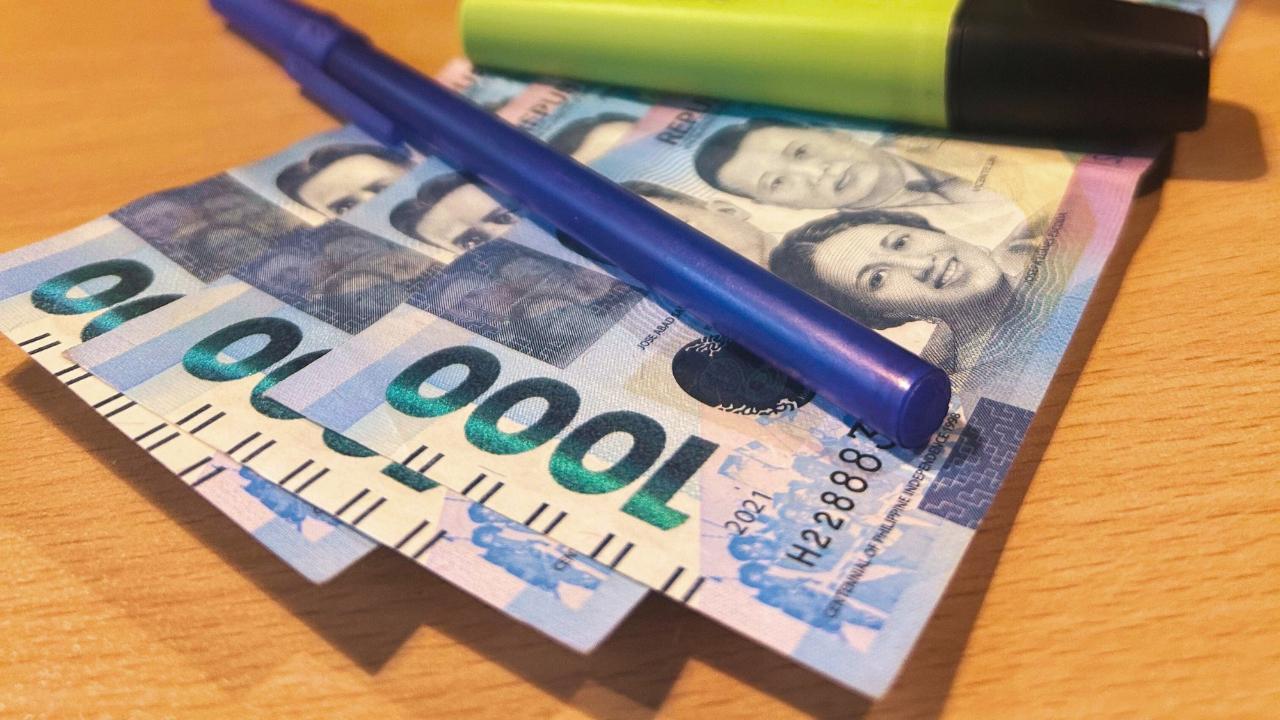
Malacañang on Saturday said the government's efforts and reforms in combating money laundering and terrorism financing resulted in the Philippines' removal from the Financial Action Task Force (FATF) grey list.
"Dahil sa pagpupursigi ng ating Pangulo ay napatanggal na po natin ang ating bansa sa Financial Action Task Force grey list," Palace Press Officer and PCO Undersecretary Clarissa Castro said.
(Our country was able to get out of the Financial Action Task Force grey list through the efforts of our President.)
"Hindi titigil ang ating Pangulo na maisaayos at mapigil ang mga gawaing may kinalaman sa money laundering at terrorist financing," she added.
(Our President will not stop until activities related to money and terrorist financing are stopped.)
According to Castro, the country's removal from the FATF grey list is a major accomplishment as it would mean smoother financial transactions, more foreign investors, and lower remittance fees for overseas Filipino workers (OFWs).
If a country is grey-listed, the Palace official said, it is under increased monitoring by the FATF due to certain deficiencies in the former's campaign against money laundering and terrorism financing, among others.
Blacklisted countries, on the other hand, are those with significant strategic shortcomings or with a severe lack of measures to fight money laundering and terrorism financing.
The FATF, an independent organization with 39 members, included the Philippines under increased monitoring or grey list in 2021 during the Duterte administration after the international anti-dirty money watchdog identified 18 deficiencies that the government must address to fight money laundering and terrorism financing.
These include deficiencies in regulatory supervision in gambling operations related to Philippine Offshore Gaming Operators (POGOs), weaknesses in the implementation of targeted financial sanctions despite obvious anomalies, and delays in implementing the Anti-Terrorism Act of 2020 despite huge intelligence confidential funds, according to the PCO.
Castro said the FATF recognized the reforms initiated by President Ferdinand "Bongbong" Marcos Jr., who issued Executive Order 33, which established the country's anti-money laundering, counter-terrorism financing, and counter-proliferation financing strategy for 2023-2027.
"Kakayanin natin lalo na ng Pangulo na linisin ang mga kalat na naiwan sa atin ng nakaraang administrasyon," Castro added.
(We, and the President especially, can clean up the mess left by the previous administration.)
The FATF's decision to remove the country in its grey list came after an onsite visit from January 20 to 22, during which the Philippines successfully demonstrated compliance with its action plan.
The Anti-Money Laundering Council (AMLC) has welcomed the Philippines' removal from the FATF grey list, noting that such an inclusion was a "burdensome process for banks and other financial institutions" and "discourages correspondent banking relationships and international financial flows into the country."
The Securities and Exchange Commission (SEC) has also said it expects an increase in foreign businesses registering with the country's corporate regulator following the FATF's decision. — VDV/KG, GMA Integrated News

