

 GMA Brandtalk
 Tracking
 Archives

Lawmaker: Privatization of electric co-ops will leave rural areas in the dark
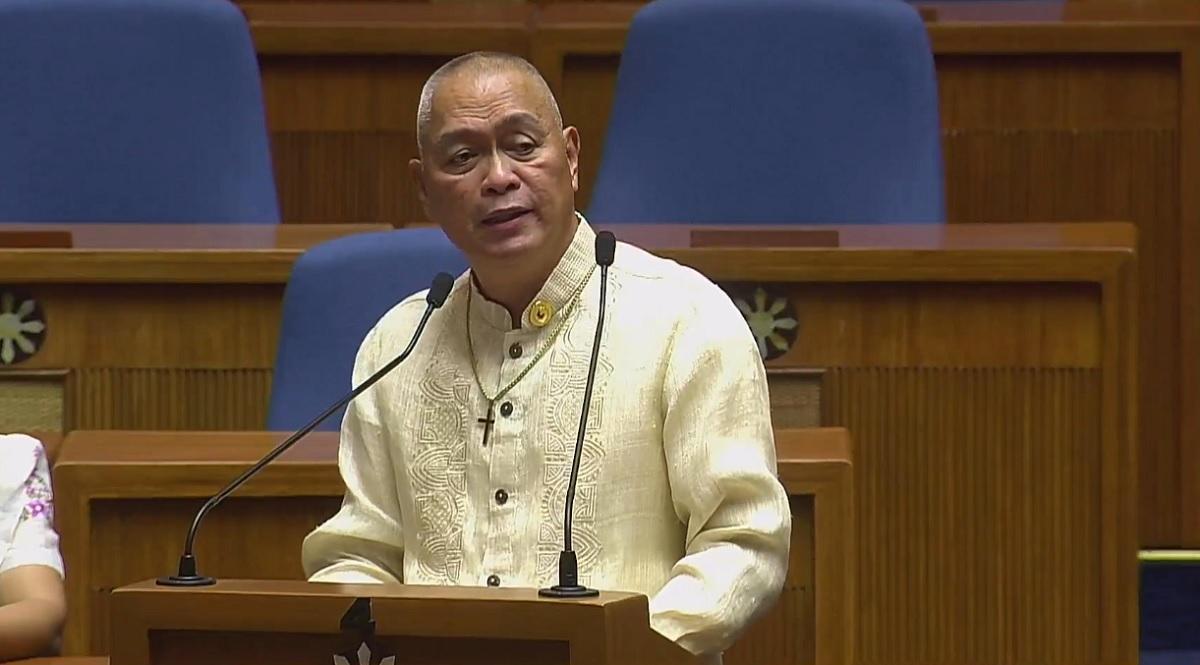
The growing privatization of electric cooperatives will reverse decades of gains in rural electrification and development and leave remote areas behind, APEC Party-List Representative Sergio Dagooc said Tuesday.
Dagooc said that electric cooperatives were established by law for rural electrification and were never designed for profit but for service, particularly for communities that private utilities historically deemed too remote or unprofitable to serve.
“To advocate for the blanket privatization of electric cooperatives is to disregard the social, historical, and developmental role they have played in our nation. While some cooperatives do face governance challenges, isolated cases cannot be the basis for discrediting the entire sector,” he said.
“It is inaccurate, even dangerous, to generalize these issues across the entire sector. To discredit the entire sector and label all cooperatives as failures is not only unjust, it is intellectually dishonest, deliberately misleading, and outright deceitful. any electric cooperatives are well-performing, financially sound, and deeply embedded in the communities they serve,” he added.
Specifically, Dagooc said private entities should not be allowed to cherry-pick profitable areas that became viable after decades of government investment and cooperative efforts, as this would result in less profitable, harder-to-reach communities without support or access to electricity.
Instead of privatization, the legislator called for targeted reforms such as stronger oversight, increased institutional support, and continued investment in the rural electrification program of the government.
“That is the heart of the matter: rural areas will be left behind. Kung ipapasa natin ang responsibilidad sa pribadong sektor, ang mga lugar na malayo, maliit ang konsumo, o mahirap pasukin ay muli na namang mapag-iiwanan,” Dagooc said.
“Electric cooperatives are expressions of democratic participation. Their boards are elected, and their decisions are made with community input. That is governance rooted in the people. Privatization strips that power away from communities,” he added. — BM, GMA Integrated News

