

 GMA Brandtalk
 Tracking
 Archives

Department of Energy fast-tracking nationwide electrification
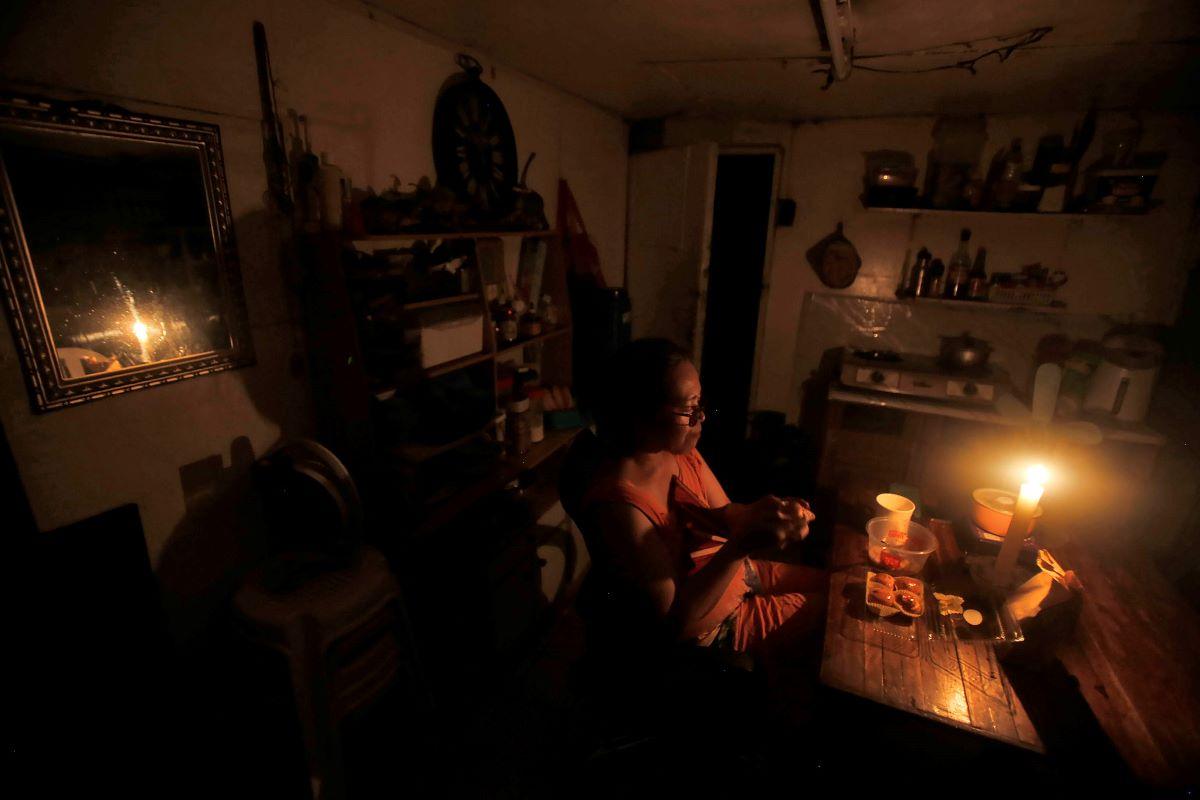
The Department of Energy (DOE) is expediting efforts to achieve President Ferdinand "Bongbong" Marcos Jr.'s goal of full nationwide electrification, especially in far-flung off-grid areas, by the end of his term in 2028.
"The President mentioned electrification, particularly in remote areas where it's costly for electric cooperatives to expand. There are three approaches: first, microgrids; second, solar-powered homes; and third, continued expansion by electric cooperatives. The government is currently looking for investors for microgrid projects," Energy Secretary Sharon Garin said at the Post-State of the Nation Address (SONA) forum in San Juan City on Wednesday.
"It's not just about electrification in remote areas—many homes near existing power lines remain unconnected due to permitting issues. There are ongoing discussions on how to reduce or waive application fees," Garin said.
The Energy chief said the DOE and the National Electrification Administration (NEA) are working with the Department of the Interior and Local Government (DILG) to reduce or waive these fees to fast-track household connections.
Data from the Energy Department showed that the national household electrification level is at 94.75%, equivalent to 27.9 million households with electricity access as of December 2024.
The DOE is estimating about 3.08 million households which are still needed to be electrified by 2028.
Last February, the DOE said the government needs to spend at least P85 billion to provide electricity to all households in the entire Philippine archipelago.
In a news release on Wednesday, the Energy Department said it will undertake a Competitive Selection Process (CSP) for Microgrid System Providers to reach geographically isolated and disadvantaged areas beyond the coverage of existing power distribution networks.
Through the initiative, approximately 12,000 households in off-grid areas, located in Quezon, Camarines Norte, Palawan, Masbate, Samar, Negros Occidental, and Zamboanga del Sur, are targeted to be energized through microgrid systems (MGS), according to the DOE.
Each MGS is equipped with self-contained power generation units and localized distribution networks. It comes with a solar panel, a battery-powered home system, and basic components that can power four LED bulbs, charge a mobile phone, and operate a built-in radio.
These microgrid systems are designed to provide reliable and sustainable electricity in areas that existing distribution utilities (DUs) and electric cooperatives (ECs) can no longer reach.
For 2025, the DOE is targeting to energize an additional 5,000 households nationwide.
For households located in remote and mountainous areas that are completely inaccessible to conventional power distribution lines, the DOE said part of the solutions is the deployment of Solar Home Systems (SHS).
For this year, NEA aims to bid out SHS to energize 100,000 households until the first quarter of 2026.
Similarly, NEA will conduct early procurement for 54,000 SHS for its target household energization in 2026, benefitting a total of 154,000 households for the next two years, according to the DOE.
Meanwhile, the Energy Department said it is also intensifying its efforts to expand access to the government's Lifeline Rate Program—key subsidy initiative that provides electricity discounts to marginalized households.
As of June 2025, around 4.5 million households have been identified by the DSWD as eligible for the Program, primarily through the Pantawid Pamilyang Pilipino Program (4Ps).
This number is expected to increase following the President's directive to expand eligibility to include households listed under the DSWD's "Listahanan" database, a key reference in identifying poor and vulnerable sectors.
Despite the high number of potential beneficiaries, only about 330,000 households, or 7.34% of the eligible 4.5 million, have registered with their respective DUs as of July 2025, the DOE said.
In response, the Energy Department said it is implementing a multi-pronged approach to bridge this gap and ensure wider access to the program. — VDV, GMA Integrated News

