

 GMA Brandtalk
 Tracking
 Archives

Civil society groups want more active role in budget process
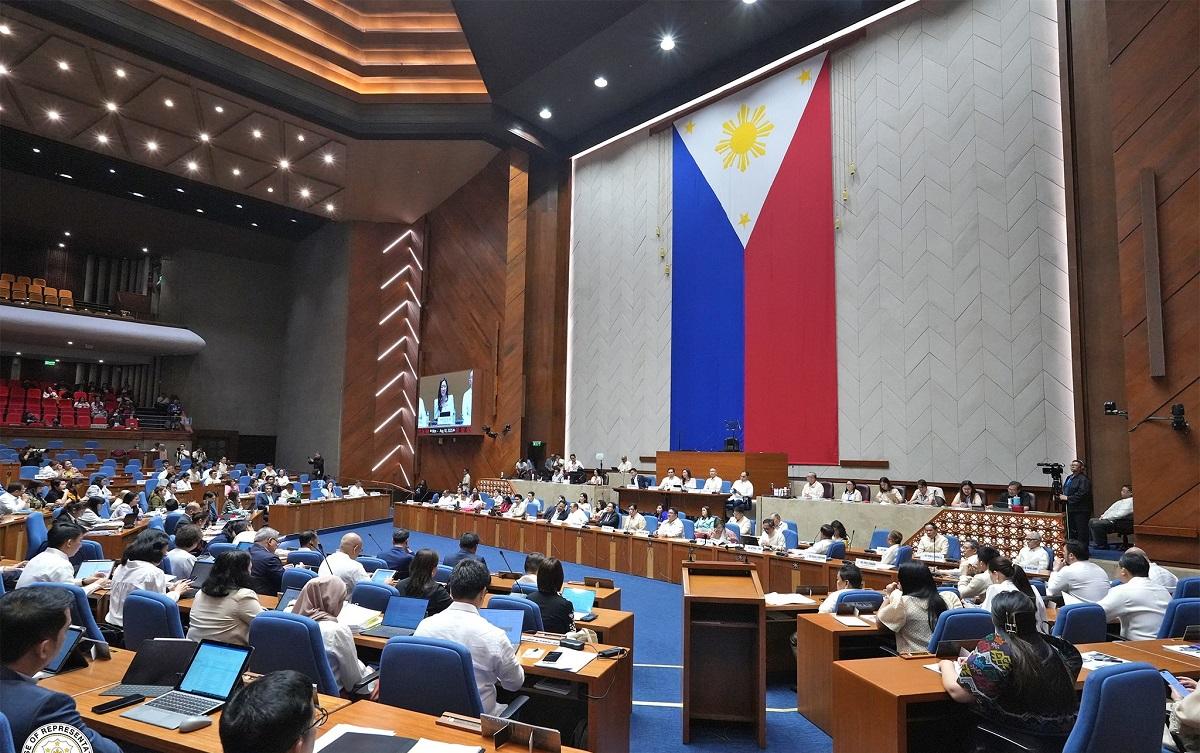
Civil society organizations (CSOs) are calling for a more active participation in the budget process.
Last month House leaders said CSOs—defined by the UN as non-profit, voluntary citizens’ groups organized on a local, national or international level, and driven by people with a common interest—would be allowed at the deliberations on the national budget, from the committee and plenary level to the bicameral conference committee, with one saying that their presence would not be "token participation."
On Tuesday, CSOs stressed this point.
"What we had po in mind was really genuine participation. Yung hindi lang po dekorasyon or hindi lang token, hindi lang observer kumbaga. Ang prinopose po talaga namin ay may role po ang civil societies na magbigay ng inputs, magbigay ng feedback doon sa budget process," People's Budget Coalition advisor Adolfo Jose Montesa said in an online interview.
(What we had in mind was really genuine participation. Not just being there as decoration or as tokens, not just as observers. What we proposed is a role for civil societies to give input and feedback on the budget process.)
"Gusto po sana namin ay posibleng maging resource persons sa mga committee hearings, posibleng mag-submit ng position papers, at makarinig ng feedback mula sa committee chairs, " Montesa added.
(We would like to be resource persons at committee hearings, possibly submit position papers, and hear feedback from the committee chairs.)
Social Watch Philippines agrees.
"Yung sinasabi namin na magiging resource person, yun po ay during the budget deliberations sa committee level," the group's senior budget specialist Alice Quitalig said
(When we say being resource persons, we mean during the budget deliberations at the committee level.)
According to a memorandum circular issued by House Secretary General Reginald Velasco, CSOs accredited to take part in the budget process are allowed to "observe budget deliberations both at the Committee and Plenary levels, access budget briefing documents/materials presented during the Committee and Plenary deliberations, submit written position papers or recommendations within specified deadlines, present consolidated sectoral positions during designated stages of the process."
'Opportunity to speak'
CSOs were acknowledged at the opening of the budget deliberations at the session hall of the House of Representatives on Monday morning.
But when the deliberations were transferred to the Romualdez Hall in the afternoon, Akbayan Party-list Representative Perci Cendaña noted their absence.
The CSOs were allowed to enter afterwards.
"Doon sa nakita natin na initial na implementation kahapon, bitin na bitin tayo in terms of genuine transparency and participation," he said in an online interview. "Ang mangyari, baka benchwarmer sila."
(From what we saw in the initial implementation yesterday, we were left wanting in terms of genuine transparency and participation. They might end up just being benchwarmers.)
Cendaña wants the current guidelines improved.
"Dapat meron silang opportunity to speak during the budget process. Kasi doon sa current guidelines, lumalabas na parang sila ay magsa-submit lamang na kanilang mga position papers at wala ngang malinaw na proseso kung paano i-consider yung mga position papers na yan," he said.
(They should be given the opportunity to speak during the budget process. In the current guidelines, it looks like they can only submit position papers and there is no clear process on how these papers will be considered.)
Asking questions
CSOs also want to be involved in the budget process at the bicameral conference committee level.
"Ang panawagan namin diyan ay open bicameral conference committee. Ibig sabihin po, kami po ay maiimbitahan sa lahat ng sessions ng bicameral conference committee," Quitalig said.
"Siyempre, kailangan meron din yang transcript ng meeting. And hopefully, kahit kami rin, gusto namin meron ding annotation ng legislators' amendment. Yun po yung transparency part," she added.
(Our request is an open bicameral conference committee. What we mean is that we are also invited to all the sessions of the bicameral conference committee. And we must have a transcript of the meeting and annotations of the legislators' amendments. That would be the transparency part.)
One workaround suggested by the CSOs is to request members of the House Committee on Appropriations to ask questions for them.
"Well, pupuwede na habang hindi pa napaplantsa nang maayos itong proseso, ang pwedeng stopgap measure natin ay mag-yield kami bilang mga members of the House ng aming time para makapagtatanong yung mga civil society organizations o kaya naman padaanin sa amin yung kanilang mga tanong. So that is workable. Pero sa dulo, ang gusto natin ay institutional reform. Kasi pagka ganyan, parang depende na naman doon sa whims ng representative kung iyi-yield ba niya o hindi, na para bang utang na loob pa nila na binigay sa kanila yung oras," Cendaña said.
(Well, while the process has still not been ironed out, a stopgap measure could be for us to yield our time so that the CSOs can ask questions, or ask the questions through us. That is workable. But in the end, wheat we want is institutional reform. Because if the CSOs have to depend on the whims of the representative on whether they would yield their time or not, it would come off as they would be owed a debt of gratitude for giving them the time.)
People's review
CSOs also want a longer period to conduct a People's Budget Review.
Appropriations Committee Chair Mika Suansing of Nueva Ecija earlier said CSOs would be given one day for this.
"We should organize, we will organize a People's Budget Review pero hindi lang dapat siya naka-encapsulate sa one day. Kasi ang daming concerns ng different sectors. Nandiyan yung health, education, environment, transportation. So baka magkulang ang isang araw. We need to allocate more time and space para discuss lahat ng issues na ito," Montesa said.
(We should organize, we will organize a People's Budget Review, but it should not be encapsulated in just one day. There are so many concerns from different sectors: health, education, environment, transportation. One day might not be enough. We need to allocate more time and space to discuss all these issues.)
"One day will not be enough. It has to be a constant presence. Yung civil society organizations have to be a constant presence in the whole budget process para tiyakin na transparent talaga ito [to ensure that this process is actually transparent]," Cendaña concurred. — BM, GMA Integrated News

