

 GMA Brandtalk
 Tracking
 Archives

SRA issues moratorium on molasses importation until end of 2025
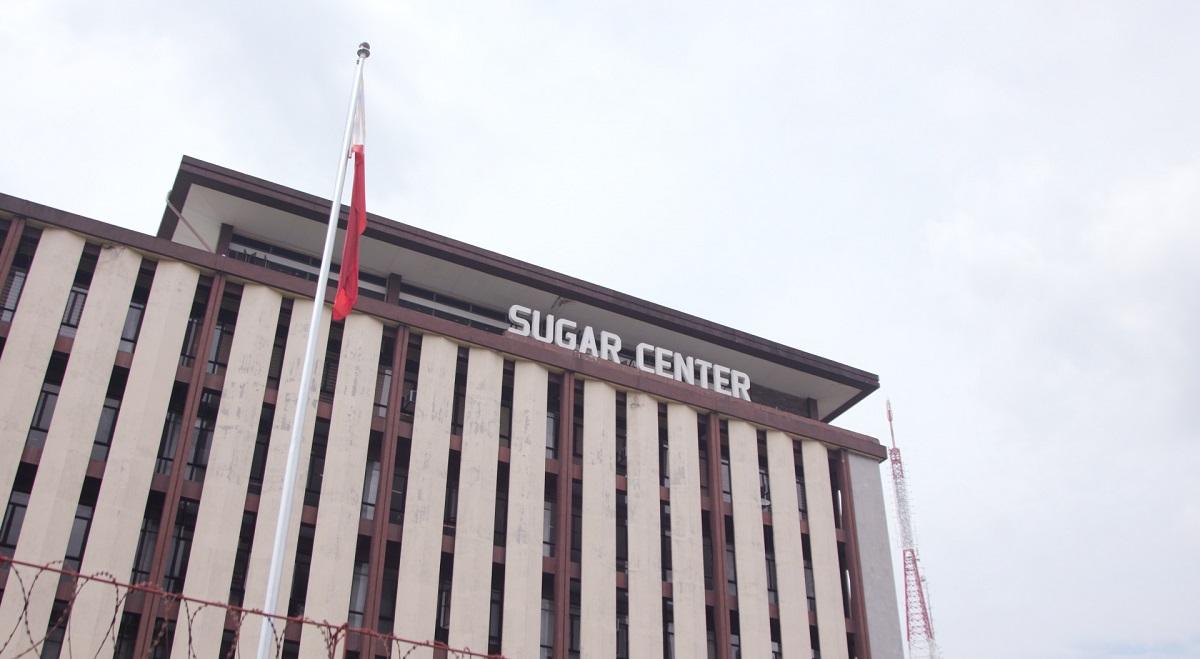
The Sugar Regulatory Administration (SRA) on Thursday announced it is imposing a moratorium on the importation of molasses until the end of the year amid an observed decrease in the prices of the locally produced sugarcane byproduct.
In a statement, the SRA said that the Sugar Board issued Molasses Order No. 1 on September 30 to suspend molasses importation pending review of certain policies that govern such to find a balance that will be beneficial to local producers and users.
In its order, the agency emphasized that molasses importation in the last crop year increased by 28% versus in previous years, totaling to 853,285 metric tons.
While the moratorium is set to expire by the end of 2025, the SRA said it can be extended or lifted depending on the stock balance.
With the order, the sugar industry regulator said it will no longer process "clearances for release of imported molasses."
However, applications filed prior to the issuance of the Molasses Order No. 1 or those for imported molasses already in transit will not be covered by the moratorium.
In issuing the moratorium, the SRA cited the increase in domestic production of about 20.5%, amounting to 1.176 million metric tons, or an increase of more than 200,000 metric tons year-on-year, which resulted in a molasses millsite stock balance of 303,961 metric tons as of the end of August.
The sugar industry regulator said the call for a moratorium on molasses importation was issued by sugar stakeholders after a “noticeable decrease” in the withdrawal of local molasses from mills, plus a decrease in the price of domestic molasses, averaging P12,000 per metric ton which is about 30% lower than in the previous crop year when the price was averaging at P18,000 per metric ton.
The bulk of domestic molasses production is used by ethanol producers, which allows oil companies to subscribe to the biofuel law that mandates a blend of locally produced ethanol in the gasoline.
SRA Administrator Pablo Luis Azcona said that the agency would take a closer look at the “discrepancy” in the volume of locally produced molasses used versus the amount of alcohol production.
“We also need to see why the local molasses purchased from the farmers still remain unwithdrawn and unused. Hence, there is no need to import,” said Azcona.
“I think it is imperative that we know where these ethanol and alcohol producers are sourcing their molasses from. For the ethanol producers, we hope that their feedstock is really local as the biofuel law states, and for the alcohol producers, that they consume the local produce first, which is actually of higher quality, prior to resorting to lower quality imported molasses,” added Azcona.
The SRA chief further said he was “surprised that for the life of the SRA, there are no concrete policies and guidelines on molasses importation and its allocation, to ensure that local farmers’ produce is consumed first, and that imports are only a non-definite stop gap measure if we have locally produced molasses shortage.” —VAL, GMA Integrated News

