

 GMA Brandtalk
 Tracking
 Archives

Lawmakers push for 'blockchaining' the national budget
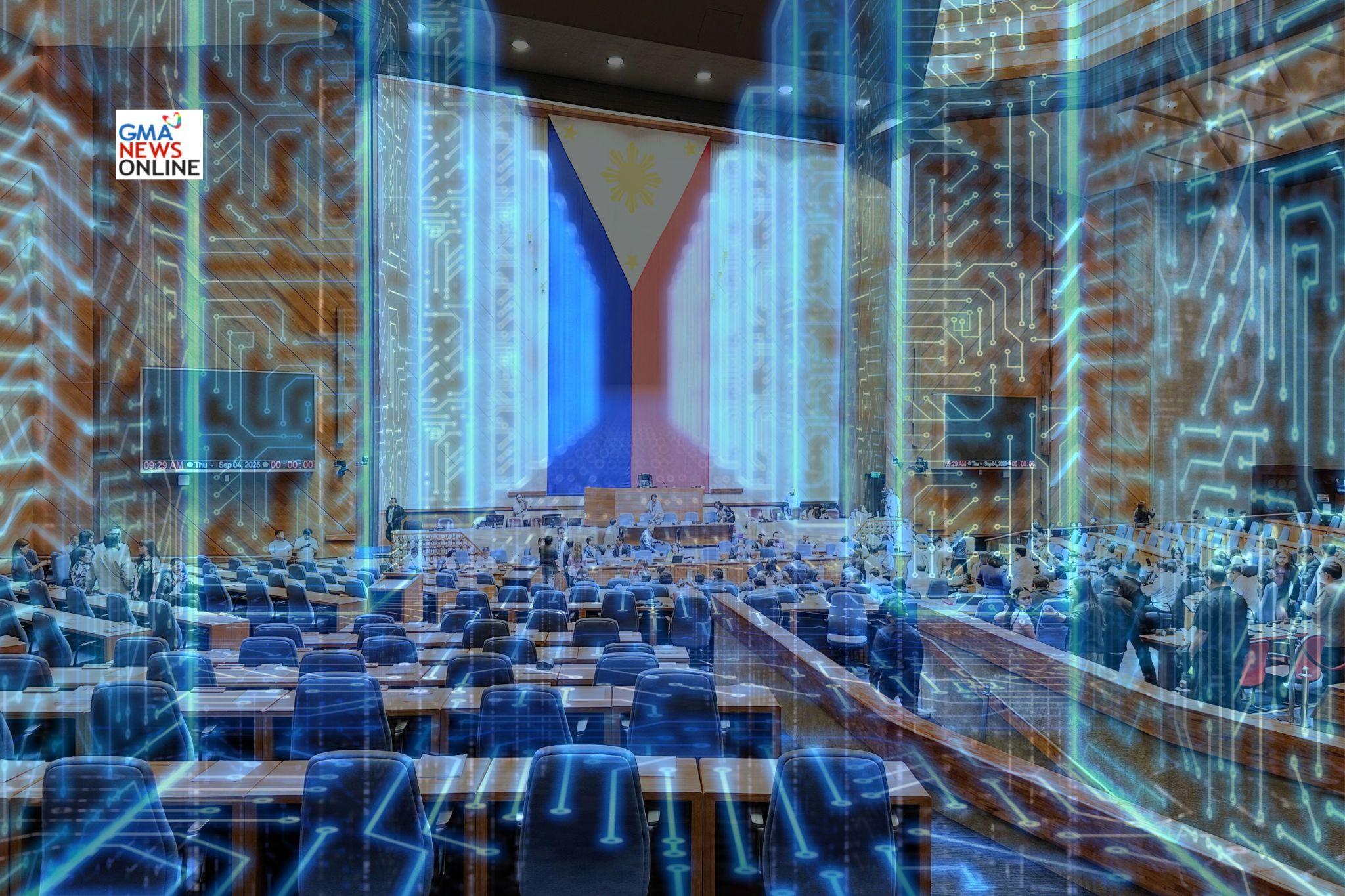
In order to modernize the national budget and promote transparency, several lawmakers are pushing to place the country's budget documents on a blockchain—a digital ledger designed to serve as a tamper-proof record of all transactions.
Last month, Senator Bam Aquino filed Senate Bill 1330 or the proposed Philippine National Budget Blockchain Act.
Negros Occidental 3rd District Representative Javi Benitez, meanwhile, filed House Bill 4380, a counterpart bill in the lower chamber, mirroring Aquino's proposed measure.
Both bills seek to modernize budget transparency and accountability through the use of blockchain technology, making it publicly available, accessible, and easy to understand as well as open for citizen engagement.
The proposed measures mandate the Department of Information and Communications Technology (DICT) to be the lead implementing agency and would be tasked to contract qualified private sector partners, technology providers, and academic institutions for the design, development, deployment, and maintenance of the blockchain system.
The Department of Budget and Management (DBM), on the other hand, would ensure the integration of the national budget process into the blockchain-based budget system including provision of timely and accurate data and coordination with the DICT and other concerned agencies.
The Commission on Audit would also integrate blockchain technology into its audit systems and processes.
Last Thursday, the Senate Committee on Science and Technology began its deliberations on Aquino's proposed measure.
"By no means this is the only solution, but many of us here believe that this can be one of the major solutions to our problems. Putting the budget on the blockchain is a way to ensure that every peso of the people's money is monitored," Aquino said during the hearing.
'Powerful tool'
Both versions of the Philippine National Budget Blockchain Act described blockchain technology as "a powerful tool" to transform the national budget and its "design guarantees accountability."
Through blockchain, all budget transactions become transparent, immutable, and auditable.
READ | Explainer: What is blockchain and how is it expected to stop corruption?
The IBM defines blockchain as an immutable or unchangeable and tamper-proof digital ledger or record of all transactions within a network.
For transparency and to discourage corruption, the Department of Public Works and Highways (DPWH) the past week partnered with the Blockchain Council of the Philippines (BCP) to develop a publicly accessible blockchain-powered digital ledger initially for foreign-assisted infrastructure projects.
The partnership involves the creation of an "Integrity Chain"—a real-time dashboard that tracks project spending and progress, enabling citizen feedback and anomaly reporting, and providing tamper-proof records to deter corruption.
As part of efforts to promote transparency in the government, the DBM also recently partnered with BayaniChain and ExakIT Services to create blockchain.dbm.gov.ph, the country's first blockchain-backed budget transparency platform.
The portal records Special Allotment Release Orders (SAROs) and Notices of Cash Allocation (NCAs) as verifiable, on-chain entries allowing the public to inspect how funds are authorized and released.
Publicly available
The World Economic Forum (WEF), in a blog entry, explained that blockchain has the potential to protect public procurement process against weaknesses such as corrupt acts both on public and private sides.
"In the planning stage, public officials create evaluation criteria by which bidding companies will be judged. In the bidding evaluation stage, public officials assign scores to companies using the evaluation criteria as their rubric," the WEF said.
"Without transparency, there are many opportunities for compromised public officials to rig the outcome of the evaluation process. Evaluation criteria could be retroactively changed or company bids altered, for example," it added.
"Blockchain can guarantee any change is public, the original information is retained and there is a record of who made the change," according to WEF.
Garbage in...
Scam Watch Pilipinas co-founder Art Samaniego, an IT expert and technology journalist, however, warned that while blockchain is indeed tamper-proof it is "blind to truth… it preserves what's entered, but cannot verify whether it's honest."
"If a padded project, ghost spending, or false invoice is uploaded, the system immortalizes the lie. Garbage in, permanent record out," he said.
The IT expert also raised the issue of validators who "in theory… are the ones who check records before adding them to the chain."
"But who are they? Which agency? Which company? The real power in a blockchain system rests with whoever controls the validators. If a single agency or private provider controls who becomes a validator, decentralization collapses," Samaniego said.
"Blockchain is not a silver bullet. Let's be clear. Blockchain can make cover-ups harder. It can create audit trails. It can make it obvious when someone tries to alter records. But it cannot detect collusion," the Scam Watch Pilipinas co-founder said. — VDV, GMA Integrated News

