

 GMA Brandtalk
 Tracking
 Archives

Marcos officially extends rice import ban until end 2025
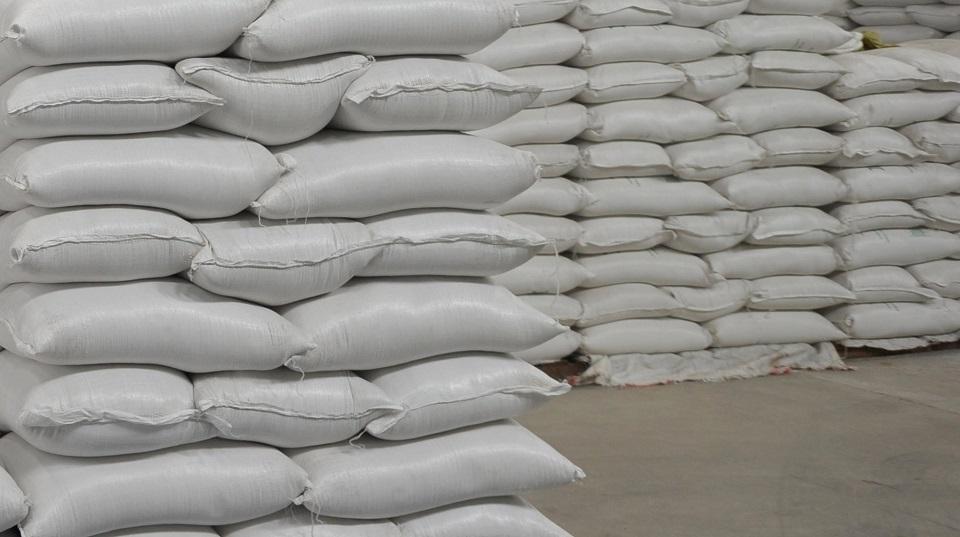
President Ferdinand “Bongbong” Marcos Jr. has officially ordered the extension of the rice import ban until the end of the year, in a bid to sustain market stability and assist local farmers from the downward price pressures from imported rice.
Executive Order 102 said the import ban on regular milled and well-milled rice will remain in effect until December 31, 2025.
The ban was first ordered by Marcos in August, and was initially set to last only until October 30, 2025.
EO 102 does not cover specialty rice varieties not commonly produced by local farmers.
It tasked the Departments of Agriculture (DA), Trade and Industry (DTI), and Economy, Planning, and Development (DepDev) to convene within 30 days to evaluate the effects of the suspension.
They will also submit a joint recommendation to the President through the Executive Secretary on whether to extend or shorten the suspension period for rice importation.
Data available from the Philippine Statistics Authority (PSA) show that the average farmgate prices of palay stood at P17.11 per kilogram as of August 2025, and have reportedly declined to as low as P8 per kilo.
Commercial rice in Metro Manila markets, meanwhile, range from P39.50 to P57.76 per kilogram for imported, and from P37.10 to P57.09 per kilogram for local.
In September, Agriculture Secretary Francisco Tiu Laurel Jr. said there will be an executive order that will ban local government units and other government offices from buying imported rice to help rice farmers, and a separate EO for the emergency procurement of palay, and for the additional lease of warehouses for the storage of palay stocks.
In October, Marcos issued EO 101 that ordered all national and local government agencies to fully implement Republic Act 11321 or the Sagip Saka Act, or Republic Act 11321.
It mandated all government entities are also required to purchase agricultural and fishery products directly from accredited farmers’ and fisherfolk cooperatives and enterprises (FFCEs) to ensure fair market opportunities for small-scale producers while reducing bureaucratic barriers. — JMA, GMA Integrated News

