

 GMA Brandtalk
 Tracking
 Archives

How Filipinos are affected by the peso-dollar exchange rate
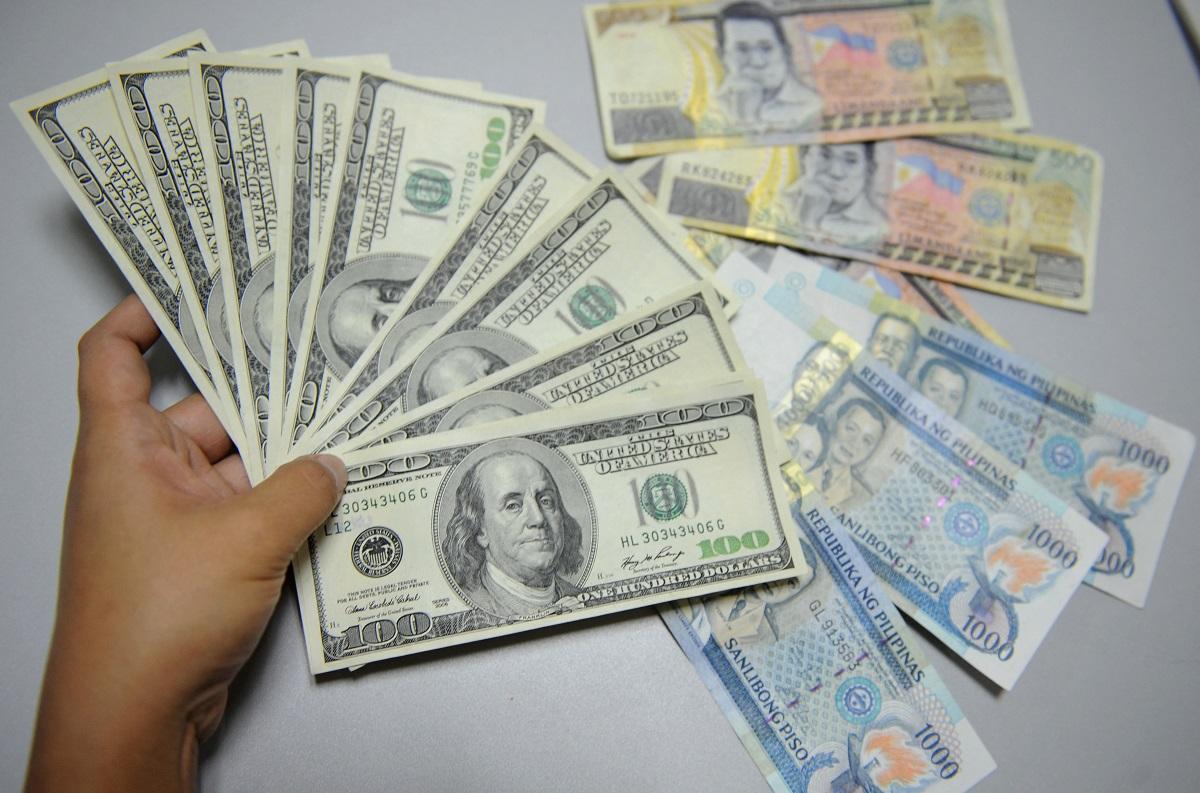
The peso’s movement against the US dollar is quite a complex narrative, and not just a simple strong-versus-weak story. Economists say the impact of the currency shifts depends on which side of the economy one stands.
The exchange rate has encompassing effects – from the cost of fuel and food, to the value of remittances, and even employment opportunities in companies in the export industry.
Understanding the gains and losses from the movement offers a clearer picture of how the smallest movement impacts the broader economy.
The rate reflects the impact of international and domestic factors. Locally, the peso is affected by inflation trends, trade deficits, remittance inflows, and policies of the Bangko Sentral ng Pilipinas (BSP).
Overseas, the dollar is influenced by the decisions of the Federal Reserve, global oil prices, and investor sentiment, which in turn play a key role in determining the peso’s direction.
Is a weaker peso positive?
A weaker peso is not always bad news, as it gives gains to several industries that bring in foreign currency and support the country’s economic growth.
Among them are overseas Filipino workers (OFWs) and their families, who receive more as every dollar sent home translates to more pesos, driving household spending and fueling domestic consumption, a key driver of the growth.
It is also beneficial for freelancers, export-oriented firms, and business process outsourcing (BPO) firms, who are mostly paid in dollars.
“It is net positive. Contrary to popular belief, the depreciation of the currency actually is positive for the Philippines because of one, you have around 70 million people who benefit from it,” University of Asia and the Pacific economist Victor Abola said.
“For every peso, the OFWs, your exporters, even your BPOs, are encouraged to increase salaries,” he added.
Department of Economy, Planning, and Development (DepDev) Secretary Arsenio Balisacan previously remarked in 2014 that when the peso falls, domestic industries become more competitive and local products become more attractive in terms of pricing.
The weak peso and inflation
The downside of a weak peso is most visible in rising prices of imported goods and services, as materials sourced overseas will cost more, and could possibly push inflation higher.
“The weaker peso exchange rate would contribute to higher overall inflation and would fundamentally erode the purchasing power of the peso relative to the US dollar as there would be more pesos needed to pay the same amount in US dollar, clearly showing the outright deterioration of the peso’s purchasing power,” Rizal Commercial Banking Corp. chief economist Michael Ricafort said.
A weaker peso also erodes its purchasing power from the point of view of local residents, since more pesos are needed to pay for the same local product due to inflation.
His sentiments were echoed by economist Emmanuel Leyco, who warned that while families of OFWs benefit from a weaker peso, this may only be temporary as such gains could be wiped out by higher consumer prices.
“It may also accelerate inflation since it may also cause imported petroleum and food prices to increase,” he said.
Strong peso: Gains for consumers and importers
A firmer peso, meanwhile, gives relief as imports are cheaper, lowering costs and easing the overall inflation passed on to the general public. This is because businesses that rely on raw materials sourced overseas will have to pay less.
“A strong peso benefits the consumers because most products in the Philippines are imported, they are relatively cheaper,” economist John Paolo Rivera said while he was still with the Asian Institute of Management (AIM).
“A stronger currency may translate to less imported inflation, a development that would benefit all Filipino consumers,” Nicholas Antonio Mapa said when he was still senior economist at the ING Bank Manila.
Strong peso drawbacks: Exporters and OFWs lose
For families of OFWs, the impact of a strong peso against the dollar is immediate, as the dollars sent home converts to fewer pesos, as pointed out by economists.
“On the flip side, however, a stronger currency would make our exports less attractive relative to competing peers,” Mapa said.
A stronger peso would be beneficial “in terms of lower importation costs/prices and overall inflation passed on to the general public,” RCBC’s Ricafort said.
Overall, economists agree that neither a persistently weak nor an overly strong peso is ideal, and what matters more is a stable and competitive exchange rate that ensures continued growth while tempering inflation.
“The Bangko Sentral ng Pilipinas allows the exchange rate to be determined by market forces,” the BSP said earlier.
“We continue to maintain robust reserves. When we do participate in the market, it is largely to dampen inflationary swings in the exchange rate over time rather than prevent day-to-day volatility,” it added. — JMA, GMA Integrated News

